
-
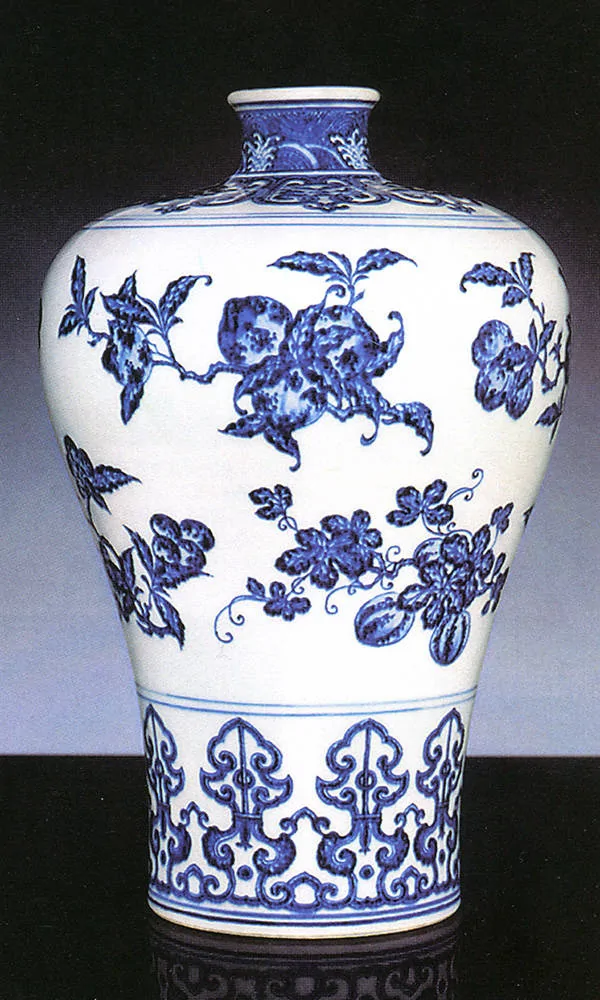
Archaistic Porcelain Prices: From Palace Originals to Republican Copies
View Details: Archaistic Porcelain Prices: From Palace Originals to Republican Copies Read Article: Archaistic Porcelain Prices: From Palace Originals to Republican CopiesThe same design can belong to three different price worlds at once. A Yongle blue-and-white meiping sold in Hong Kong for HK$138 million; a Qianlong reviving…
-
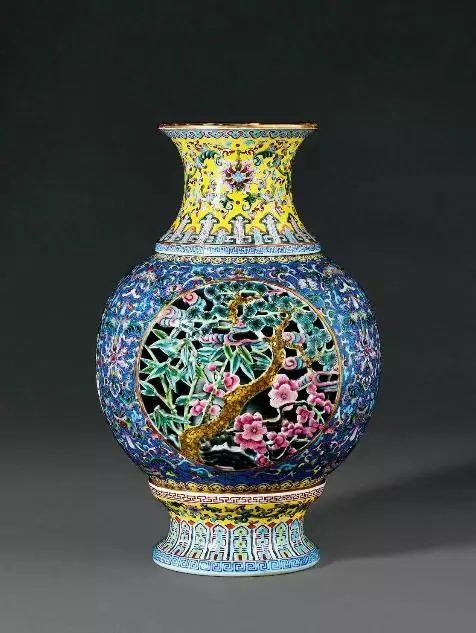
Decades-Old Archaistic Porcelain: Why Prices Keep Doubling
View Details: Decades-Old Archaistic Porcelain: Why Prices Keep Doubling Read Article: Decades-Old Archaistic Porcelain: Why Prices Keep DoublingSome of the most talked-about pieces in Chinese porcelain collecting were never antiques when they left Jingdezhen. They were honest copies made in the 1960s to…
-
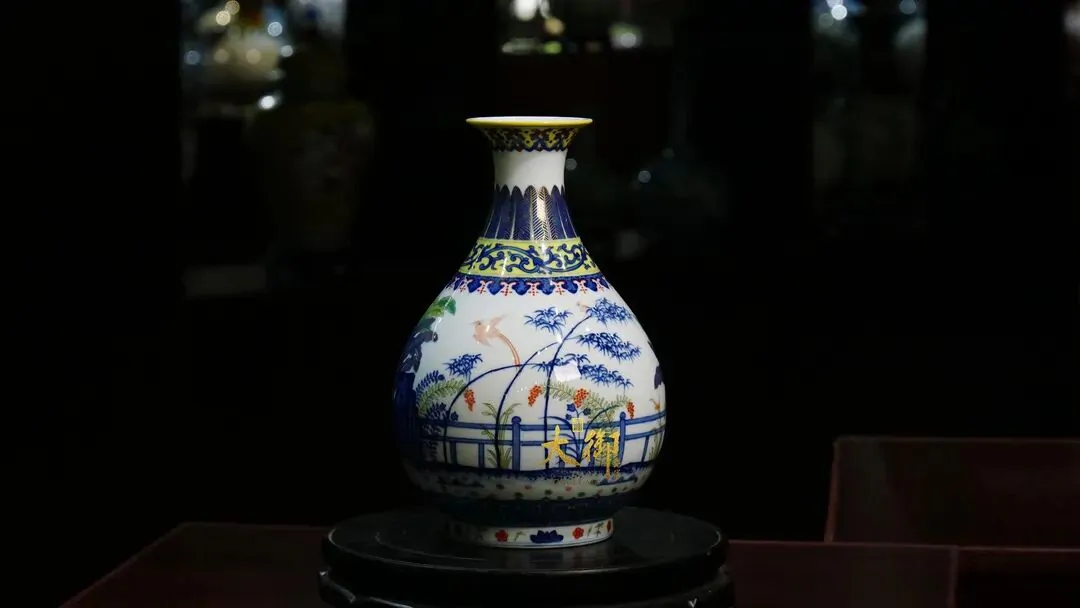
Fake, Copy or Original? How Archaistic Porcelain Earns Its Price
View Details: Fake, Copy or Original? How Archaistic Porcelain Earns Its Price Read Article: Fake, Copy or Original? How Archaistic Porcelain Earns Its PriceWalk through a serious Chinese porcelain showroom today and you will find newly made vases priced like antiques. They are not forgeries, and the sellers say…
-
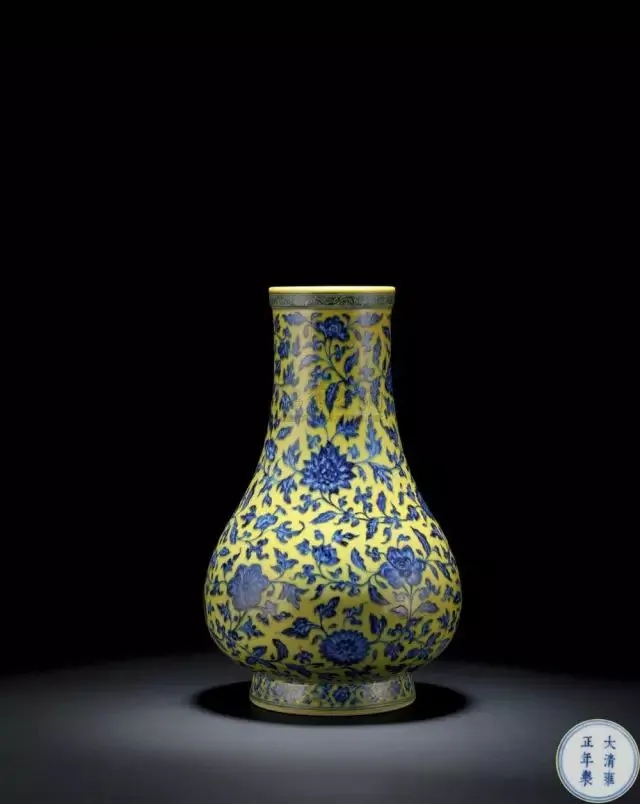
Yongzheng Archaistic Porcelain at Auction: 13 Records from RMB 9.4m Upwards
View Details: Yongzheng Archaistic Porcelain at Auction: 13 Records from RMB 9.4m Upwards Read Article: Yongzheng Archaistic Porcelain at Auction: 13 Records from RMB 9.4m UpwardsUnder the Yongzheng Emperor, the imperial kilns rebuilt the glories of the Song dynasty with such skill that the copies became classics themselves. Thirteen of these…
-
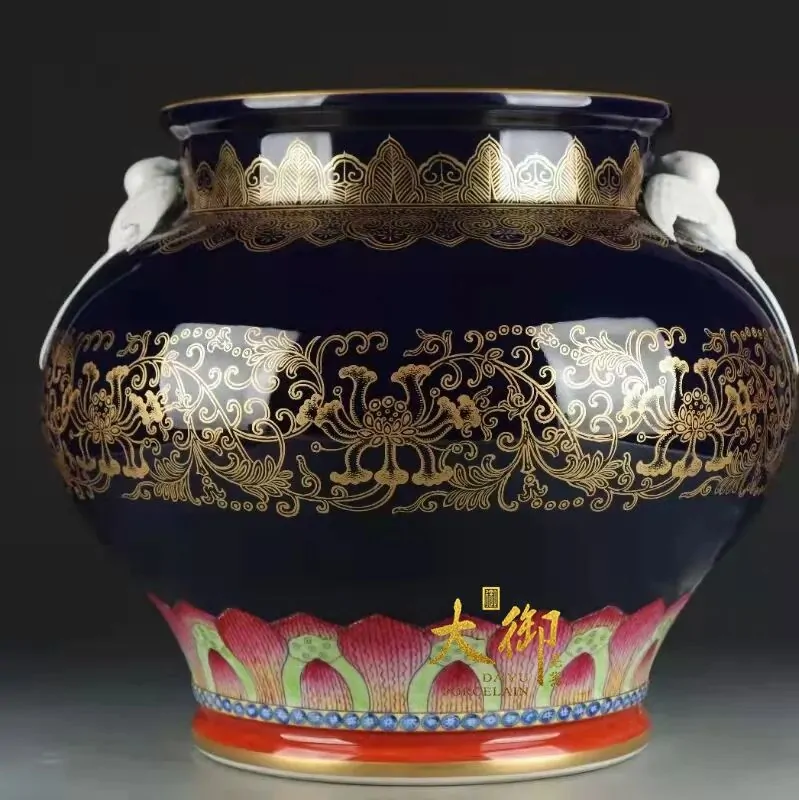
Archaistic Porcelain Worth Collecting: How to Judge It Before You Buy
View Details: Archaistic Porcelain Worth Collecting: How to Judge It Before You Buy Read Article: Archaistic Porcelain Worth Collecting: How to Judge It Before You BuyArchaistic porcelain has been argued over for as long as it has existed. It is not a fake u2014 but not everything sold under its name…
-
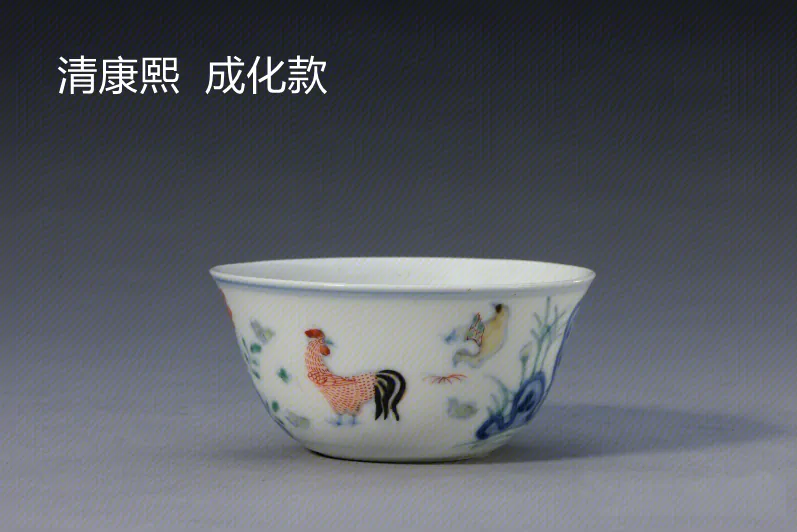
Archaistic Porcelain Collection Value: Why Old Copies Become Treasures
View Details: Archaistic Porcelain Collection Value: Why Old Copies Become Treasures Read Article: Archaistic Porcelain Collection Value: Why Old Copies Become TreasuresSome of the most sought-after Chinese ceramics in the world are copies. Ming potters reinterpreting Song kilns and Qing potters reviving Chenghua enamels produced works that…
-
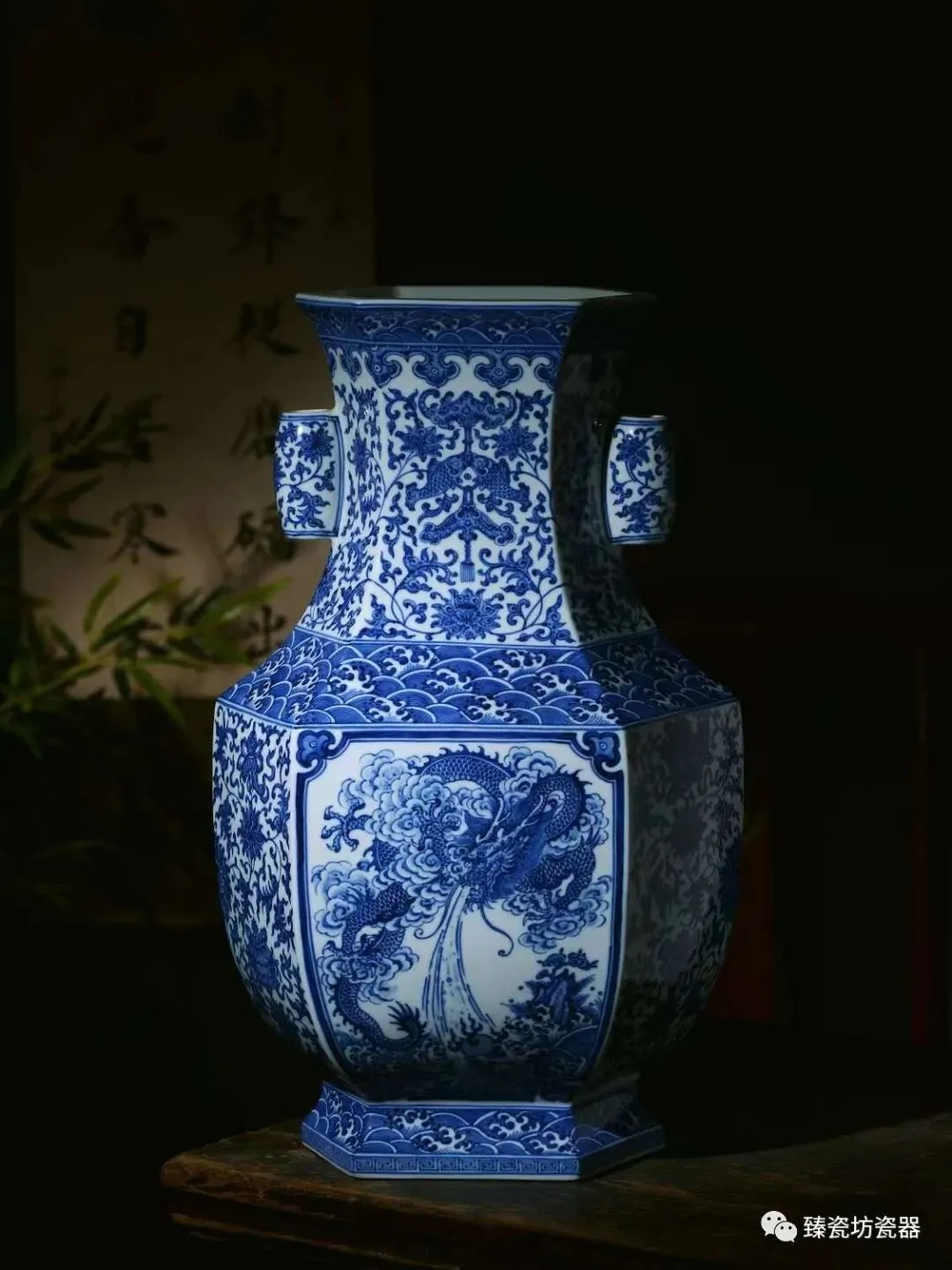
Why Archaistic Porcelain Exists: Four Forces Behind China’s Ceramic Revivals
View Details: Why Archaistic Porcelain Exists: Four Forces Behind China’s Ceramic Revivals Read Article: Why Archaistic Porcelain Exists: Four Forces Behind China’s Ceramic RevivalsArchaistic porcelain u2014 new ware made in the style of earlier dynasties u2014 was never a footnote to Chinese ceramic history. Four distinct forces kept it…
-
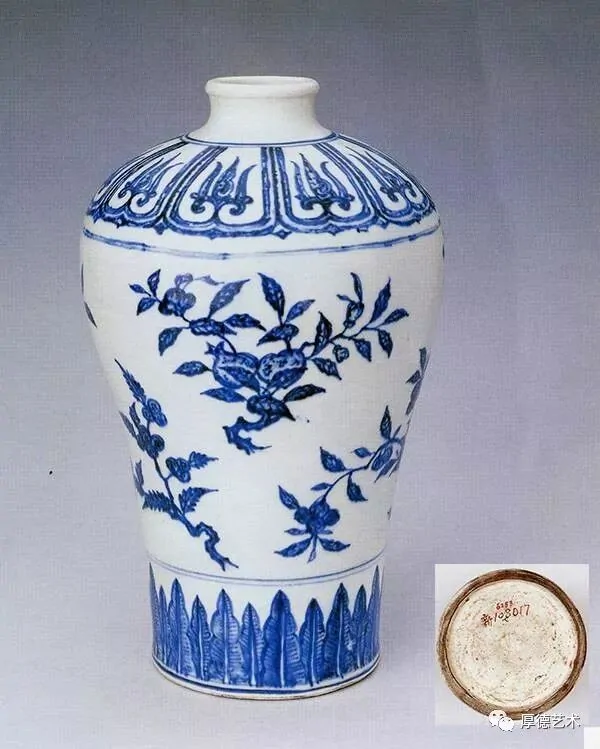
The Four Golden Ages of Archaistic Porcelain: Imperial Kilns and the Private Market
View Details: The Four Golden Ages of Archaistic Porcelain: Imperial Kilns and the Private Market Read Article: The Four Golden Ages of Archaistic Porcelain: Imperial Kilns and the Private MarketArchaistic porcelain u2014 Chinese porcelain made in deliberate imitation of earlier famous wares u2014 is usually discussed in terms of price. Its history answers a more…
-
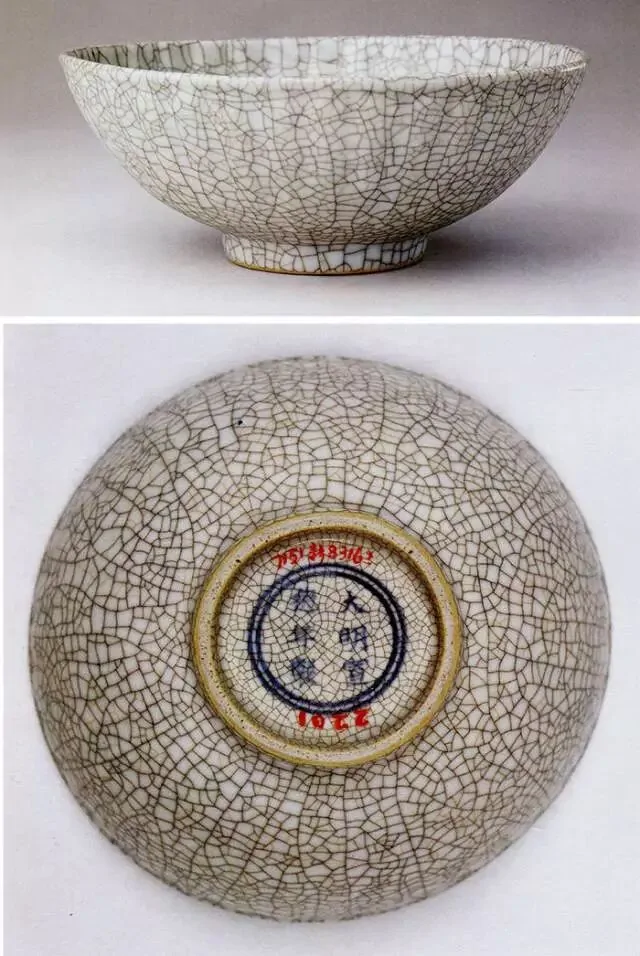
How Old Is Archaistic Porcelain — and What Is It Worth?
View Details: How Old Is Archaistic Porcelain — and What Is It Worth? Read Article: How Old Is Archaistic Porcelain — and What Is It Worth?Archaistic porcelain began at the Yongle imperial kiln 600 years ago. Palace Museum original-versus-copy pairs and eight auction records tell the story.
-
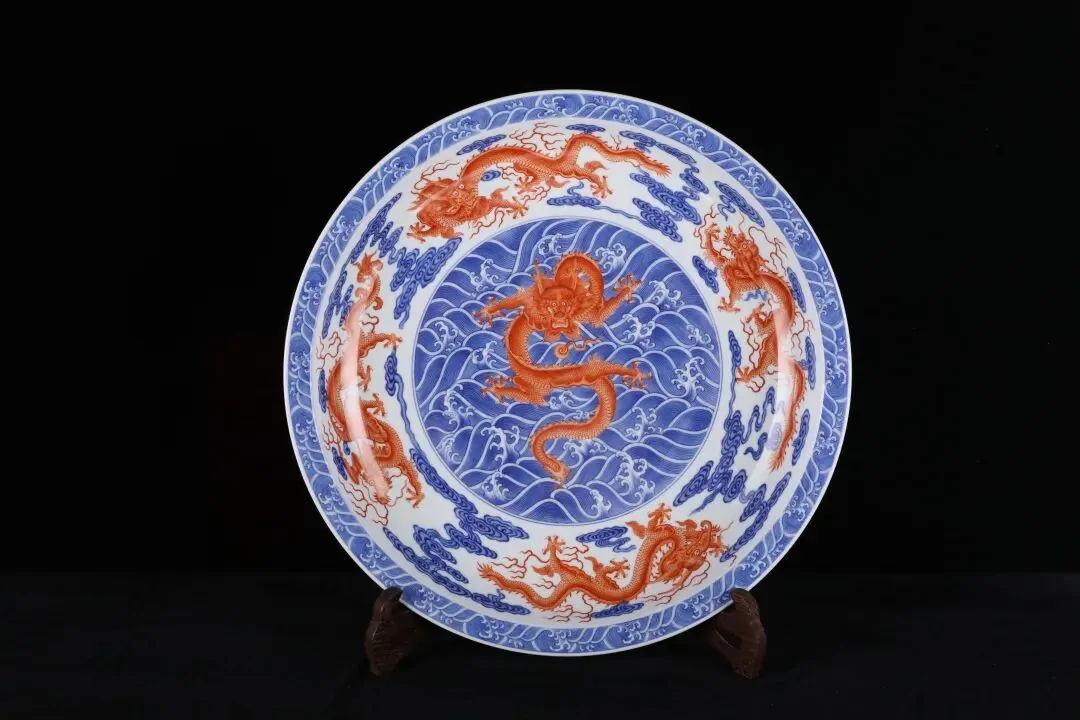
Is Archaistic Porcelain Fake? It Is Harder Than Innovation
View Details: Is Archaistic Porcelain Fake? It Is Harder Than Innovation Read Article: Is Archaistic Porcelain Fake? It Is Harder Than InnovationImitation demands more skill than innovation: form, glaze, decoration, marks and spirit must all match. Three archaistic pieces have sold for over 100 million yuan.