Porcelain Forms & Dynasties
Guide to classic Jingdezhen porcelain forms and the dynasties that shaped them.

Guide to classic Jingdezhen porcelain forms and the dynasties that shaped them.
Ming and Qing porcelain are usually treated as one subject. In an auction sale a fifteenth-century blue-and-white jar and a Qianlong vase sit a few lots…
Chinese vase shapes are a vocabulary, not a decoration. A meiping, a yuhuchun and a tianqiu are told apart by silhouette alone u2014 where the shoulder…
Cizhou ware is the great painted folk ceramic of northern China: a grey, iron-bearing body covered with white slip, decorated in iron-brown or black, and fired…
Song ceramics (960u20131279) are the reference point against which Chinese pottery is usually judged. Not because they are the oldest or the most technically ambitious, but…
The mu00e9ipu00edng (u6885u74f6) is the most recognisable silhouette in Chinese porcelain and the easiest to misjudge. It is a tall jar with a small mouth, a…
In the Palace Museum in Beijing stands a single vase that is routinely called the “Porcelain King” (中华瓷王, Zhōnghuá Cíwáng). Its formal name is the Qianlong…
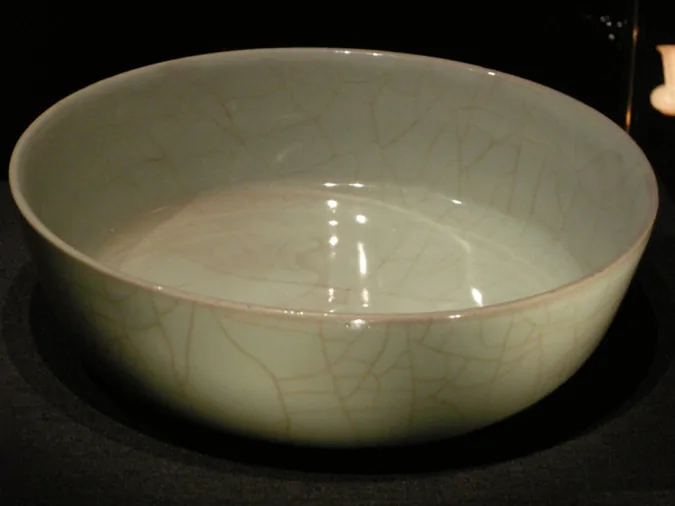
Official kiln porcelain — guan ware — spans a thousand years of Chinese ceramic history, from the austere Five Famous Wares of the Song dynasty to…
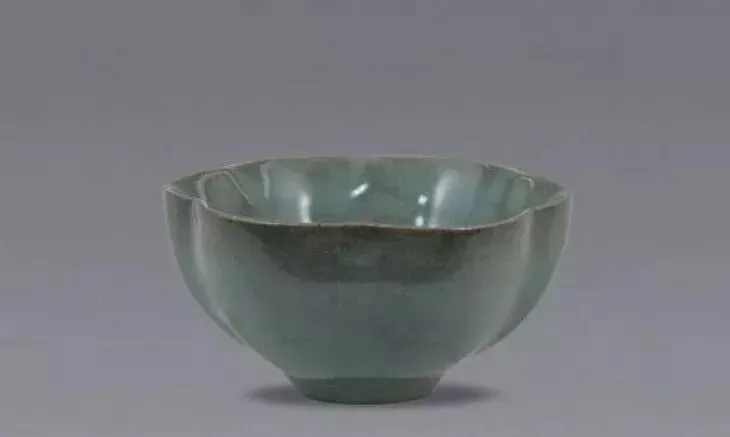
A single word separates “official kiln” from “private kiln” in Chinese porcelain terminology, but the difference in production, decoration and market value is often a factor…
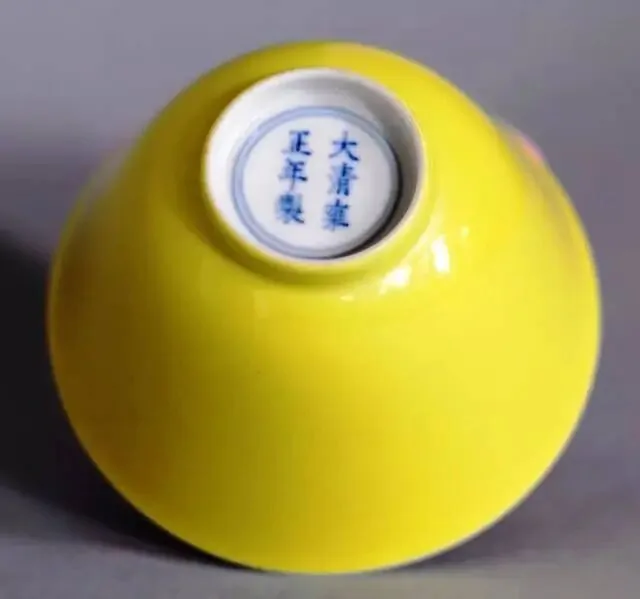
When buyers hear “guan” — official kiln — they usually read it as a promise of quality. In imperial China it meant something more precise: a…
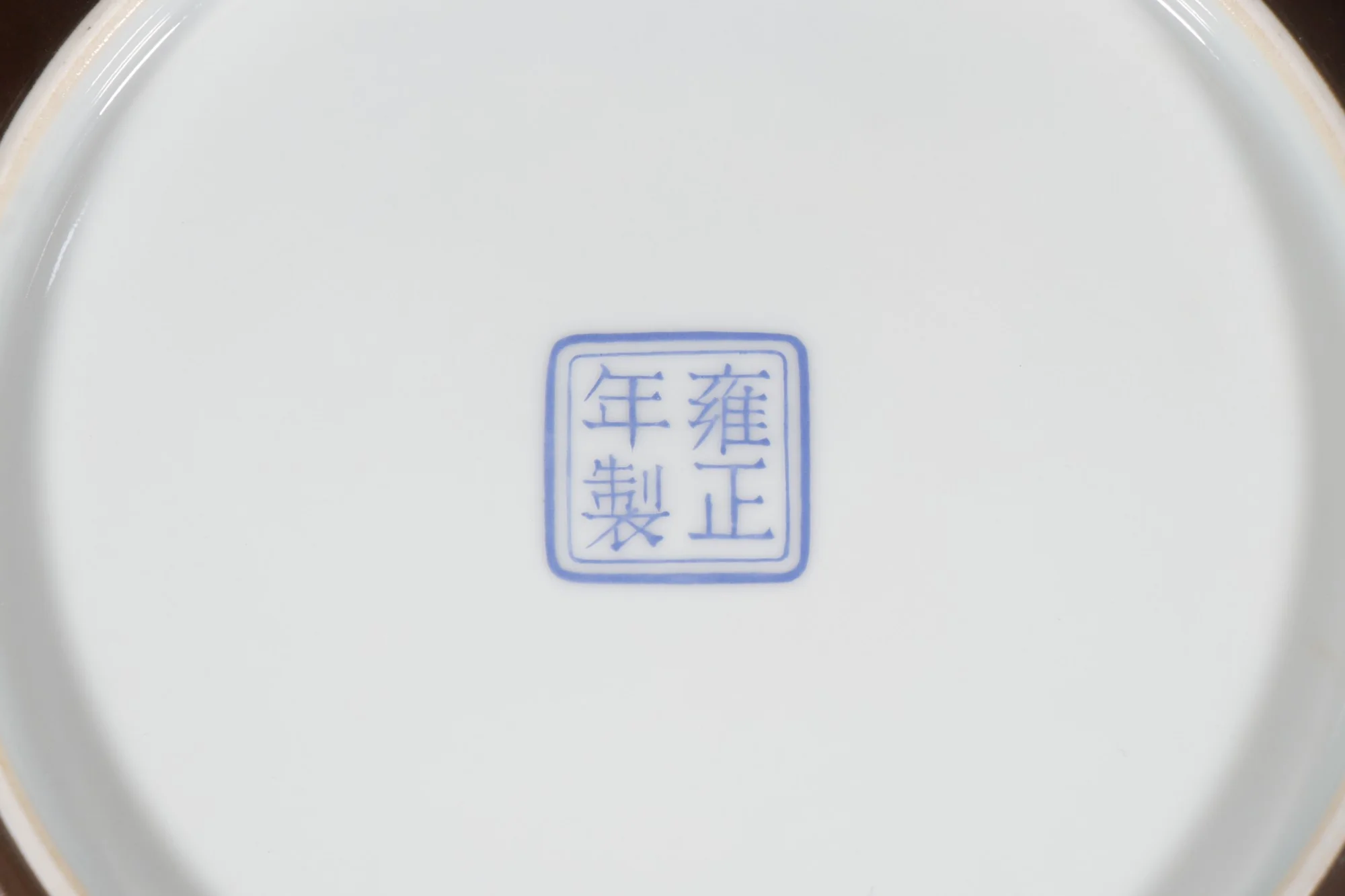
A Yongzheng mark alone cannot date porcelain. Learn the difference between a reign mark, mark and period, historical style and documented modern production.