
When buyers hear “guan” — official kiln — they usually read it as a promise of quality. In imperial China it meant something more precise: a system that decided who supervised production, who inspected the result, and — above all — who was allowed to use it. This article maps that system, from the Song court’s ritual vessels to the 632-year imperial kiln institution at Jingdezhen.
What does “official kiln” actually mean?
At its simplest, guan ware meant porcelain made for the state: tribute pieces sent to court, or wares produced in government-run factories for official use, supervised and purchased by government offices. The historical term covers two arrangements. In the narrow sense, the court monopolised production entirely — dedicated kilns, dedicated firing, no private access. In the broader sense, the court set the standard but did not limit which kiln fired the wares: private kilns could produce to specification, officials inspected every batch, and qualified pieces were purchased collectively — those, too, counted as official porcelain. If the court or its officers controlled the process, the product was guan.
A third meaning has appeared in our own time: kilns that fire to the old official standards — strict production systems, selected glaze materials, fine preparation, standardised procedures, and hand work at every stage, with no allowance for error at any point. That modern revival market is examined in why fine modern revivals stay undervalued.
How did guan ware begin? Tang and Song origins
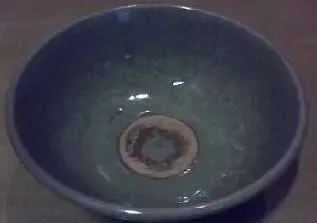
Official kilns first appeared under the Tang, though only in embryo. Their true establishment came in the Northern Song, whose guan production divided into two families: ritual vessels, and objects for the scholar’s studio. The ritual wares followed the antiquarian programme of Emperor Huizong — pieces modelled on ancient bronzes, because the court wanted ceremony in the correct ancient forms. That reverence for old shapes belongs to the longer story told in the four golden ages of archaistic porcelain.
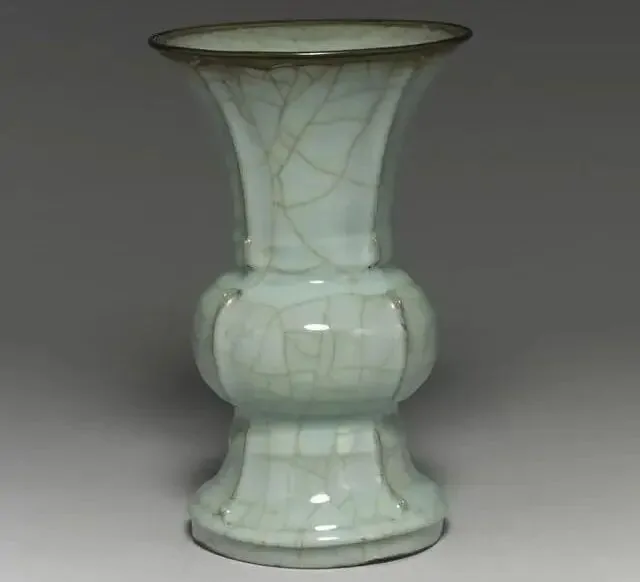
The Southern Song continued the Northern style with the same austerity, and period records describe exactly what collectors still look for: a bright, translucent glaze, crackle like ice flakes, and the famous “purple mouth, iron foot” where the thin glaze exposes the iron-rich body. Wares of this class stand alongside Ru, Ge, Jun and Ding porcelains as the Five Great Famous Wares of China.
Imperial wares versus official wares: the hierarchy
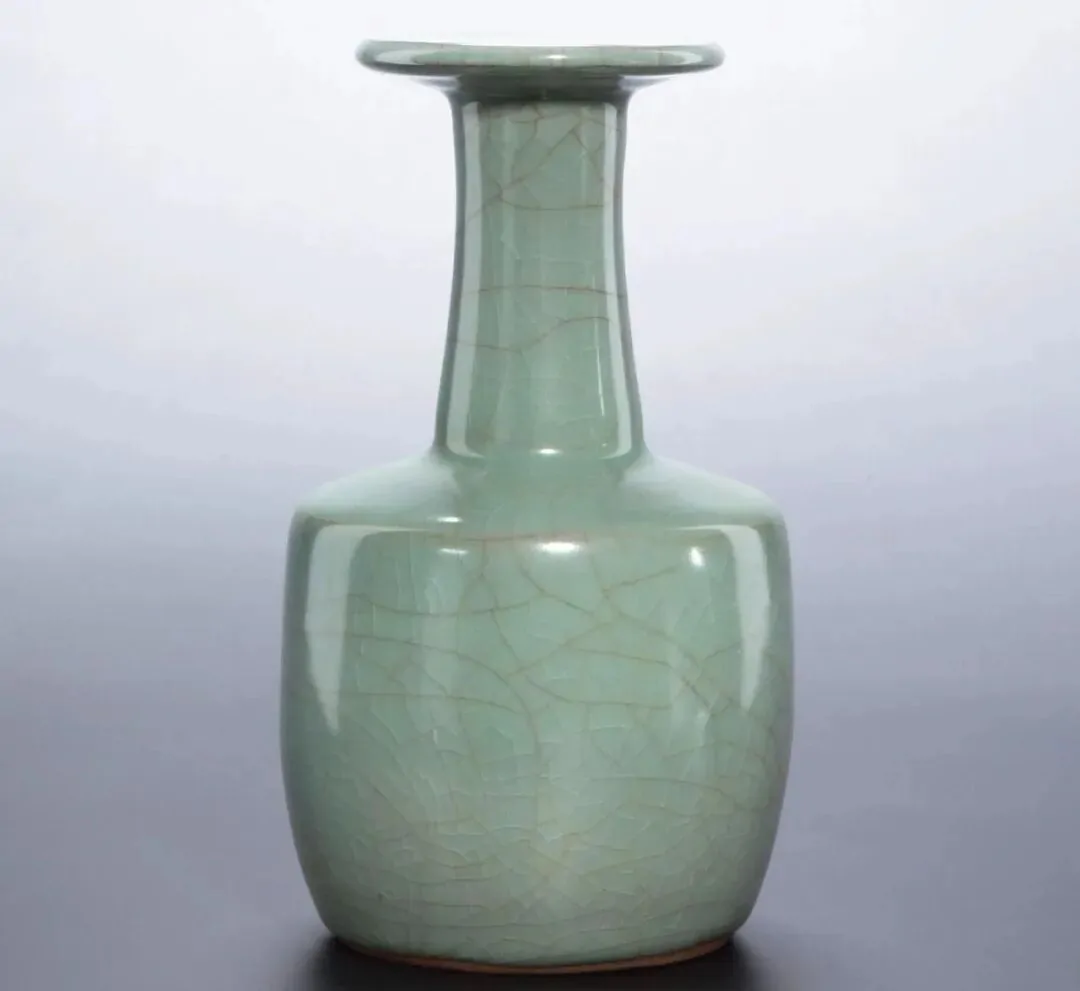
From the point of view of use, historians divide court porcelain into two streams — yu (imperial) and guan (official) — and the distinction was enforced by law, not taste.
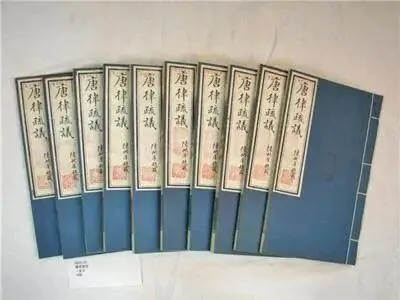
Imperial wares served the throne alone. Their forms and decorations were fixed by the sumptuary rules that governed dress and conveyance — the “car and clothing regulations” — and using the wrong class of vessel, or using one above your rank, was a serious crime. The statutes of the Tang codified this logic, and later dynasties sharpened it.
Imperial ware itself came in three grades. Royal ware — the emperor and the heir alone; Yongzheng’s imperial yellow is the classic case, a colour reserved to the throne. Princely ware for the rest of the imperial family, princes included. And first-rank palace ware, produced largely as gifts from the throne — which is why so much of it left the palace as reward. How those reign marks read today is a study of its own, taken up in does a Yongzheng mark mean the porcelain is antique?
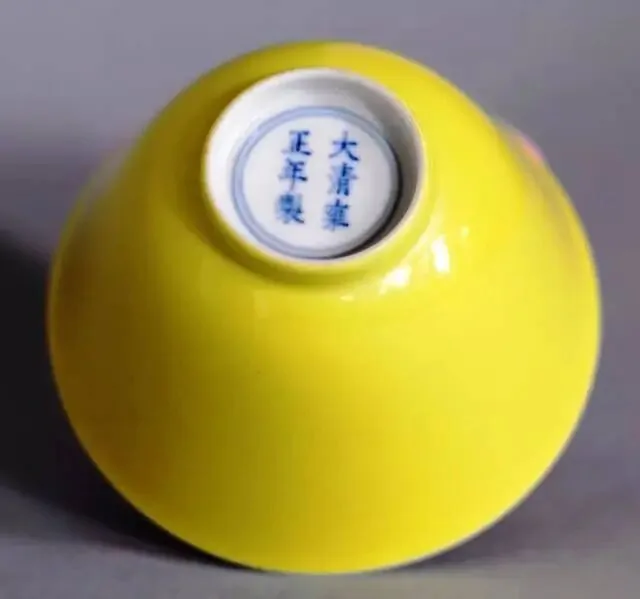
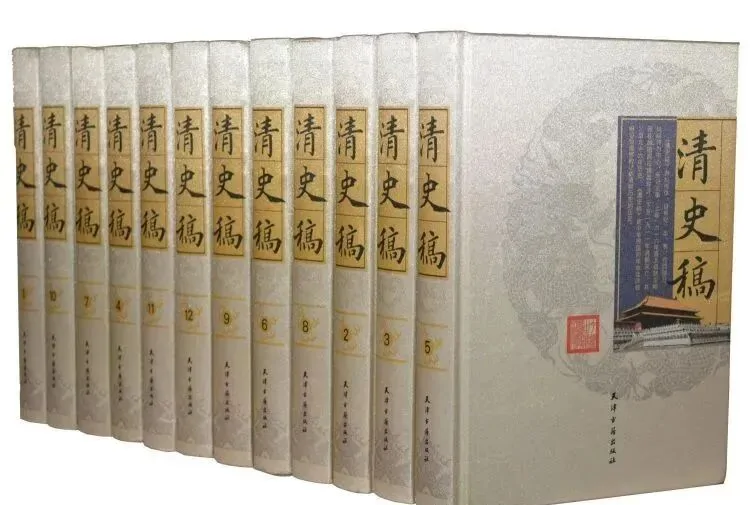
The Qing record is explicit about the machinery: according to the official history of the dynasty, imperial firing was the responsibility of the Yangxin Hall workshops, which supplied the forms, the designs and the technical specifications; many samples were trial-fired in the capital itself, especially under Kangxi; and for great court occasions a senior official — often a member of the imperial family — was appointed to supervise the whole firing.
Official ware proper served the vast bureaucracy. Its formal requirements were looser, its subjects sat outside the strict ritual canon — flowers, birds, insects, fish, mythological scenes — and the court sometimes bought it as “playthings” for its own amusement. Mostly it furnished the households of officials and wealthy merchants. Procurement ran through the Imperial Household Department, with a supervising commissioner of porcelain posted long-term at Jingdezhen.
Jingdezhen and the 632-year imperial system
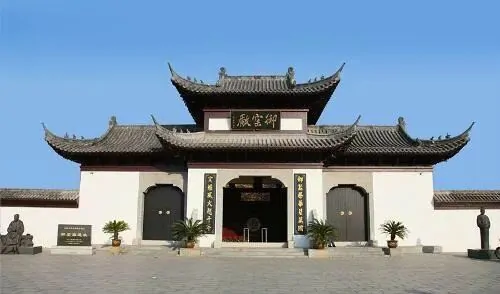
That last detail carries the whole weight of the story. Jingdezhen was the seat of the imperial factories for the Yuan, Ming and Qing dynasties, and the official-kiln institution there ran continuously for 632 years — the longest-running, largest and most technically refined state porcelain operation China has had. The ground beneath the old factory still holds the buried shards of rejected imperial pieces: the most complete, best-dated and most informative official-kiln site in China, an underground porcelain capital.

The wares that came out of this system remain the reference points of the field — the blue-and-white tradition is traced dynasty by dynasty in a history of blue and white porcelain, the Yongzheng workshop’s revival masterpieces in why a meiping has sloping shoulders, and their market standing in Yongzheng wares at auction.
What about today’s official kilns?
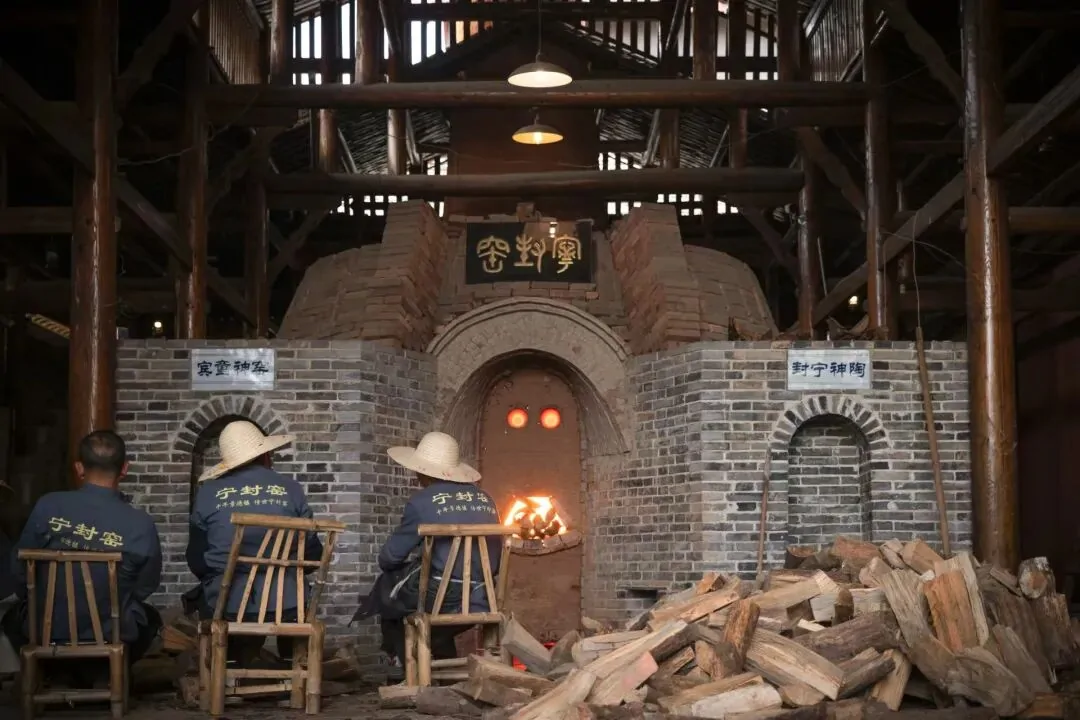
Wood-fired kilns still stand in Jingdezhen, and a number of workshops now fire explicitly to the old official standards: a controlled production system, selected materials, hand work at every stage. The institutional history did not so much end as change hands — the state factories of the mid-twentieth century and their export machine are documented in how factory-era revivals changed prices, and today’s studio heirs in the undervalued modern market.
Why does the guan system still matter?
Because it explains what collectors are actually looking at. The mark, the colour, the subject and the form were never free choices: they were positions in a hierarchy, written into law and supervised by named officials. Read that system correctly and a bowl becomes a document — of rank, of ritual, of an institution that ran for over six centuries. Buyers who want the short version of what to check before purchasing will find it in archaistic porcelain worth collecting, and the reasons the court tradition kept reviving itself in why archaistic porcelain exists.
Explore Jingdezhen craftsmanship
Browse the Jingdezhen Heritage collection for hand-made porcelain documented and sold as what it is.
Contact Jingdezhen Heritage
Questions about a piece, a glaze or an order? Email service@jingdezhenheritage.com or message us on WhatsApp. We reply within one working day.