
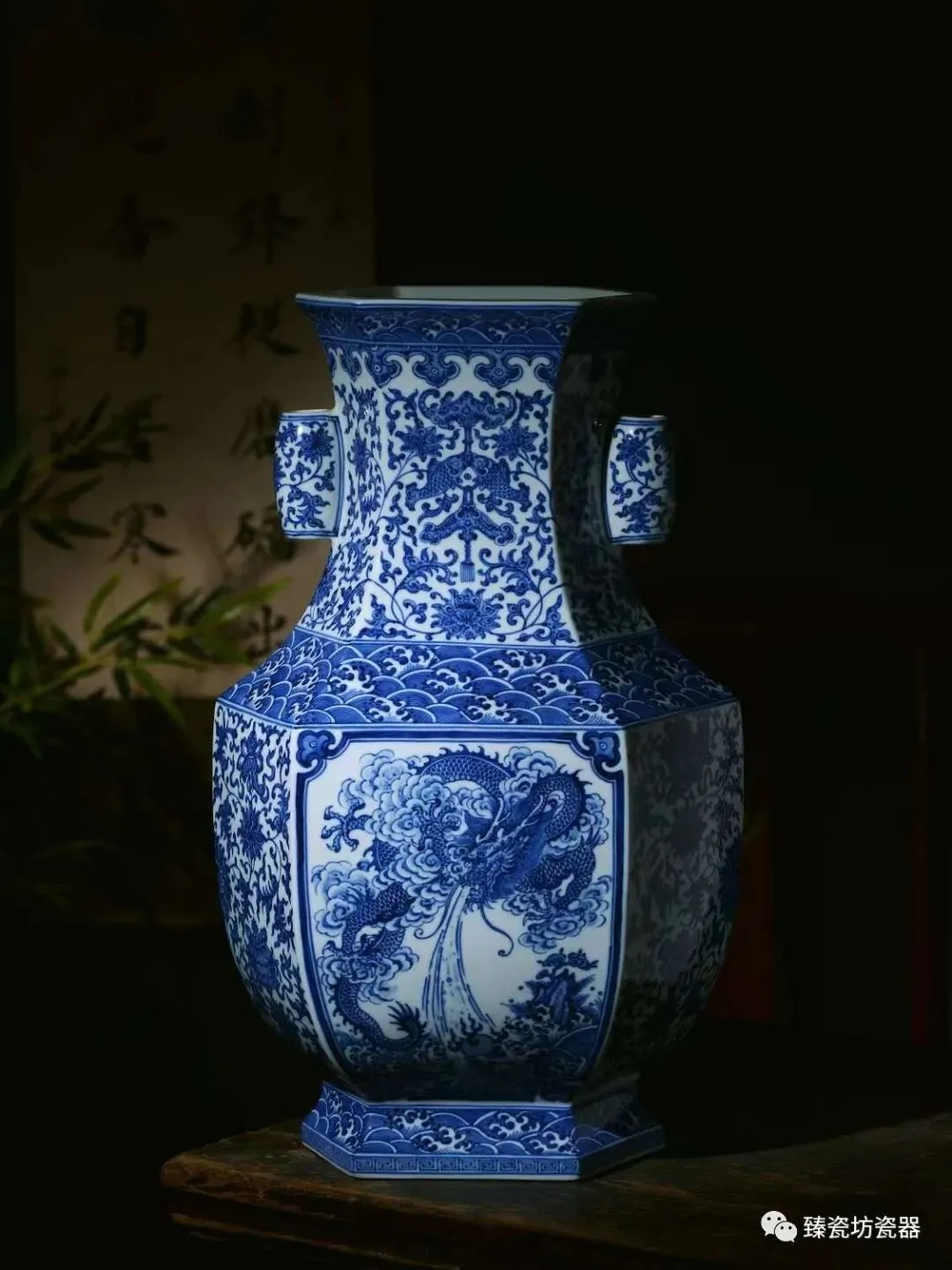
Archaistic porcelain u2014 new ware made in the style of earlier dynasties u2014 was never a footnote to Chinese ceramic history. Four distinct forces kept it in production from the Song dynasty onwards, and each of them still shapes its collecting value today.
Why does archaistic porcelain exist at all?
Ask a room of collectors what archaistic porcelain is for, and the answers tend to be defensive: it imitates, it flatters, it deceives. The longer view is more interesting. The genre arose in the Song dynasty, took shape in the Yuan, matured in the Ming, declined in the late Qing and re-emerged during the Republican era u2014 a lineage tracked in detail in our article on the four golden ages of archaistic porcelain. Such persistence is not accident. Copies of earlier wares appeared in every one of those centuries because four separate demands kept pulling them back into production: scarcity, literati taste, imperial patronage and export appetite. Understanding those forces explains why the best archaistic ware commands serious prices today.
1. Scarcity: the economics of rare survivors
Collectors have always paid more for what time has made rare. From the Tang through the Song, Ming and Qing, whichever wares survived in small numbers commanded high prices, and that arithmetic has not changed. The scarcer the surviving examples of a given type, the higher its value u2014 today just as in the past. This simple mechanism created the original incentive to copy. When a class of antique pottery was both admired and unobtainable, a faithful new version became the only way to own the form. The respect now given to a well-made reproduction reflects that logic; our guide to four standards for judging an archaistic reproduction sets out how serious buyers tell the difference between craft and pastiche.
2. Literati taste: the collectors who wrote the canon
What collectors wrote about, other collectors wanted. From the Ming onwards, connoisseurs and scholars left behind a rich body of notes and commentaries on ceramics, and these writings did much to shape the market. A Ming court record famously notes that a pair of Chenghua doucai “chicken cups” kept on the Wanli Emperor’s desk was valued at a hundred thousand cash. Qing-era texts carried the habit further, cataloguing and appraising celebrated wares. Each widely read endorsement turned a historic type into a target u2014 and, in response, workshops produced large quantities of copies of Yongle, Xuande and Chenghua pieces. Many of these imitations were of such quality that the world’s major museums now hold them in their collections.
3. Imperial patronage: emperors who commissioned the past
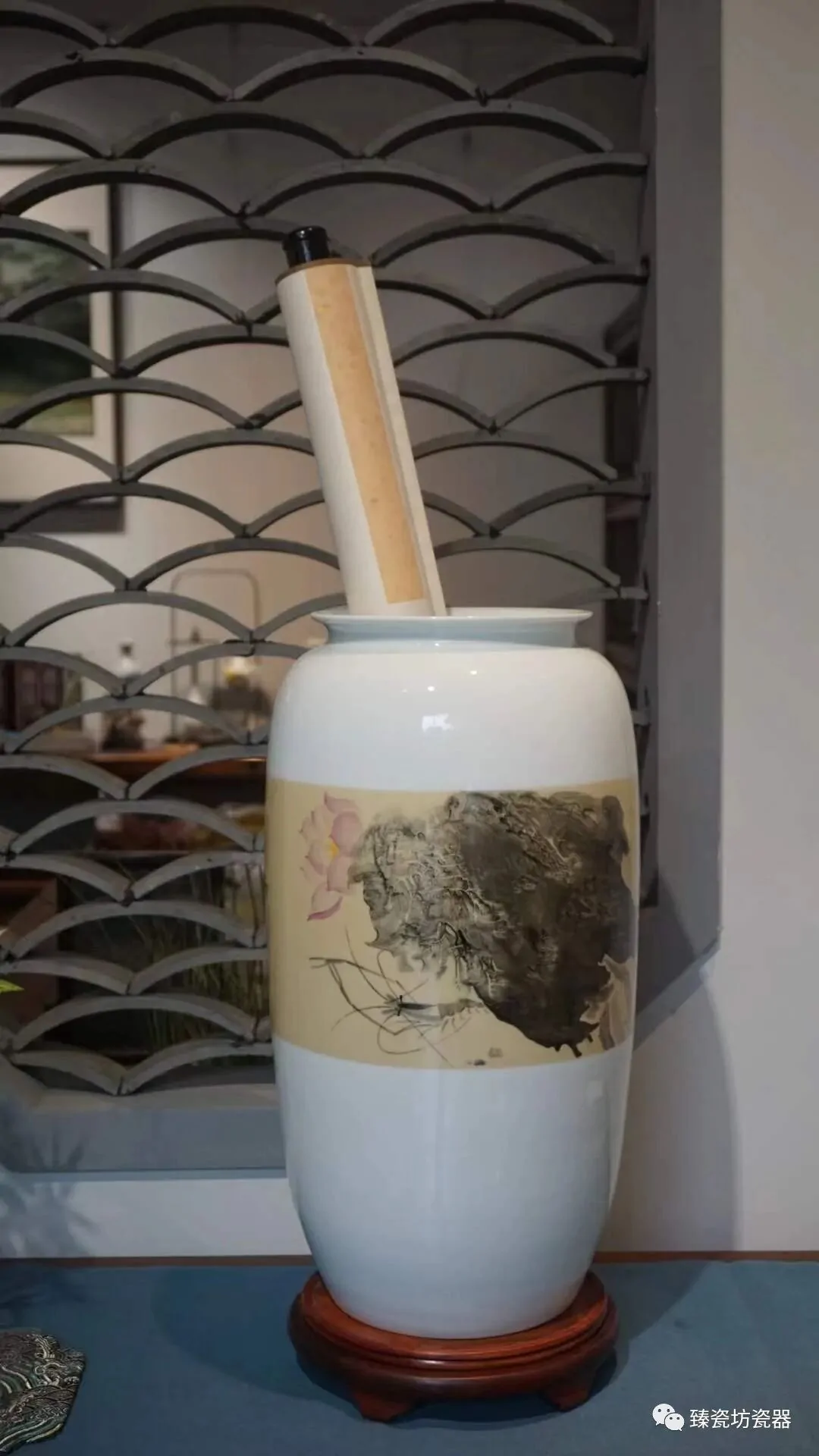
The strongest single force was the court itself. Emperor Huizong of the Song, the Yongle and Xuande emperors of the Ming, and Kangxi, Yongzheng and Qianlong of the Qing were all passionate connoisseurs, and taste at the top became fashion everywhere below. Following that lead, potters produced archaistic wares on a grand scale; indeed, many vessel shapes associated with the Five Great Kilns u2014 including ding-, ru- and jun-type pieces u2014 themselves echo Han-dynasty bronze forms, showing how deep the instinct to recreate the past ran. Under the Ming and Qing emperors who took a personal interest in production, porcelain rose from ordinary craft to prized object of connoisseurship, and archaistic ware was made precisely for the pleasure of seeing “the great wares of antiquity live again”. The imperial side of this story, from court commissions to the reign marks involved, is examined in our piece on earlier reign marks on Chinese porcelain.
4. Export demand: when foreign markets shaped production
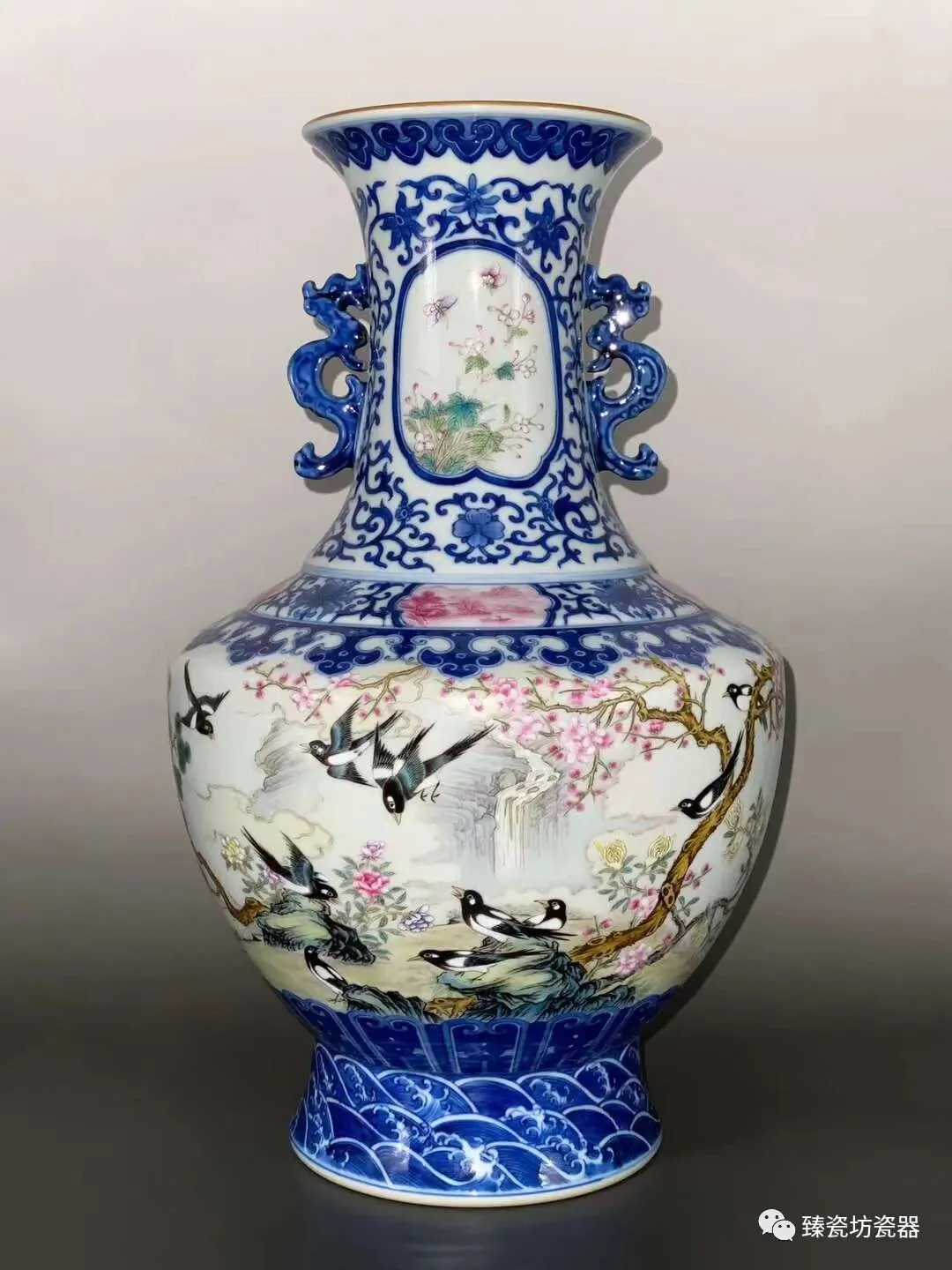
Demand from abroad became a force of its own in the late nineteenth century. As foreign buyers carried off Chinese works of art in quantity, their preferences became orders to fill. British collectors sought out celadon of successive dynasties; Japanese buyers favoured Tang sancai, Song and Yuan Cizhou ware, and the wucai enamels of the Jiajing and Wanli reigns. With surviving examples of each type limited, producers responded to the taste exactly as the market taught them to: by making more. Much of the archaistic porcelain that circulated internationally in that period was made not for deception but for supply meeting a defined demand.
5. The collecting era: fixed supply, rising demand
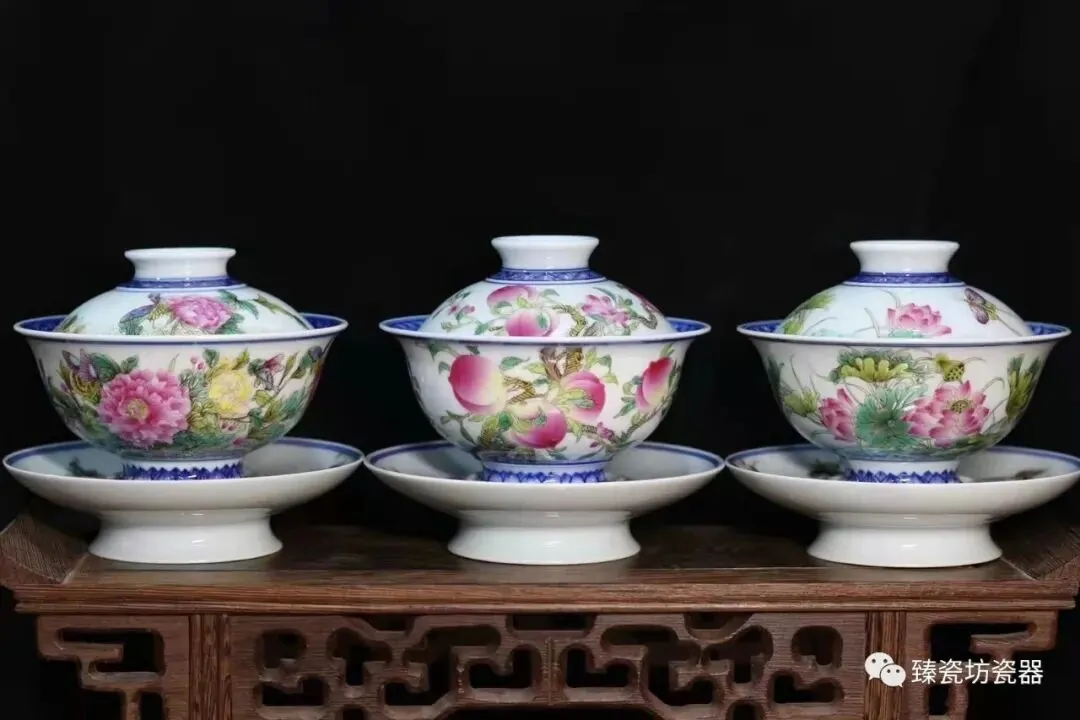
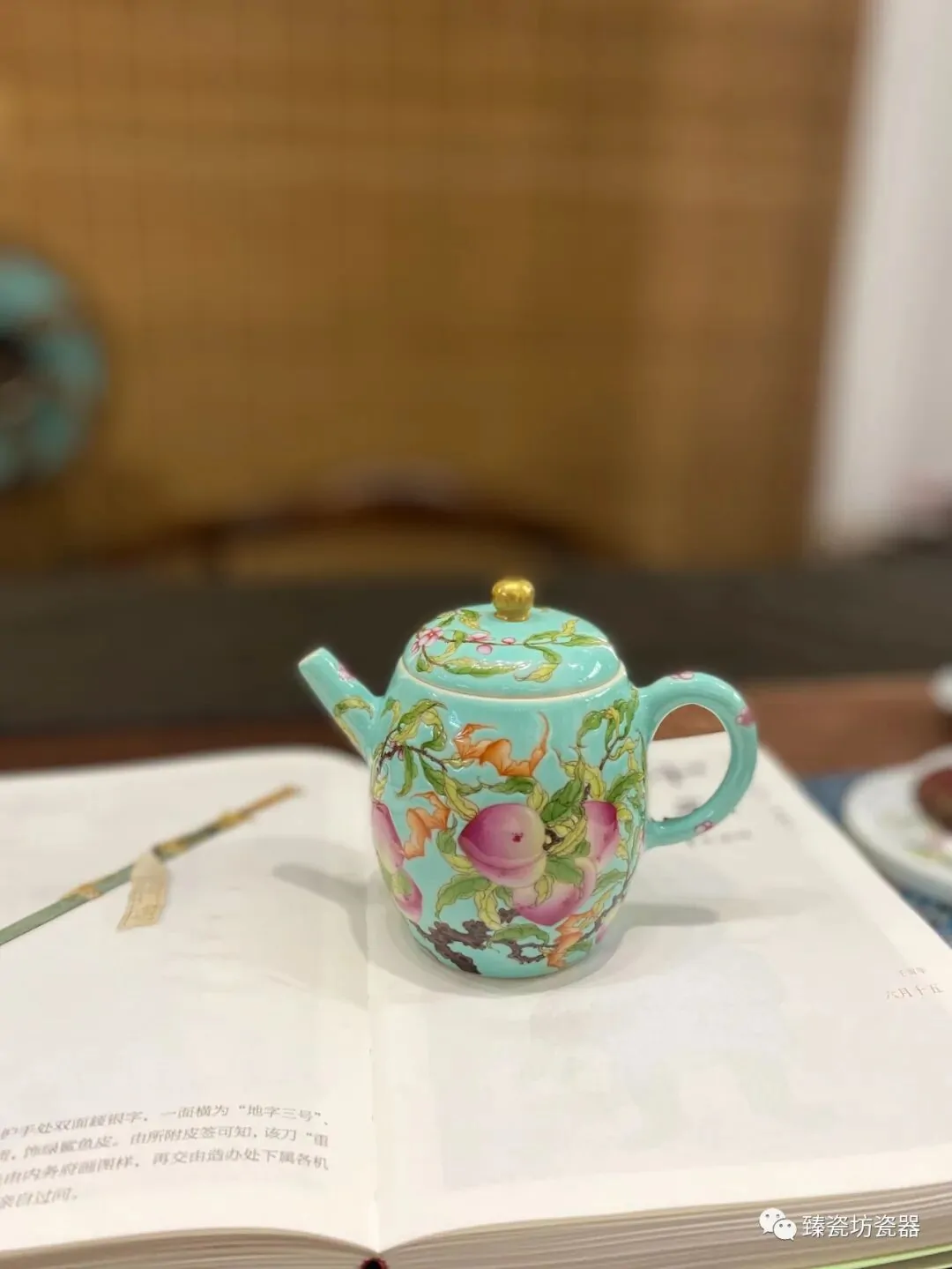
The same arithmetic that drove early copies drives today’s market. “In prosperous times, collect; in troubled times, buy gold” is an adage few Chinese collectors would dispute. After three decades of rapid growth, China has built the surplus for a genuine collecting era. Genuine antique porcelain exists in a fixed quantity u2014 what survived has survived, and no more will ever be made u2014 while the number of collectors keeps climbing. That gap between finite supply and expanding demand is the engine of the modern archaistic porcelain market, and it explains why the genre has earned lasting recognition among ceramic enthusiasts as appreciation deepens. Contemporary pieces such as the famille-rose lidded bowls and turquoise-ground teapot below are made in this tradition: classical forms, hand-painted in Jingdezhen, offered at a fraction of the price of period originals. For buyers weighing a purchase, our article on why a convincing copy is harder to make than something new offers a practical framework.
What does this mean for collectors today?
Scarcity, literati taste, imperial patronage and export demand built the genre; the modern collecting era sustains it. Archaistic porcelain is, at its best, the inheritance and continuation of China’s great ceramic tradition u2014 and the finest pieces have long been judged on their own merits, as our story of when archaistic porcelain matches a national treasure makes clear. For anyone drawn to classical form and hand craft, the genre remains one of the most rewarding corners of the ceramic world.
Explore Jingdezhen craftsmanship: every piece we make follows the same hand-built traditions described above, from thrown forms to hand-painted enamel. Browse the Jingdezhen Heritage collection to find archaistic-inspired porcelain for your own table or study.
Contact Jingdezhen Heritage: for enquiries about our archaistic porcelain and other hand-made wares, email service@jingdezhenheritage.com or message us on WhatsApp.