
Reign marks naming earlier emperors appear on Chinese porcelain from the Chenghua reign onward u2014 first as homage, later as systematic workshop practice, and finally in forms designed to test even specialists.
Chinese porcelain often carries the reign mark of an emperor who reigned long before the piece was made. This is not simply fakery: the practice began as deliberate homage in the Chenghua reign, was systematised in the Kangxi workshops, and reached its most deceptive form in later-enamelled wares.
Elsewhere on this journal we explain what revival porcelain is and how to tell a revival copy from an original. This article follows a narrower thread that neither covers: the history of the marks themselves u2014 when potters began writing earlier emperors’ names on new wares, and what a collector should make of them today.
What is a reign mark on Chinese porcelain?
A reign mark is a short inscription, usually six characters, recording the imperial reign in which a piece was made. Da Ming Chenghua nian zhi reads, in effect, “Made in the Chenghua reign of the Great Ming”. Marks are most often written in underglaze blue on the base, though they may also be incised or stamped. Readers familiar with European ceramics can think of the mark as a date line u2014 “Made in the reign of…” u2014 except that the name invoked was sometimes that of an emperor long dead.
That gap between the mark and the object is the subject of this article. A mark naming the reigning emperor is a straightforward attribution aid; a mark naming an earlier one can be honest homage, accepted workshop practice or deliberate deception u2014 and the same six characters can belong to any of the three. Placing a mark within a full routine of examining body, glaze, painting and wear is the work of the identification guide linked at the top of this piece.
When did potters start writing earlier emperors’ names?
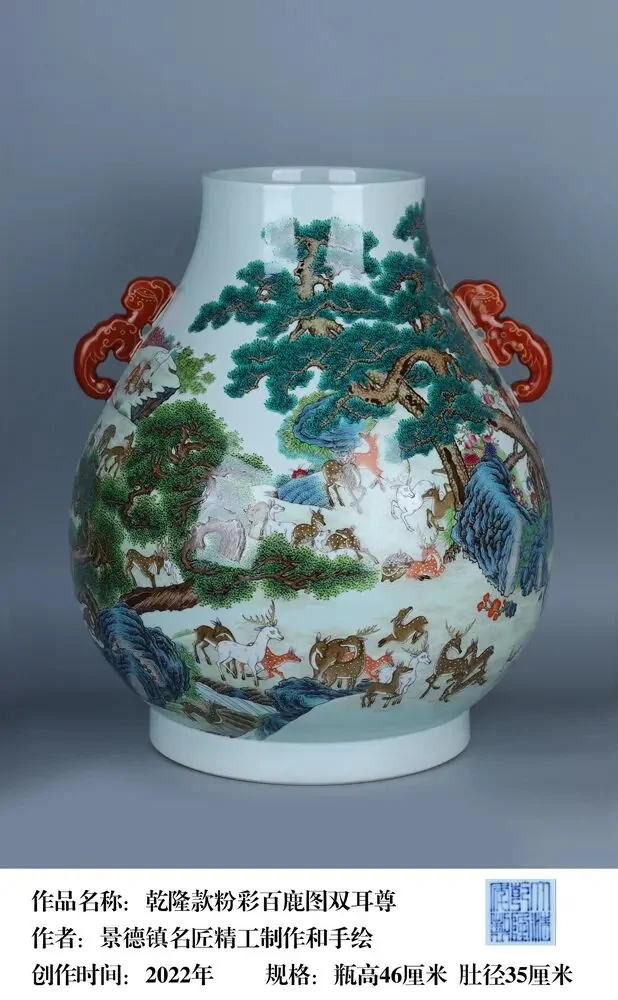
The earliest clear instances of later imperial porcelain carrying an earlier reign mark fall in the Chenghua reign (1465u20131487). Xuande and Chenghua kilns were already imitating Song glazes, and such copies are commonest in these two reigns; their marking habits, however, were mixed. Some Song-style pieces were written with the reigning emperor’s mark, while others bore none at all. From Chenghua onward, imperial workshops also began writing the marks of earlier reigns on new wares, and once started the habit recurs constantly through the following centuries.
The two branches of Ming revival work
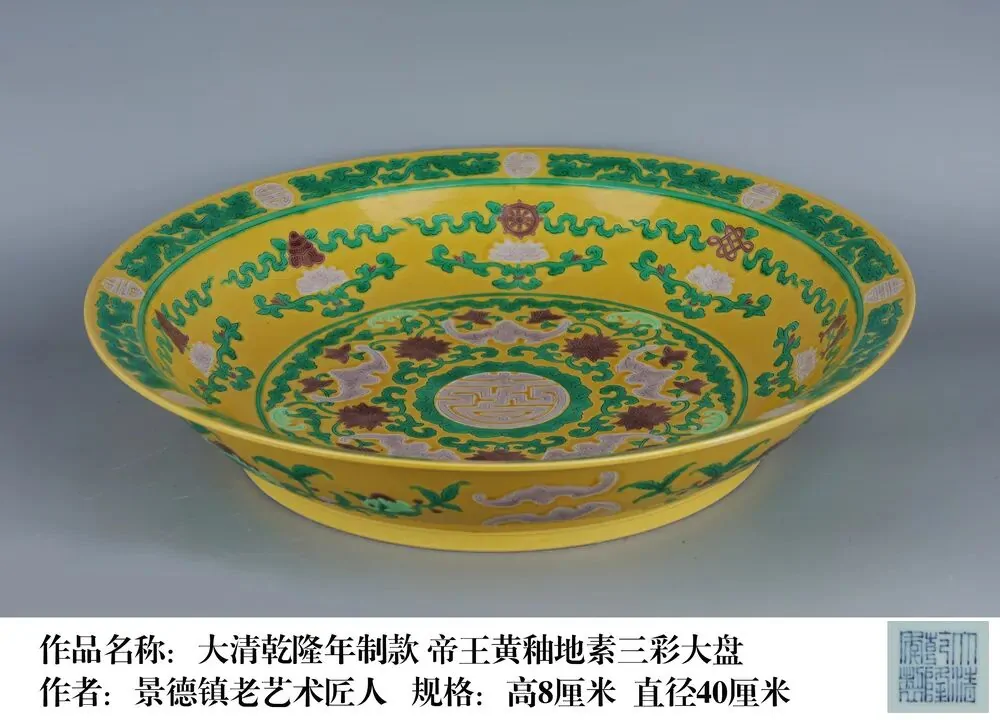
Ming revival activity divided into two recognisable branches. The first was Jingdezhen porcelain made at the imperial kilns in deliberate imitation of the glaze colours of the famous Song kilns u2014 Guan, Ge, Ru, Ding, Jun and Longquan. Form was not pursued with the same rigour: a Xuande or Chenghua vessel might carry a Song glaze over a shape that was unmistakably of its own day. Such pieces appear most often in the Xuande and Chenghua reigns, some marked with the current reign and some unmarked.
The second branch was the imitation of earlier imperial wares as complete objects. Here the writers of marks faced a choice, and both options occur: a piece copied from an earlier prototype may bear the earlier reign’s mark or the current one. The writing of an earlier reign mark by a later imperial kiln begins, on the documentary record, with Chenghua u2014 and becomes commonplace thereafter.
How the late-Ming antiques market fuelled copying
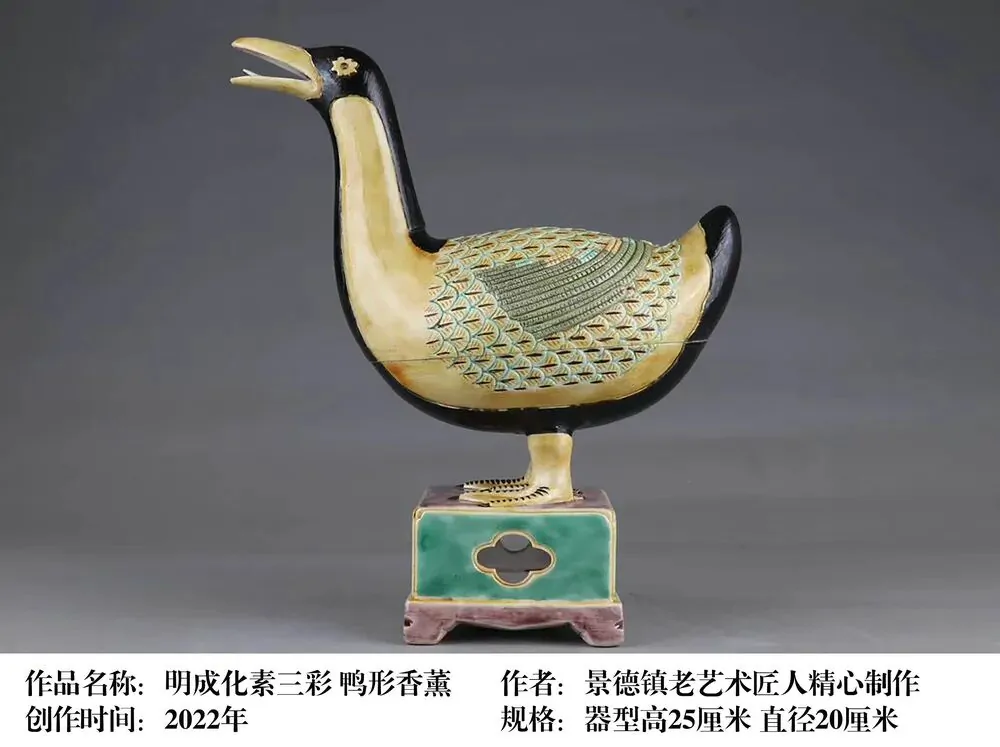
Commercial demand then took over from court taste. By the late Ming, wares of the Yongle, Xuande and Chenghua reigns had become prized collectibles; prices rose so sharply that some pieces cost as much as Song porcelain. A vigorous antiques market supplied the incentive, and under the Jiajing and Wanli emperors Jingdezhen produced large quantities of copies of Yongle, Xuande and Chenghua imperial porcelain u2014 many of them of genuinely high quality. It is an early and clear case of collector demand, rather than imperial instruction, setting the kilns’ agenda.
Inside the Qing revival workshop
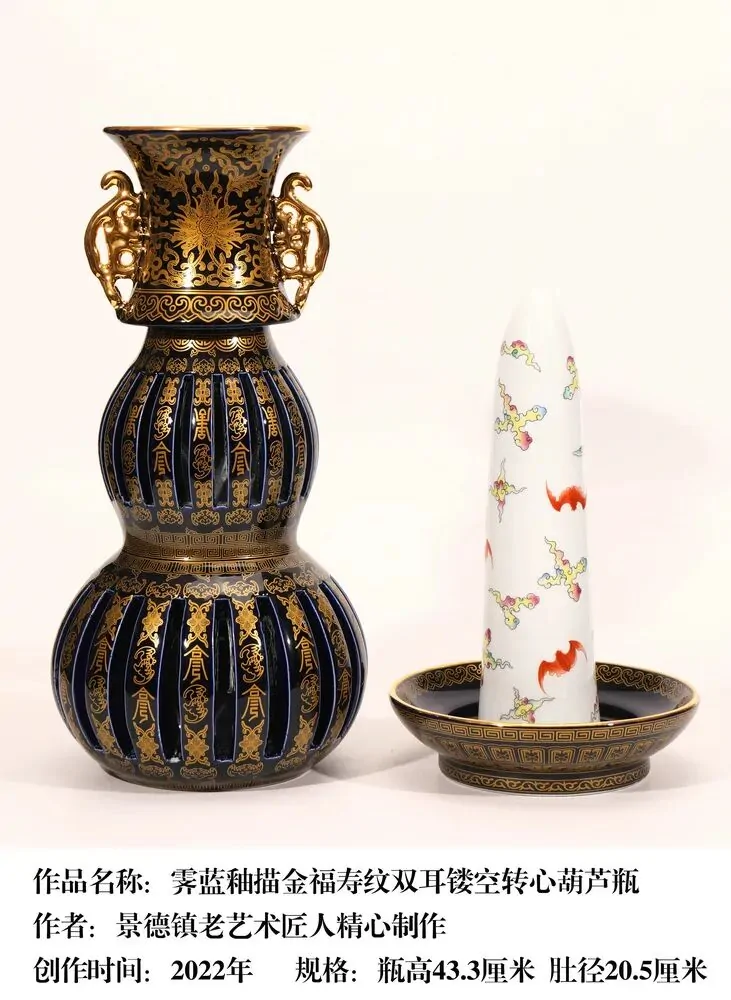
Under the Kangxi, Yongzheng and Qianlong emperors the practice was institutionalised. The imperial kiln works established a dedicated unit u2014 the fanggu zuo, a workshop devoted solely to the revival of antiquity u2014 and its remit ran from the five great Song kilns to the wares of every Ming reign. Glaze imitation in particular was handled with conspicuous success; Song-type glazes were produced in quantity.
The source material notes that some Qing copies were made strictly after originals in the palace collection, so closely that telling them from their prototypes became a genuine problem.
The Kangxi reign-mark record is the most striking part of the story. Kangxi workshops wrote Ming reign marks in more than ten variants u2014 among them Hongwu nian zao, Yongle nian zhi and Da Ming Chenghua nian zhi. Chenghua and Xuande marks were the commonest, and the practice concentrated on blue-and-white, wucai and doucai wares.
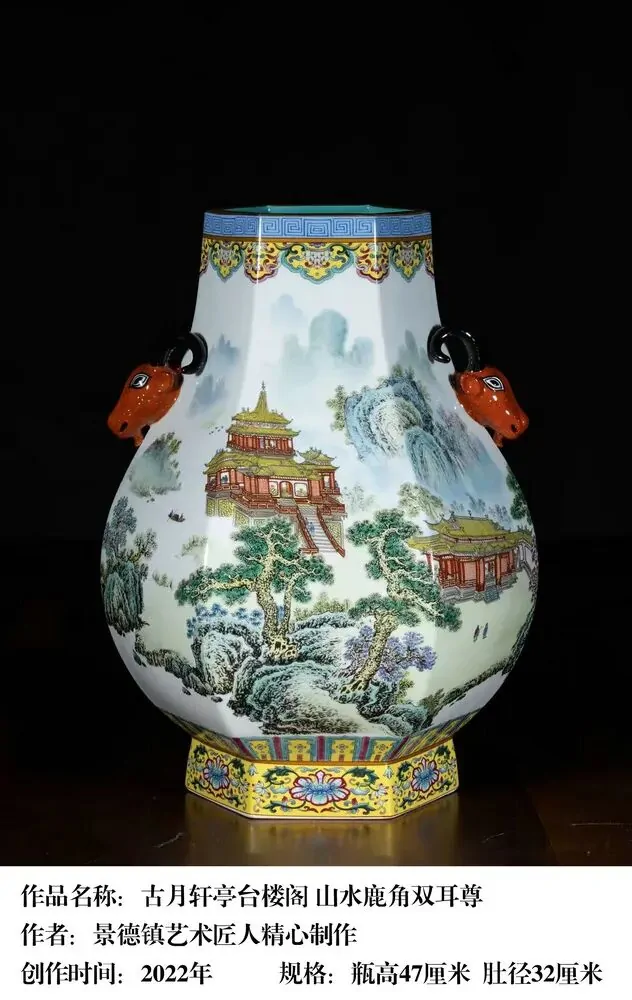
Hou gua cai: old bodies, new colours
Copying broadened again in the late Qing and Republican years. Wares appeared in emulation of everything from Six Dynasties celadon to the imperial porcelains of the Guangxu and Xuantong reigns, and the finest could puzzle experienced judges.
The period also produced a category with no earlier equivalent: hou gua cai, literally “enamelled later”. Such pieces combine an old body with new decoration u2014 the porcelain beneath may genuinely belong to the reign the mark names, while the painted enamels were added years or decades afterwards. Because enamels sit on top of the glaze of hand-painted porcelain, adding them to a genuine old body was entirely practicable; separating the two moments in time is not. Later-enamelled wares are generally considered the hardest of all categories to attribute, harder even than a wholly modern copy, because every part of the object is old except the paint. Whether such work deserves to be called fake at all is a question we take up separately, in our piece on whether revival porcelain is fake.
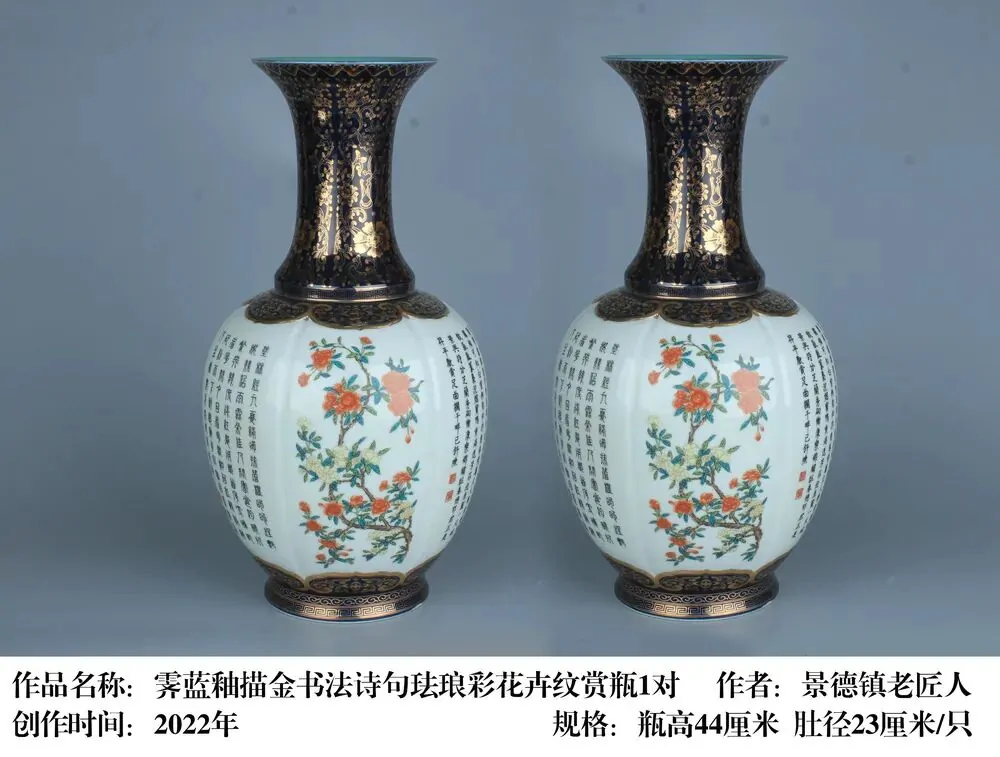
What reign marks can and cannot tell you
Treat a reign mark as a clue with conditions attached. It narrows the field: a Da Ming Chenghua nian zhi mark allows only two broad possibilities, a Chenghua original or a later piece written in homage or imitation. It cannot settle the question on its own, because the homage tradition was real, the imitations were close, and the mark itself was the easiest element to reproduce. Read it alongside the body, the glaze, the painting and the signs of use u2014 and let no single feature, the mark included, carry the verdict alone.
Explore Jingdezhen craftsmanship
The revival tradition these marks belong to is still alive. If the history above has sharpened your eye, browse the porcelain collection at Jingdezhen Heritage: contemporary wares made by artisans working in the same traditions of glaze, painting and form.
Contact Jingdezhen Heritage
Questions about a piece, a mark or a commission? Email Jingdezhen Heritage · Message us on WhatsApp.
Source article and images: a Chinese-language WeChat public-account feature, reproduced with acknowledgement; the text above is an independent English-language rewrite for Jingdezhen Heritage.