
Archaistic porcelain has been argued over for as long as it has existed. It is not a fake u2014 but not everything sold under its name deserves the label. Here is how to tell genuine hand craft from factory output, and why the real thing earns its place in a collection.
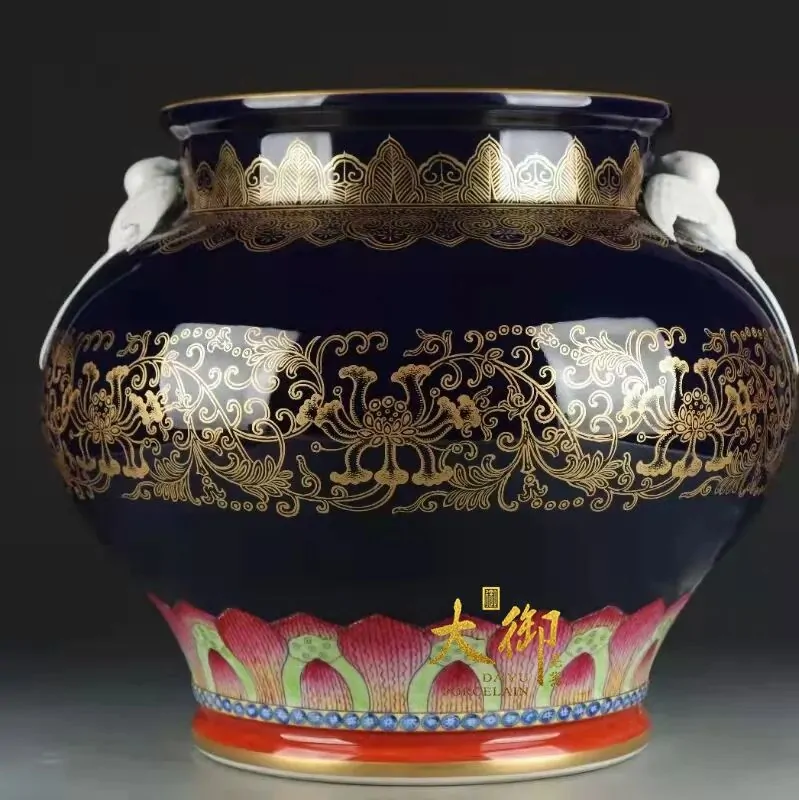
Is archaistic porcelain a fake?
No u2014 provided it is honest about what it is. Archaistic porcelain is the deliberate revival of the glazes, shapes, painted decoration or reign marks of earlier wares, a practice with its roots in the Song dynasty that spread through both private workshops and the imperial kilns. In most cases the maker’s mark or a clear declaration identifies the piece as a revival rather than an original; reputable artists and dealers say so at the point of sale. It is a legitimate, lawful craft tradition u2014 in essence, one generation paying respect to another. As collector taste has grown, the genre has flourished again in modern times; its long lineage is charted in the four golden ages of archaistic porcelain and the forces behind it in why archaistic porcelain exists.
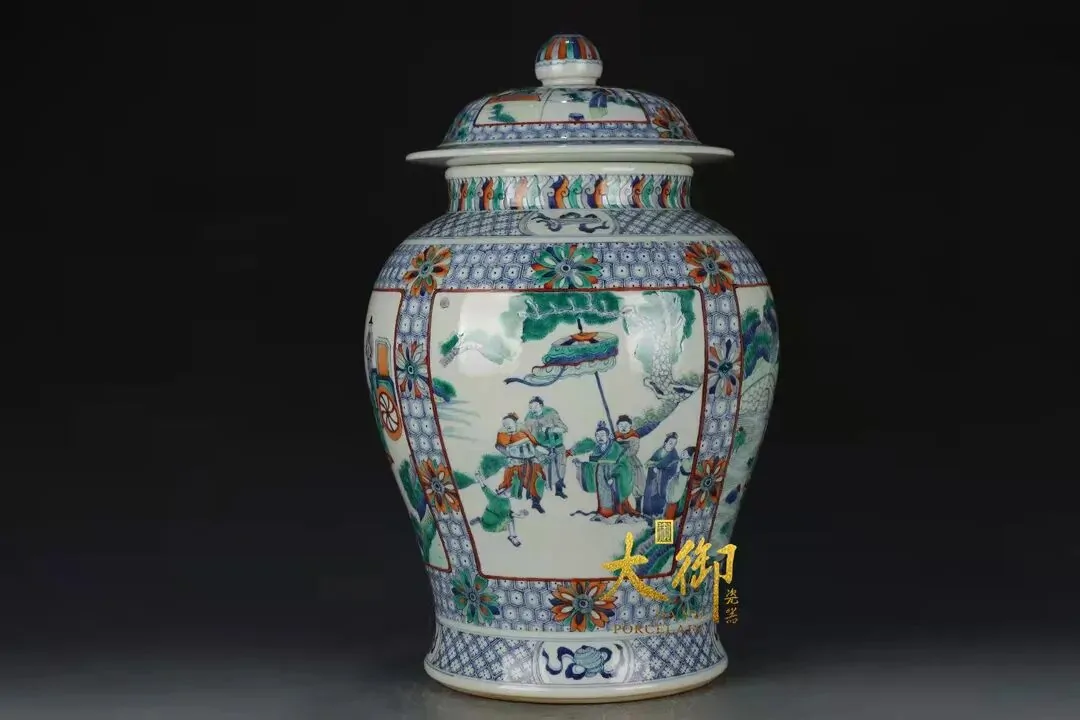
Why is the market so confusing?
Because the name covers everything from studio masterpieces to machine-made trade goods. Prices for so-called archaistic porcelain run from a few dozen yuan to tens of thousands, and some sellers pass off mass-produced, transfer-printed ware as the real article. For an ordinary buyer, the gap between honest craft and cynical production is hard to see u2014 which is why many collectors hesitate. The first protection is knowing what to look for, and the second is buying from makers who document their work. Our article on how old archaistic porcelain really is, and what it is worth explains what the historical market has paid for the top of this spectrum.
What separates collectible ware from factory output?
Start with whether the piece is genuinely hand-made; everything else follows from that. First confirm it is pure hand work u2014 thrown or hand-formed, hand-painted, not slip-cast and decorated with applied transfers. Batch-made, cast-and-printed ware has no collecting value however it is labelled. Only then compare the substance: the quality of the craft, the materials, the accuracy of the form and the fineness of the design. A true fine archaistic piece reproduces the glaze recipe, the body and the profile one to one. Some historic glazes and formulas have been lost, and recovering them means working through old texts and many failed batches u2014 one reason a convincing revival can cost more effort than an original design, as we describe in why a convincing copy is harder to make than something new. The finest results stand beside the works that inspired them, a point developed in four standards for judging an archaistic reproduction.
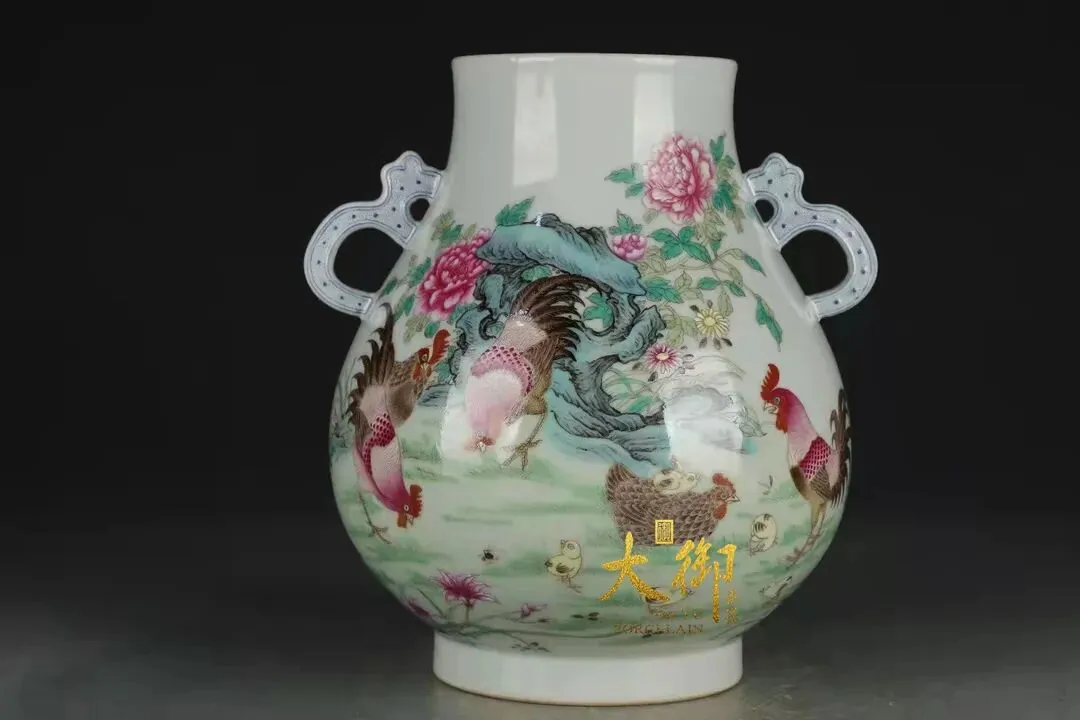
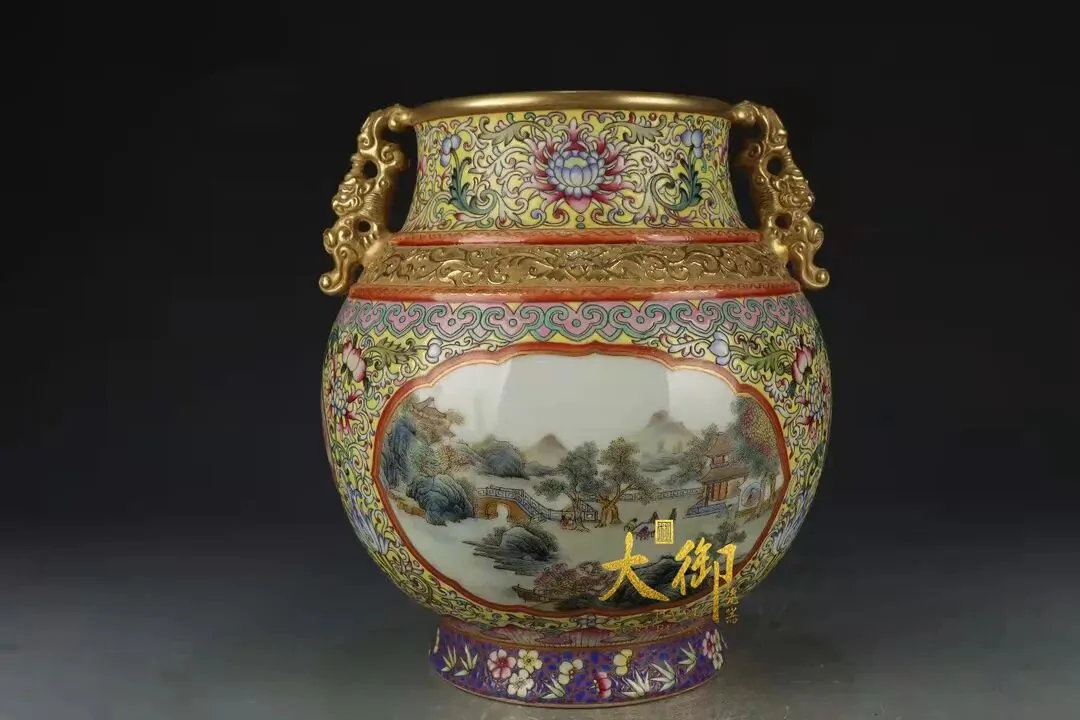
Why does it deserve a place in a collection?
Because it does two jobs at once: it honours the past and makes it accessible. On one side, archaistic porcelain is a tribute u2014 the transmission of classic forms and techniques that might otherwise fade. On the other, it answers a real need: collectors who love historic wares but cannot find, or afford, the originals, which now sit mostly in museums and established private hands. Modern makers aim beyond copying the glaze, form and decoration; the best seek unity of form and spirit, so that the revival breathes as well as resembles. Pieces such as the yellow-ground landscape vase and the pagoda-form censers below are made in exactly that spirit u2014 classical designs, hand-painted, and priced for the present. Over decades, well-chosen works join the lineage themselves, as our story of why old copies become today’s treasures shows. Judge each piece on its craft, buy to your means, and there is nothing to apologise for.
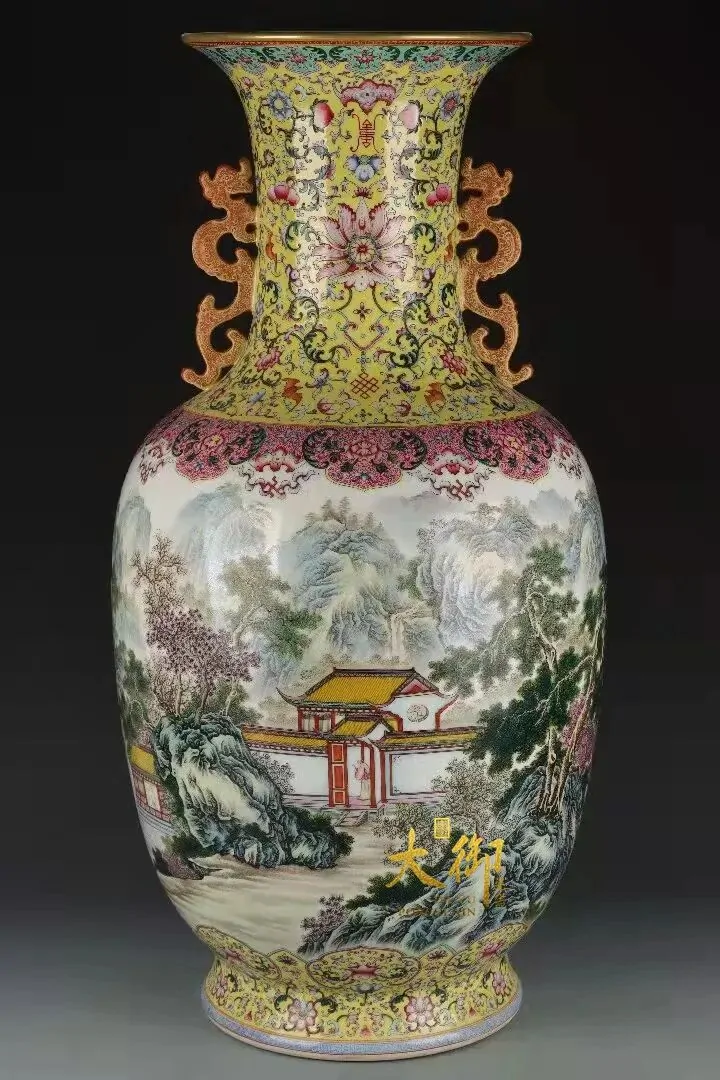
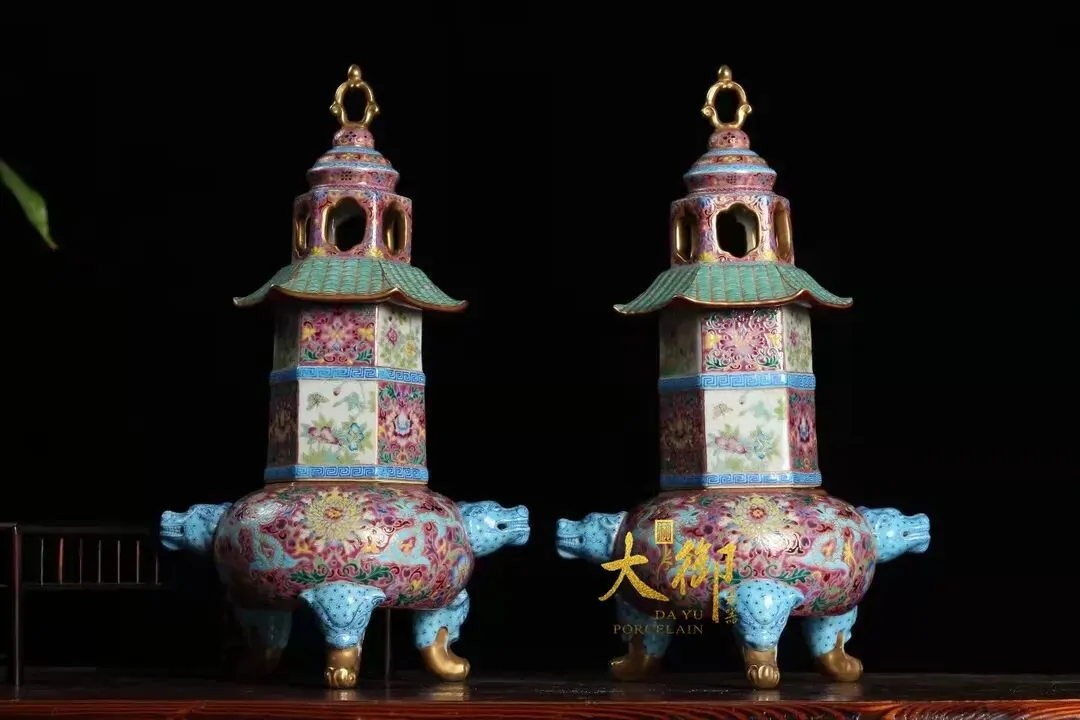
Explore Jingdezhen craftsmanship: every piece we make follows the same hand-built traditions described above, from thrown forms to hand-painted enamel. Browse the Jingdezhen Heritage collection to find archaistic-inspired porcelain for your own table or study.
Contact Jingdezhen Heritage: for enquiries about our archaistic porcelain and other hand-made wares, email service@jingdezhenheritage.com or message us on WhatsApp.