
Some of the most sought-after Chinese ceramics in the world are copies. Ming potters reinterpreting Song kilns and Qing potters reviving Chenghua enamels produced works that are now prized treasures in their own right u2014 and the discipline behind them still guides the finest workshops today.
What counts as archaistic porcelain?
Archaistic porcelain is ware made in deliberate imitation of earlier glazes, shapes or painted decoration u2014 often all three. It is one of the most distinctive phenomena in Chinese ceramic history, practised on a large scale both in the imperial kilns and in private workshops, which is why so much of it survives. The genre first budded in the Song dynasty, took shape in the Yuan, matured in the Ming, flourished in the early Qing and declined in its later decades; in modern times it has entered another flowering. The motive varied from age to age: reverence for antiquity, genuine admiration for earlier ceramic art, or straightforward profit. We have traced the broader pattern in our article on the four golden ages of archaistic porcelain and the demand behind it in why archaistic porcelain exists.
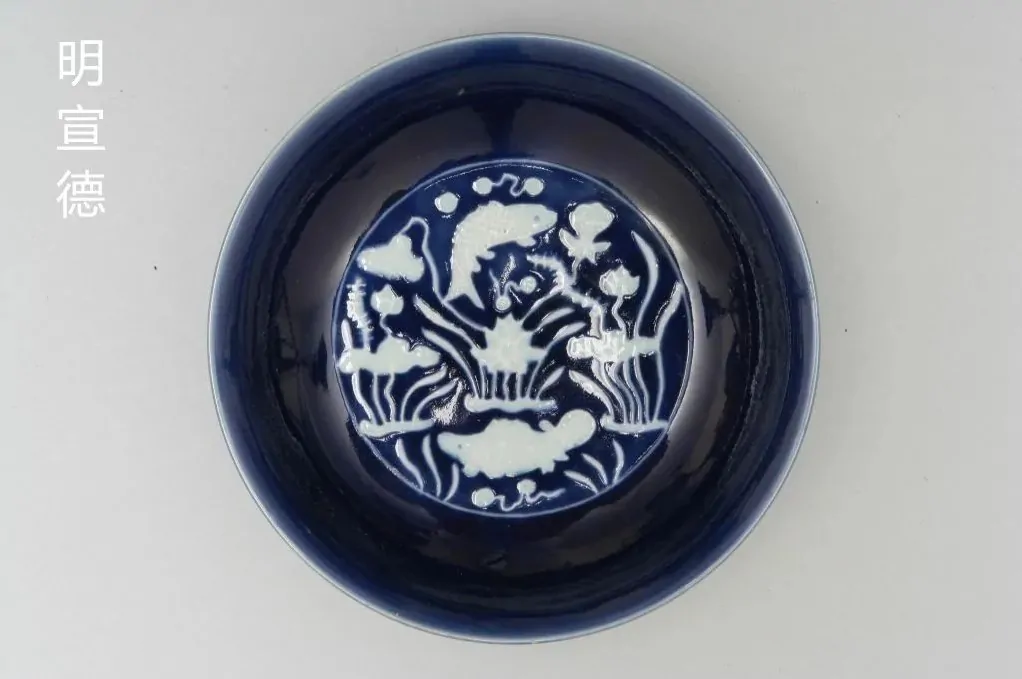
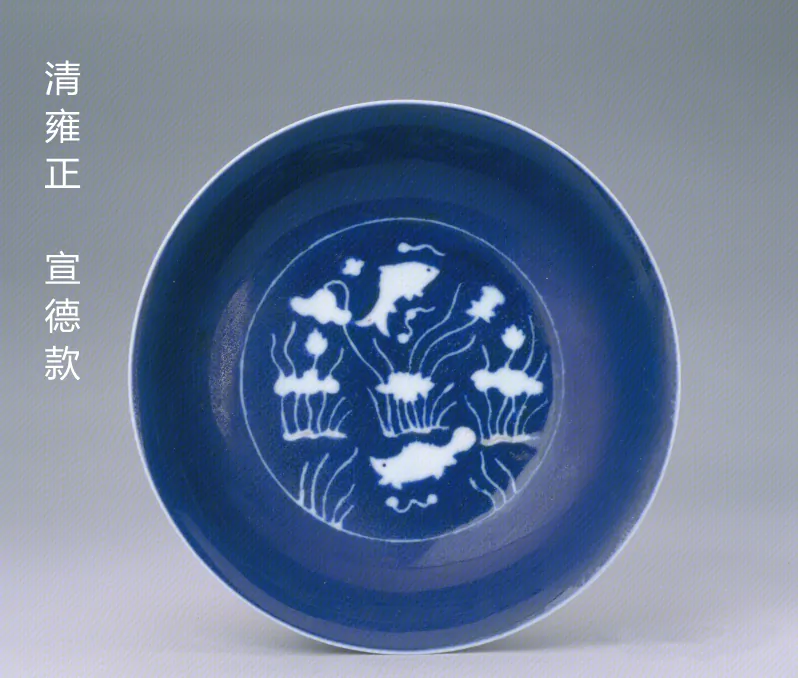
Why are old copies now treasures in their own right?
Yesterday’s copies have become today’s originals. Consider the pairs above: a Xuande dish in deep sacrificial blue with white fish swimming among lotus, and a Yongzheng-era version that carries a Xuande mark; a Song Ge ware bottle vase, and the Yongzheng copy that follows it crack for crack. Historical examples abound u2014 Ming imitations of Song Ge ware, Kangxi pieces copied from Chenghua doucai with Chenghua marks, and Xuande designs revived under Kangxi. What was once emulation is now heritage. Collections across the world treat these Tang, Song, Ming, Qing and Republican-era revivals not as imitations but as celebrated wares whose value has climbed steadily with time. Part of what makes them legible is the habit of quoting earlier reign marks, a practice we explain in earlier reign marks on Chinese porcelain. The same principle u2014 that a great copy earns respect on its own merits u2014 underpins our stories of when archaistic porcelain matches a national treasure and how old archaistic porcelain really is, and what it is worth.
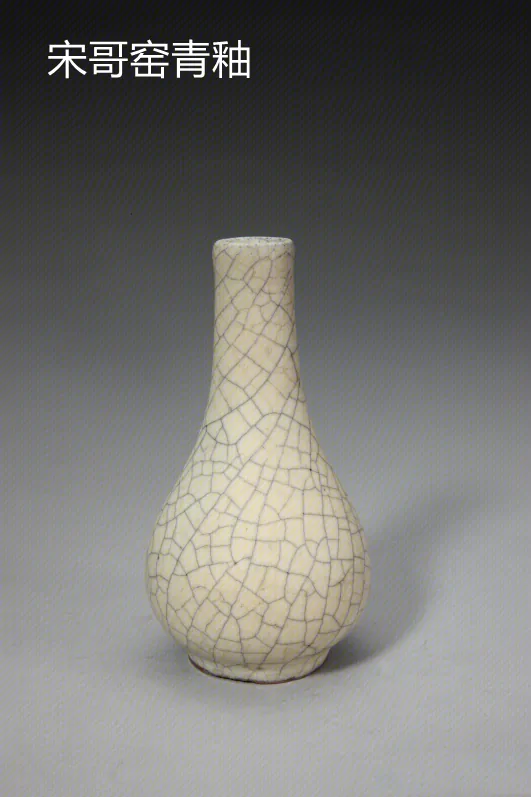
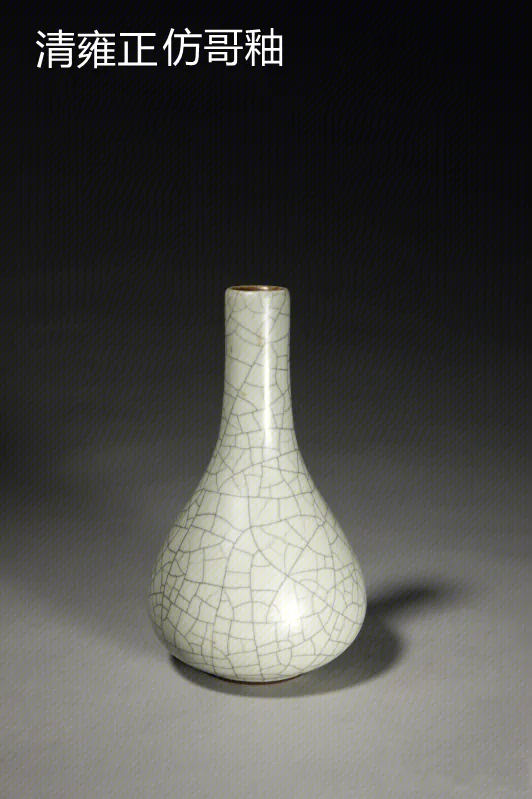
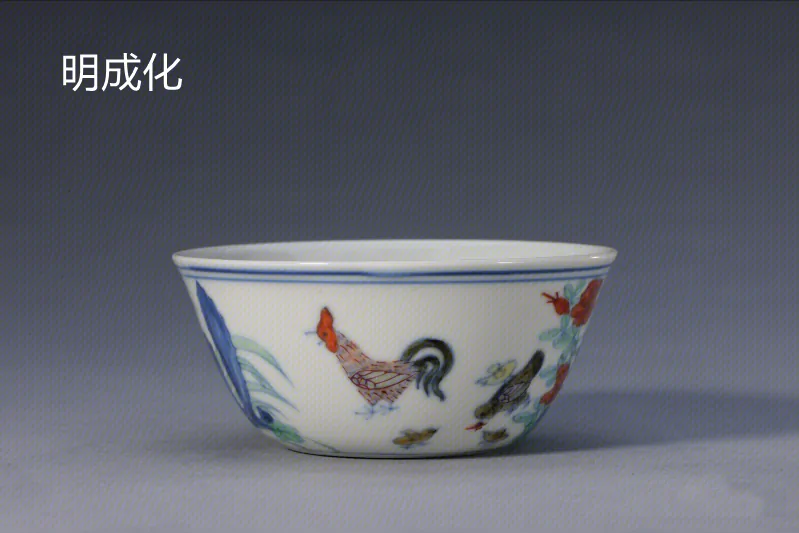
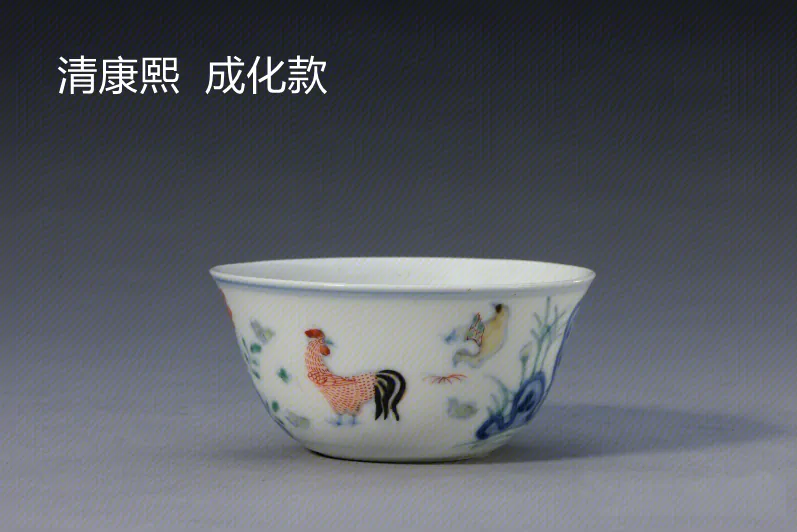
What does it take to make a great copy today?
Modern workshops aim for unity of form, colour and spirit. Form is the visible layer: the paste and glaze, the profile of the body, the painted motifs, the palette, the brushwork, the style of decoration and the mark. That alone is demanding, but it is the easier half. The harder half is spirit u2014 recapturing the breath and rhythm of the age being revived, so that a Kangxi-style piece feels Kangxi and a Song-style piece feels Song. That requires restoring the traditional skills that produced the original peaks of Chinese ceramics, and it is why serious studios work from historical examples such as the Xuande washer and its Kangxi revival below. A fuller account of the difficulty appears in our piece on why a convincing copy is harder to make than something new, and our guide to four standards for judging an archaistic reproduction offers a practical checklist for buyers.
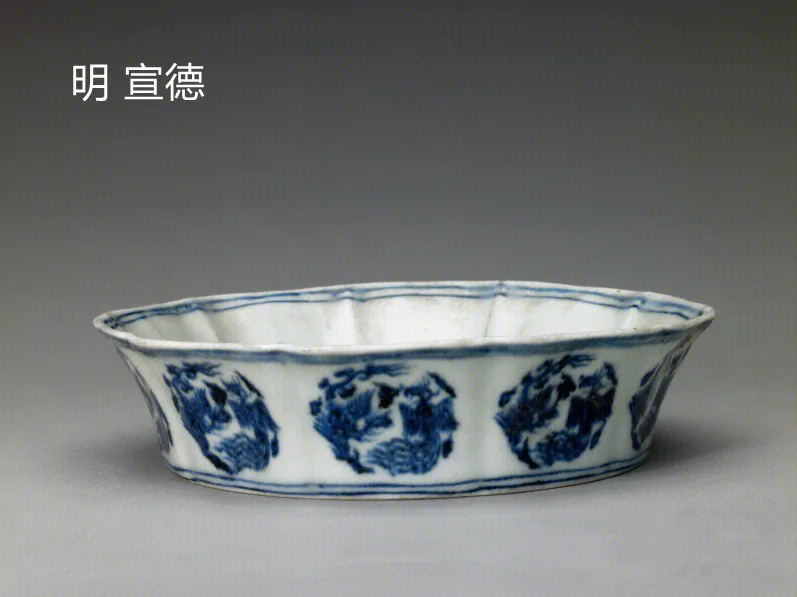
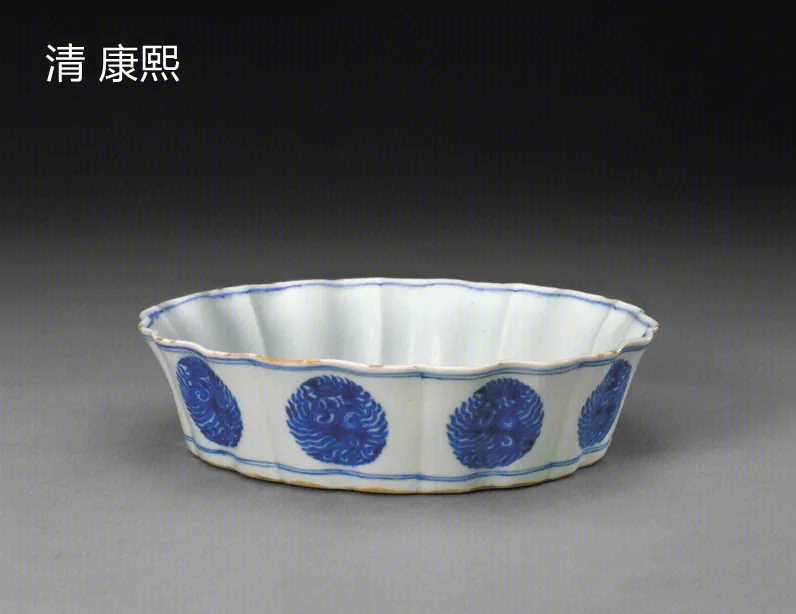
Why do collectors keep choosing archaistic porcelain?
Genuine antiques are finite, and most of them are already spoken for. “In hard times, gold; in prosperous times, porcelain,” the saying goes. Surviving pieces sit in the major museums or are held tightly by established dealers and collectors, leaving little to reach the open market. Archaistic porcelain offers the practical way in: a hand-made vessel that carries a classical design forward, honouring the skill of earlier generations and transmitting it to the present. Bought well and kept over decades, such pieces become heirlooms in their own right u2014 the reasoning set out in why archaistic porcelain exists. For collectors who value craft and continuity as much as age, the genre remains one of the most rewarding fields in ceramics.
Explore Jingdezhen craftsmanship: every piece we make follows the same hand-built traditions described above, from thrown forms to hand-painted enamel. Browse the Jingdezhen Heritage collection to find archaistic-inspired porcelain for your own table or study.
Contact Jingdezhen Heritage: for enquiries about our archaistic porcelain and other hand-made wares, email service@jingdezhenheritage.com or message us on WhatsApp.