
A single word separates “official kiln” from “private kiln” in Chinese porcelain terminology, but the difference in production, decoration and market value is often a factor of ten for wares of the same period and comparable craft. Does that mean private kiln porcelain is always inferior? This article maps the two systems and the famous kilns that crossed the line between them.
The two differences that separate official and private kilns
At root the distinction comes down to who commissioned the porcelain and what purpose it would serve. Official kilns produced for the state — tribute to the throne, gifts from the court or fittings for palace and office. Private kilns served merchants, scholars, temples and ordinary households. Those two roles produced two very different aesthetic programmes.
1. Production and control
The Song court built the first purpose-built imperial factories: Emperor Huizong’s royal kiln at Kaifeng, and after the southward relocation the official kiln under Phoenix Hill in Hangzhou, a compound patrolled by soldiers where every rejected piece was smashed and buried on the spot. The story of that system — including the 632-year Jingdezhen institution — is told in how guan ware marked rank and status.
Private kilns were privately owned. They supplied the market and, when the court placed a specific order, they fired to specification — a “private producing for tribute” arrangement that still left them private in status. Notable examples include the Ding kiln (once purely private, later supplying the court), the Cizhou kiln (one of the Five Great Private Kilns), and the Fujian Jian kiln whose tea bowls travelled as far as Japan. The Shawan kiln of Guangdong was another privately owned centre producing robust, expressive wares for local and regional markets.
2. Artistic temperament
Official kiln porcelain was solemn and disciplined. Its forms and decoration followed issued patterns — the sumptuary regulations governed both shape and subject — and it carried the taste of the ruling class. The best pieces represent the highest technical achievement of the age; the weakest can feel stiff and formulaic. Private kiln porcelain, by contrast, lived close to daily life. Subjects were popular stories, village scenes, flowers and insects — the world as ordinary people saw it — and the craft could be rough but never lifeless. That spirit still influences contemporary Jingdezhen studio work.
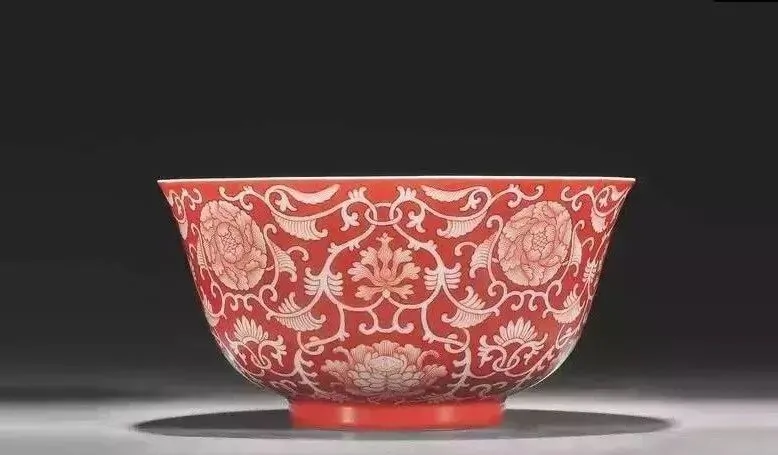
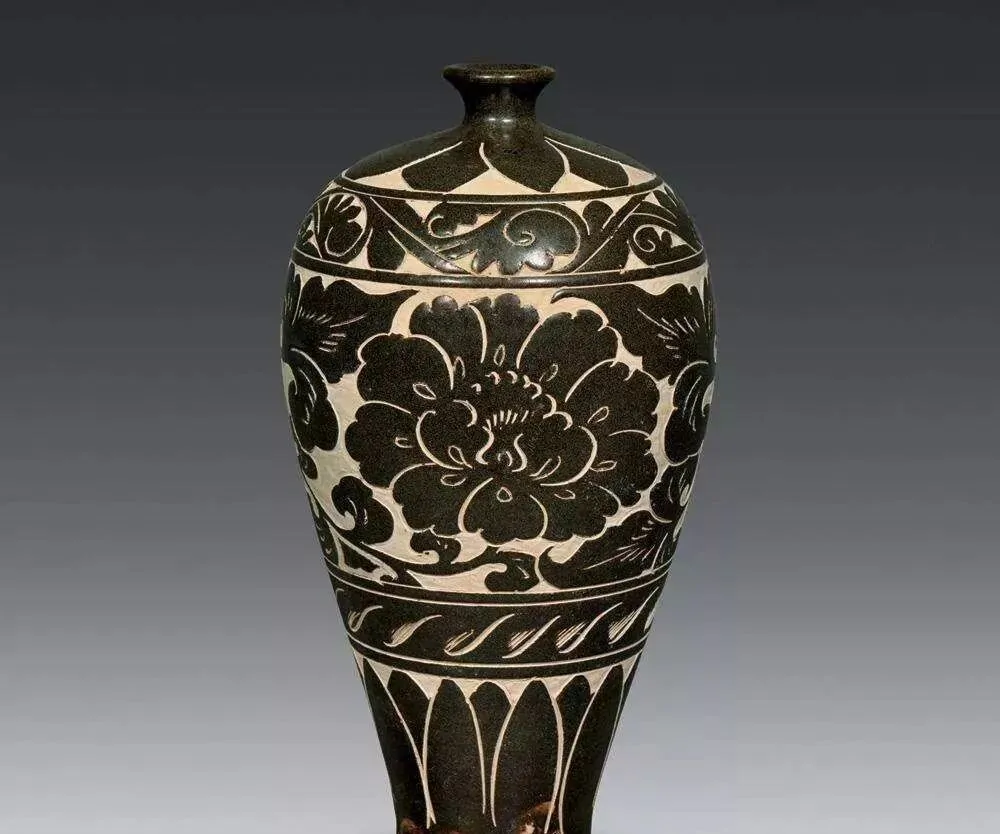
Private kilns that became famous on their own terms
Several private kiln traditions produced pieces now considered national treasures, and several blurred the official/private boundary by selling to the court without becoming state kilns themselves.
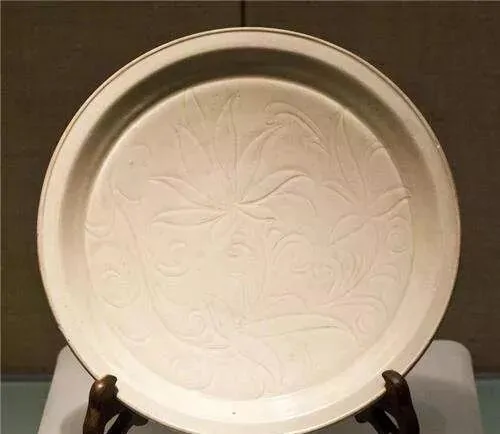
Ding kiln. The Hebei Ding kiln began as a private enterprise making utilitarian wares for daily use. The court began ordering from it in the Northern Song, a historic “private turned official” transition. Its white porcelain with incised decoration became one of the Five Great Famous Wares.
Cizhou kiln. The Cizhou kiln of Hebei was one of the Five Great Private Kilns, producing from the Northern Song a huge range of wares decorated with sgraffiato, coloured slips, underglaze blue and “three-colour” glazes. By the Ming it specialised in white-ground painted porcelain with subjects drawn from popular stories and everyday life. Its decorative invention had high historical value, even when the pieces themselves were not court porcelain.
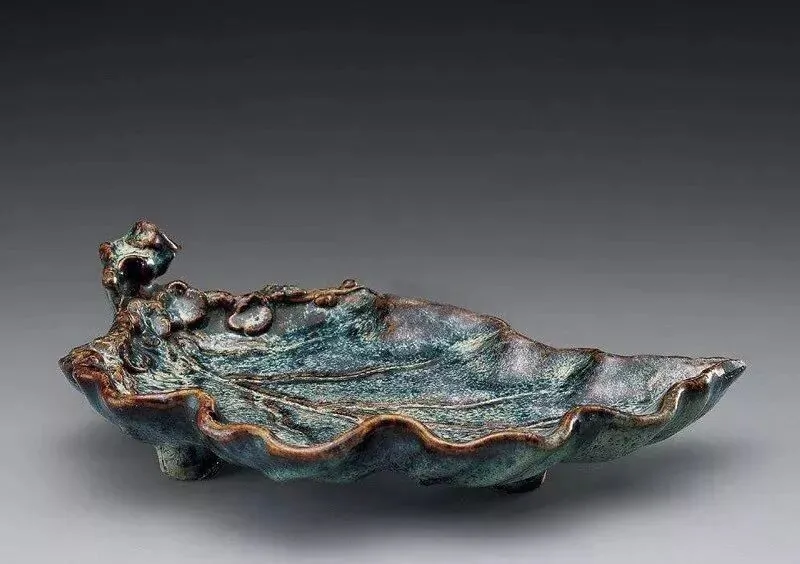
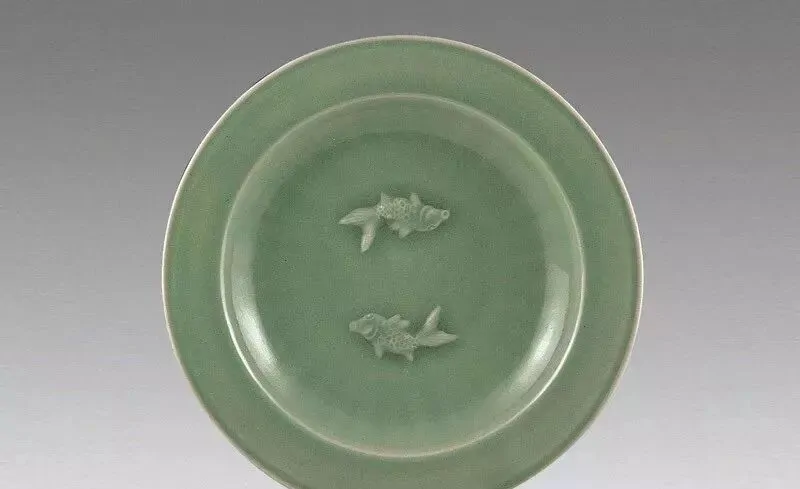
Other notable private kilns. The Longquan celadon group of Zhejiang produced wares collected internationally. The Jian kiln of Fujian, initially private, made the “oil-spot” and “hare’s-fur” tea bowls that were taken to Japan and valued as national treasures there. The Jizhou kiln of Jiangxi developed the distinctive leaf-patterned iron-rust glaze. And the Shawan kiln of Guangdong produced the sculptural, folk-flavoured wares that became a regional tradition.
Official kiln power in market terms
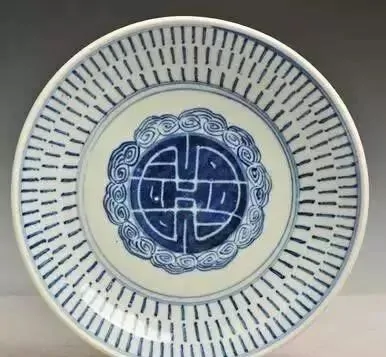
Collectors have always valued official kiln ware more highly, and the market continues to confirm that gap. The reason is straightforward: official kilns monopolised the best porcelain stone, the best potters and unlimited budget. Every step was supervised by officials, and the court sought the highest technical level of its age. Private kilns worked with limited materials, less specialised labour and tighter cost control.
Yet the absolute gap should not be overstated. Private kilns also produced works of national importance, and official kilns produced routine, undistinguished pieces. Auction records show private kiln wares reaching serious levels when they are rare, and official kiln reproductions — such as the blue-and-white revival pieces traced in the dynasty-by-dynasty blue-and-white history — can sit side by side with private kiln pieces at comparable prices depending on age and rarity.
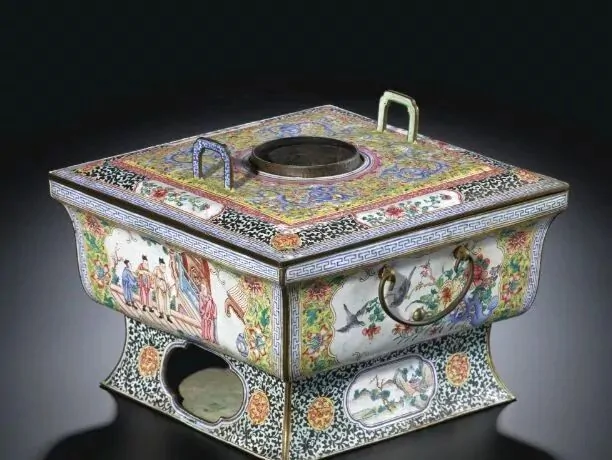
Looking at specific reigns, the technical ambition of the Yongzheng imperial workshops is documented in the meiping revival and the price levels they command in Yongzheng auction records. Private kiln pieces from the same periods, by contrast, rarely reach those heights.
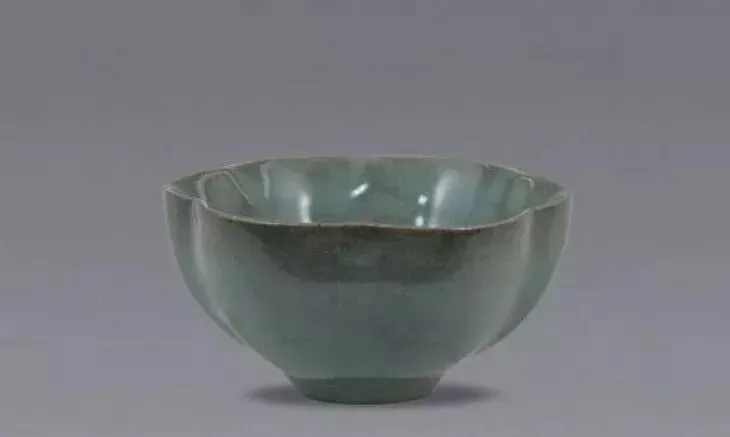
How to judge, not just label
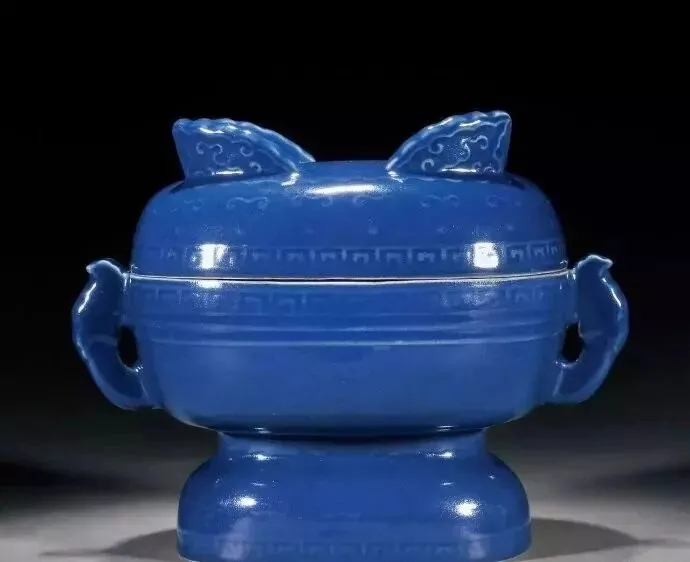
The real question for collectors is not “official or private?” but “does this piece represent the highest standard of its period?” That is the frame we use in our buyer’s guide and in the guan ware hierarchy article. Private kilns can produce masterpieces, official kilns can produce routine work. The historical value of porcelain does not depend on a single label; it depends on whether the piece stands as a representative of its age.
For buyers starting out, our guide to judging porcelain before purchase sets out the sequence, and the price ladder explains how official and private pieces are actually priced relative to each other.
Explore our collection
Browse the Jingdezhen Heritage collection for hand-made porcelain from official-kiln and private-kiln traditions, documented and sold as what they are.
Contact Jingdezhen Heritage
Questions about a piece, a glaze or an order? Email service@jingdezhenheritage.com or message us on WhatsApp. We reply within one working day.