
Walk through a serious Chinese porcelain showroom today and you will find newly made vases priced like antiques. They are not forgeries, and the sellers say so openly. The difference between a fake and an honest revival — and why the second category now reaches prices beyond most buyers — is what this article explains.
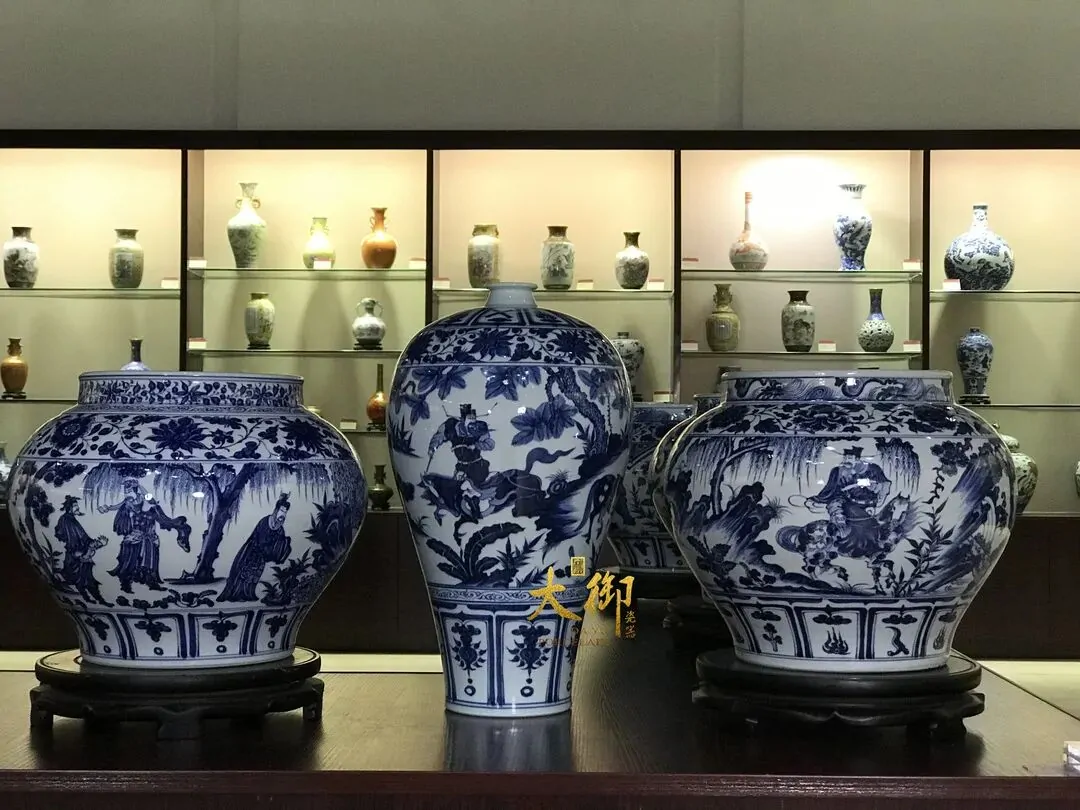
Fake, copy or original: three words, three price tags
Chinese collectors sort porcelain into three categories, and the sorting is stricter than the English word “fake” suggests. A wei (u4f2a) is made to deceive: its whole purpose is to pass as something it is not. A fang (u4eff) is a revival: it imitates an earlier style but is sold as what it is. A zhen (u771f) is the original. The intent behind the object, not the object itself, decides the word — and the price.
This is why we have argued before that imitation antiques are not fakes. A declared copy sold through honest channels carries no deception, and the market treats it accordingly. Veteran collectors go further: they actively hunt declared copies from earlier eras, because yesterday’s copies become today’s treasures. A Ming imitation of Song ware or a Qing imitation of Yuan ware has already survived several centuries on its own merits.
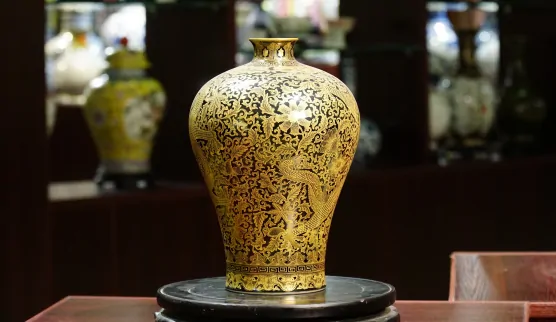
Why an honest revival signs its own name
One question troubles newcomers: many revivals bear an earlier reign mark, such as a Yongzheng or Qianlong mark, rather than the mark of the workshop that made them. Is that not deception? The answer from the trade is no. The mark records the model being honoured, an act of reverence for the past rather than a claim of identity; the sale itself is open, and reputable dealers state plainly that the piece is newly made.
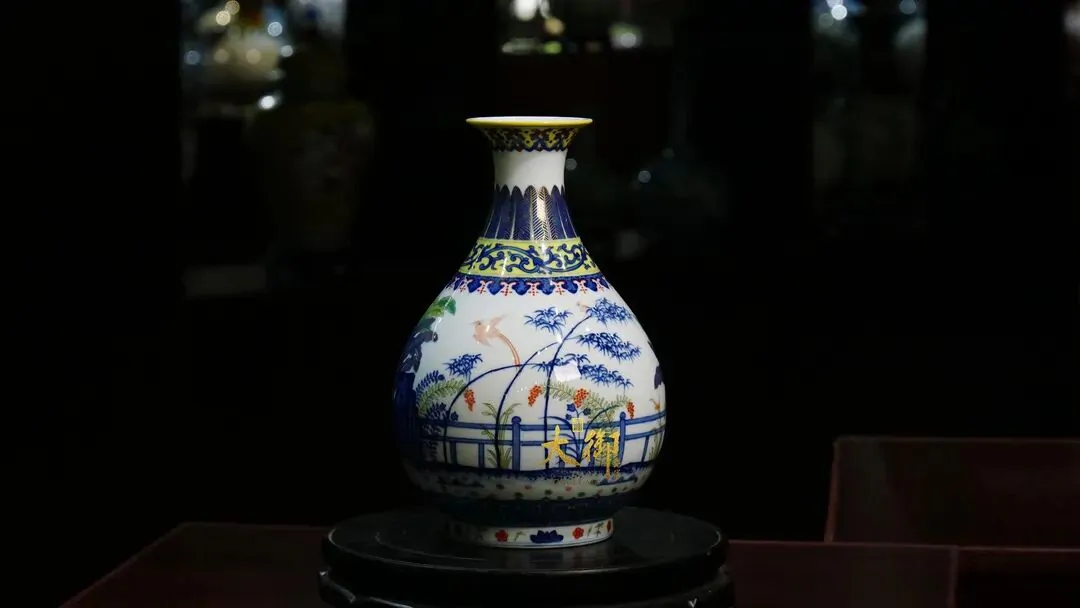
Why porcelain is the one craft allowed to look backwards
Imitation in most crafts invites suspicion. In porcelain it has been respectable for six centuries, for three practical reasons.
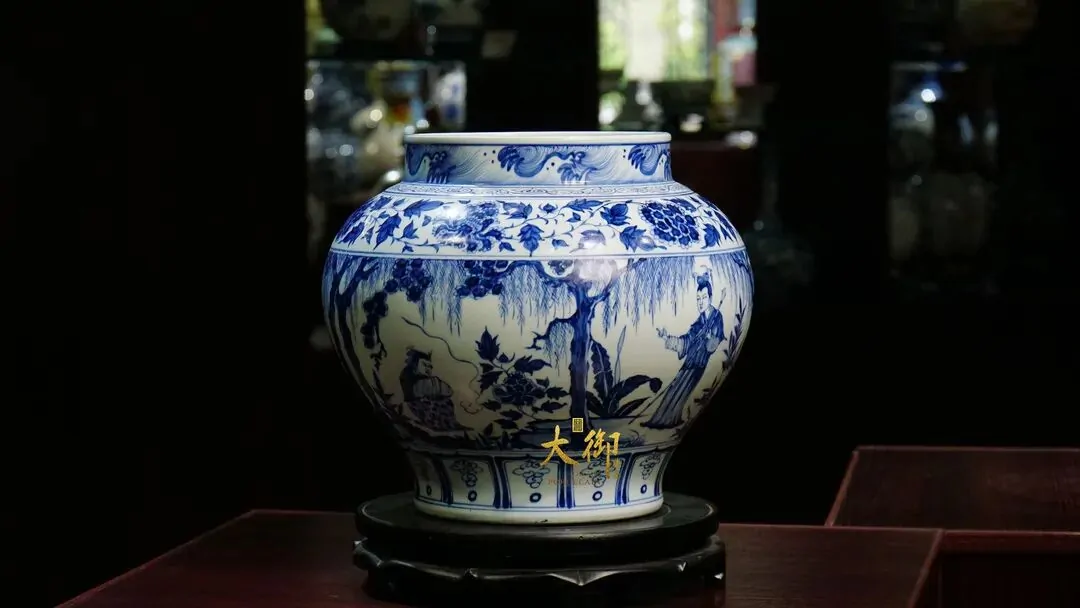
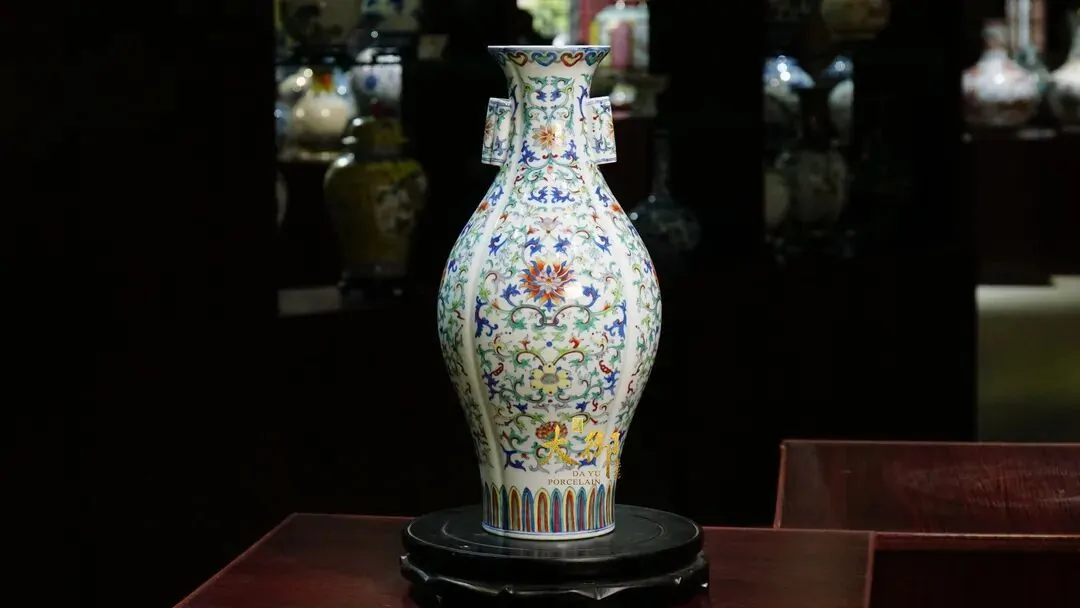
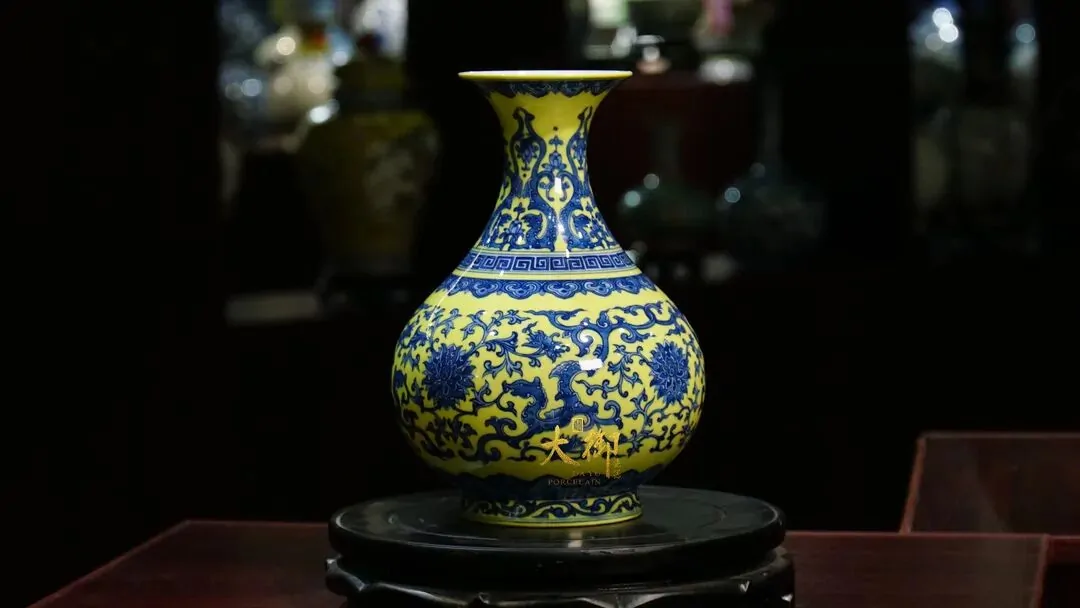
First, revivals never copy their own century. A workshop today imitates Yuan or Ming forms, not contemporary ones, so there is no modern product for a revival to be confused with. Second, each dynasty’s style is distinct and the originals are scarce. Yuan figure painting, Ming doucai and Qing monochromes are unmistakable signatures, and surviving originals of the finest quality are few. Third, porcelain is fragile. Wars, shipwrecks and plain domestic accidents have destroyed most of what was ever fired, which keeps honest revivals in demand.
There is also a status dimension. Under the imperial system, fine porcelain was a luxury reserved largely for the court, and emperors bestowed pieces on officials as marks of favour. Owning porcelain of palace quality — even a declared revival of it — still carries that aura. The lineage is long: as we set out in the four golden ages of archaistic porcelain, Ming kilns imitated Song, Qing kilns imitated Yuan and Ming, and each wave raised the craft’s technical ceiling.
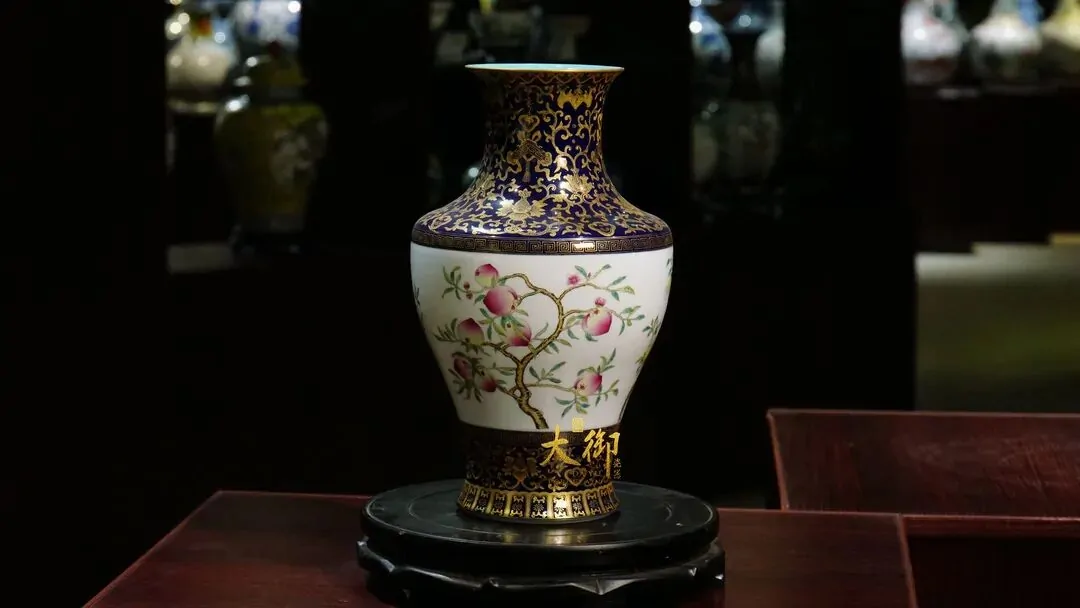
Recreating what was lost
Imitating an earlier age sounds easier than inventing something new. Potters know the opposite is true. A revival must reverse-engineer glazes whose written recipes are incomplete or lost, match firing curves that took imperial kilns decades to perfect, and reproduce brushwork that individual painters spent lifetimes developing. Recreating a lost glaze is harder than inventing a new one, because the target is fixed and unforgiving: the historical original hangs in a museum, and every shortfall is visible beside it.
The methods are well documented — from surmising formulas in old texts to refiring tests on sample tiles — and we describe them in the five methods behind Chinese revival wares. What the methods demand is patience measured in years, which is precisely where the value comes from.
Huang Yunpeng: the master the Palace Museum praised
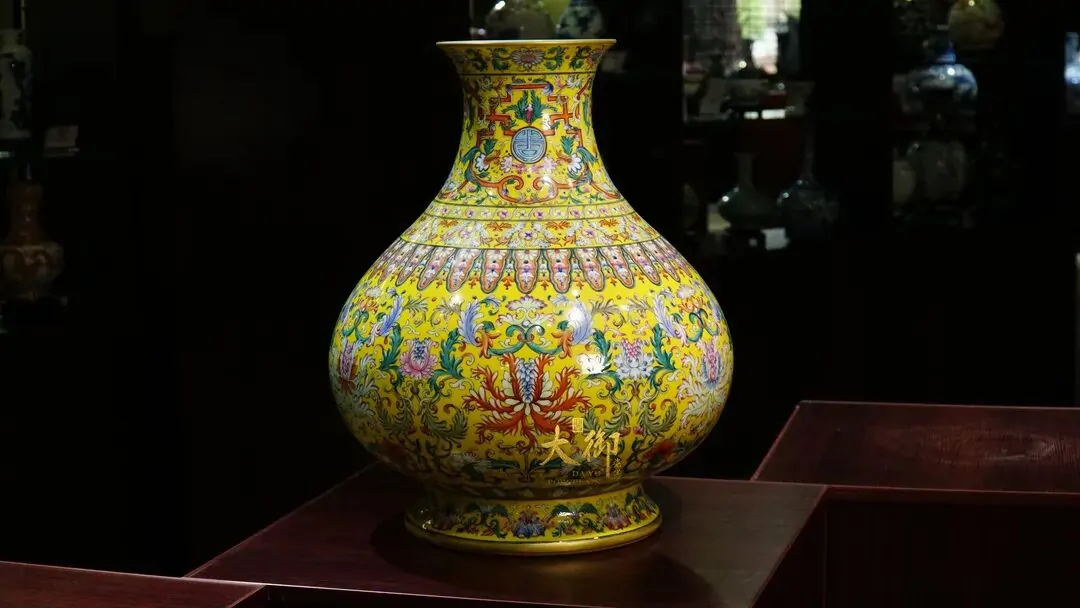
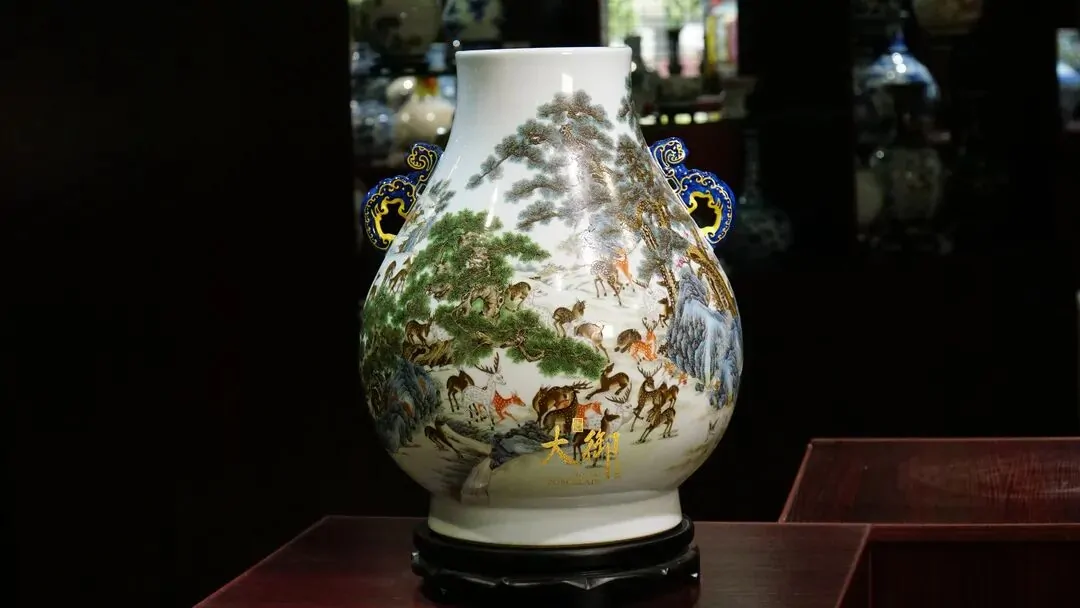
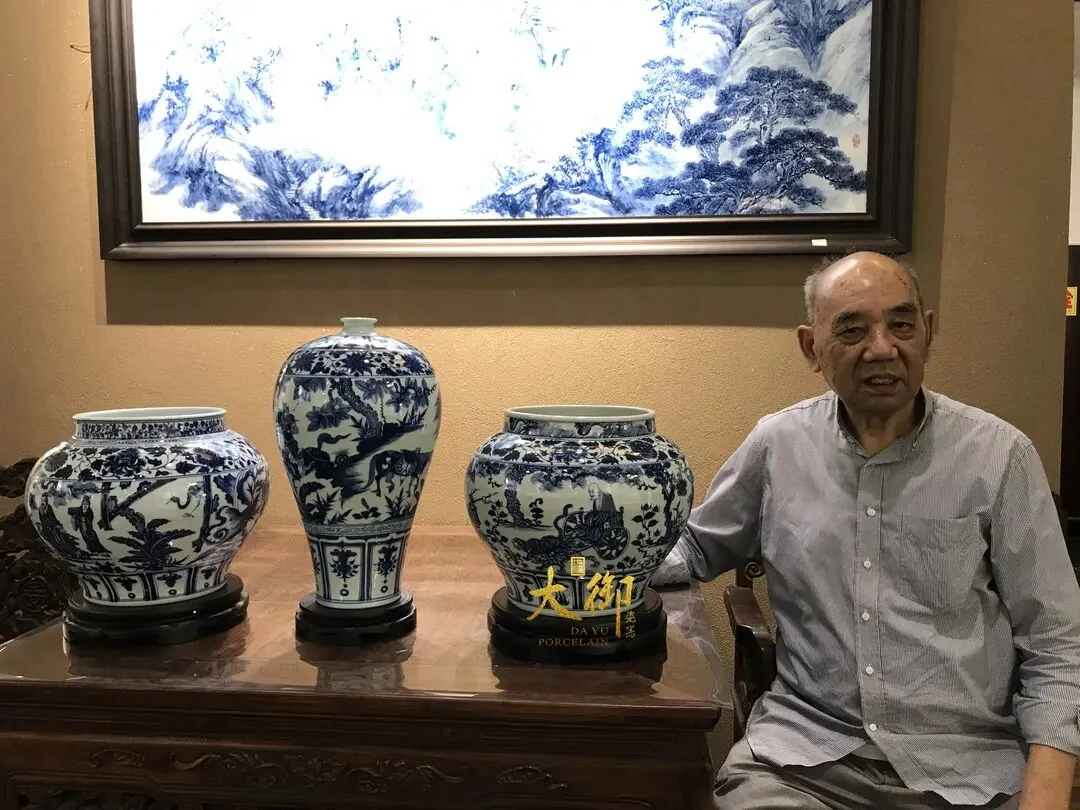
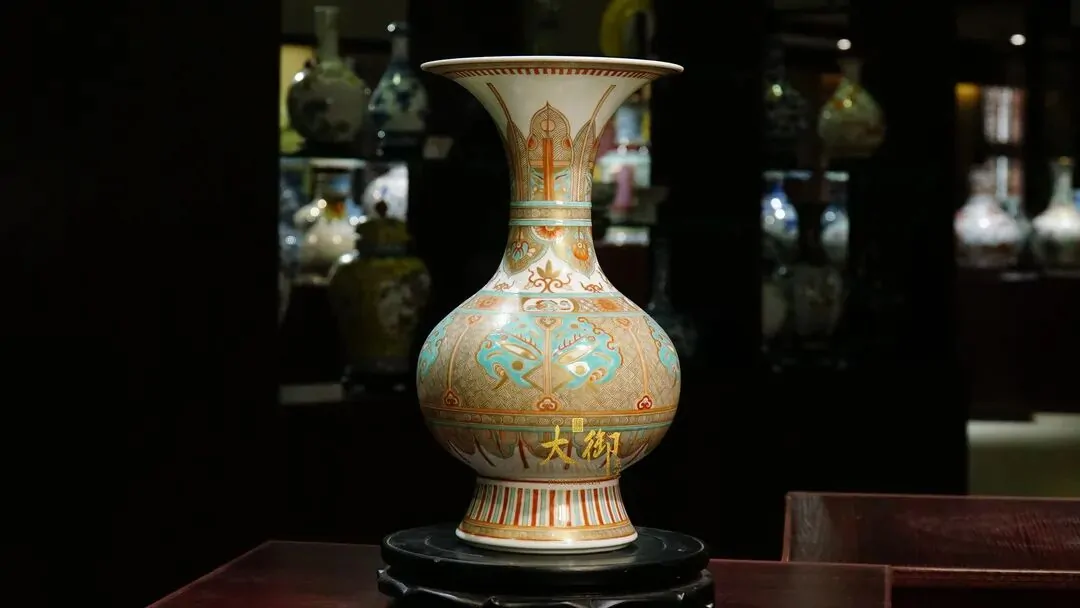
The standard-bearer of modern revival porcelain is Huang Yunpeng, widely called the first master of archaistic porcelain in Jingdezhen. Experts from the Palace Museum in Beijing examined his Yuan-style blue-and-white and judged it, in their words, nearly indistinguishable from the originals. He was the first master to furnish an entire national grade-two museum with revival porcelain, and his pieces are held by provincial and municipal museums across China.
The endorsement echoes a longer tradition of expert judgement: as the Palace Museum’s connoisseur Geng Baochang put it decades ago, when a revival can fool the experts, its value matches a national treasure. Few workshops reach that bar, which is why museum-grade revival porcelain remains a small, expensive field.
So why can most buyers not afford them?
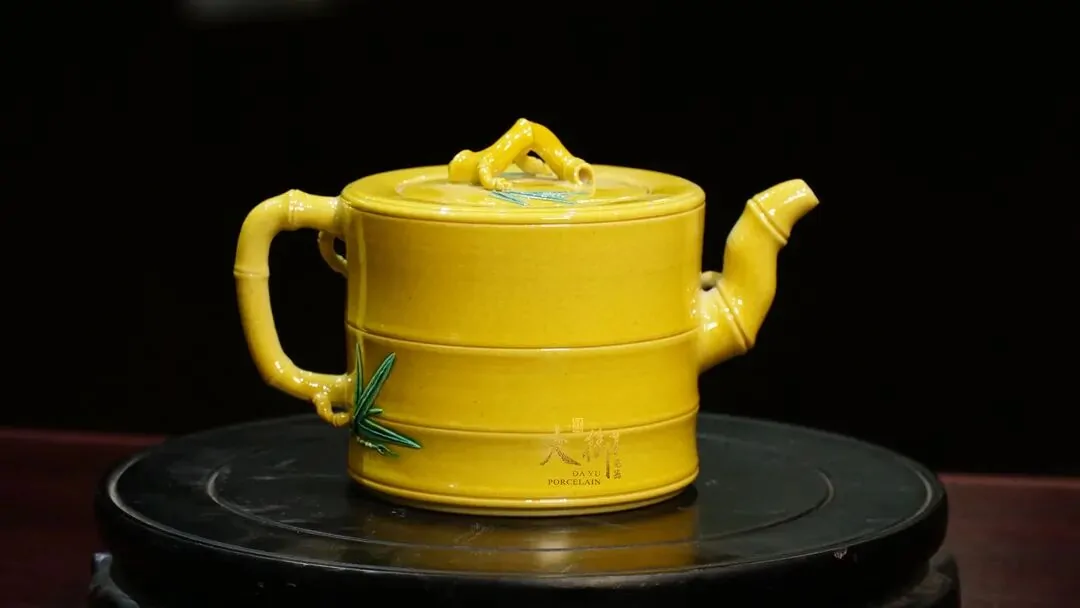
The source article’s blunt title — these revivals are beyond ordinary budgets — is arithmetic, not rhetoric. A museum-grade revival passes through dozens of hands and months of work: throwing, painting, glazing, firing, repeat firing for enamels, with a large share of pieces lost at every kiln opening. A named master produces only a limited number of finished works each year. Prices of five figures and above follow, and the auction record confirms the ceiling: thirteen Yongzheng-era revival pieces have sold for RMB 9.4 million and upwards, while earlier-declared copies from the Ming and Qing now outprice many originals. Our overview of what auction records show draws the same conclusion from a wider sample.
How should a newcomer begin?
Start with honesty tests, not price tags. Confirm the piece is hand-built rather than slip-cast, check that the dealer states the age and the model openly, and compare the painting quality against a museum photograph of the original. Handwork costs more up front and holds value; batch-produced decal work does neither. Our buyer’s guide to archaistic porcelain worth collecting walks through each check in order.
Why does archaistic porcelain matter?
Because it keeps a fragile chain of knowledge unbroken. Every honest revival carries a lost recipe, a forgotten firing curve or a dead painter’s brush logic back into the present, signed openly as what it is. That is not deception; it is how a craft survives its own history.
Explore Jingdezhen craftsmanship
Browse the Jingdezhen Heritage collection to see hand-made revival porcelain available today, each piece documented and sold as what it is.
Contact Jingdezhen Heritage
Questions about a piece, a glaze or an order? Email service@jingdezhenheritage.com or message us on WhatsApp. We reply within one working day.