
Archaistic porcelain u2014 fanggu ci, vessels made in the forms and glazes of earlier dynasties u2014 has been part of Chinese ceramic culture for nearly a thousand years. Far from being forgery, the finest examples are prized artworks in their own right, and collectors increasingly compete for them.
Why are genuine antiques so hard to own?
Jingdezhen has fired porcelain for more than a millennium, yet only a small fraction of that output survives. Porcelain is fragile, and centuries of war, transport and daily use have reduced the number of intact imperial pieces to a tiny pool.
The survivors sit far beyond the reach of most collectors. An imperial kiln piece from the Kangxi, Yongzheng or Qianlong reigns that reaches the market in good condition starts in the millions of yuan; the finest examples have sold for over a hundred million. Most of the rest are already locked away in private safes, institutional collections and national treasuries. Finding an authentic piece at a modest price is, realistically, about as likely as winning the lottery.
This scarcity is precisely why the Chinese tradition of archaism exists. Potters have always looked backwards u2014 not to deceive, but to recover the appearance of celebrated wares and to test their own skill against them.
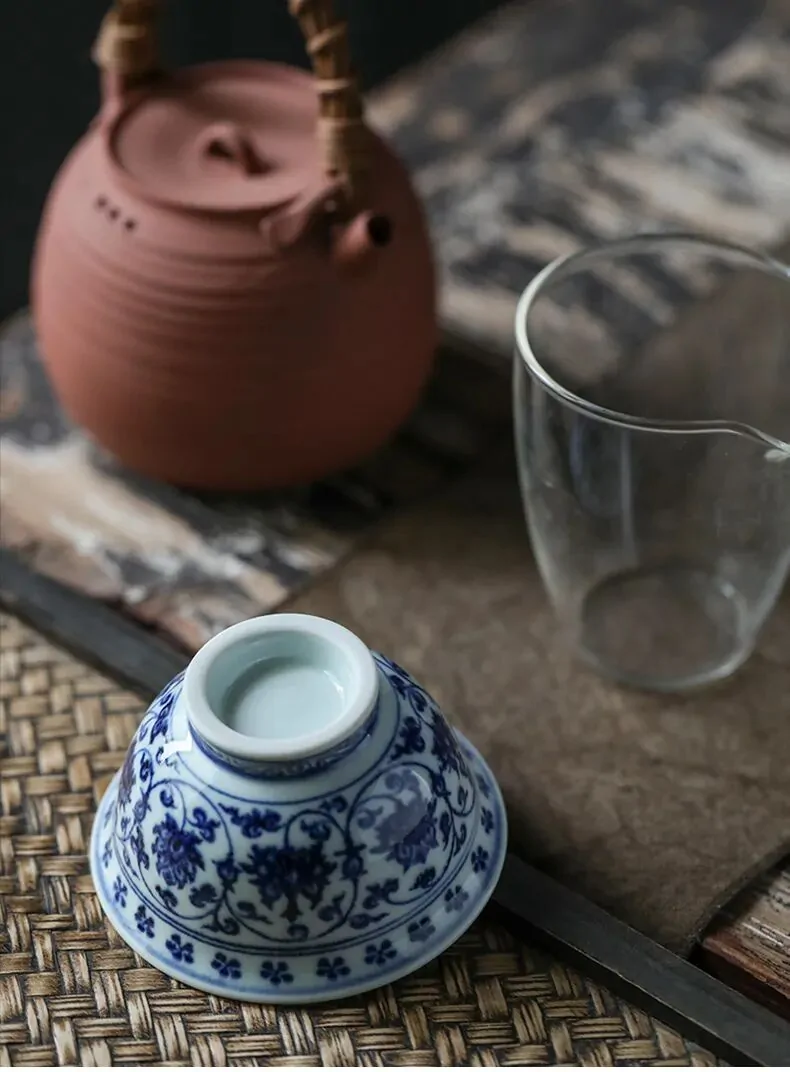
What is archaistic porcelain?
Archaistic porcelain (fanggu ci) is porcelain made in deliberate imitation of an earlier period’s celebrated wares. A potter may reproduce the glaze of a Song original, the form of a Ming vase, the painted decoration of a Qing piece u2014 or all three together.
It is not a marginal practice. Archaistic wares were produced in large quantities by both imperial and folk kilns, which is why so many survive today. They form a distinct and well-documented strand of Chinese ceramic history rather than an underworld of counterfeits.
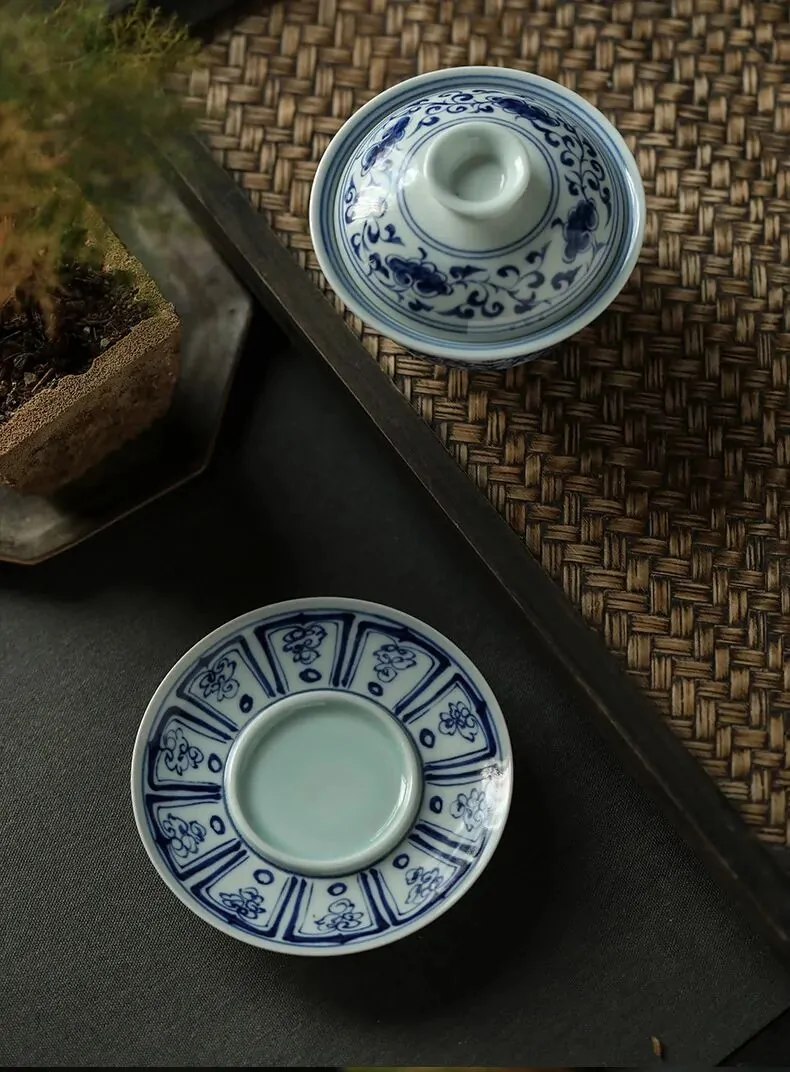
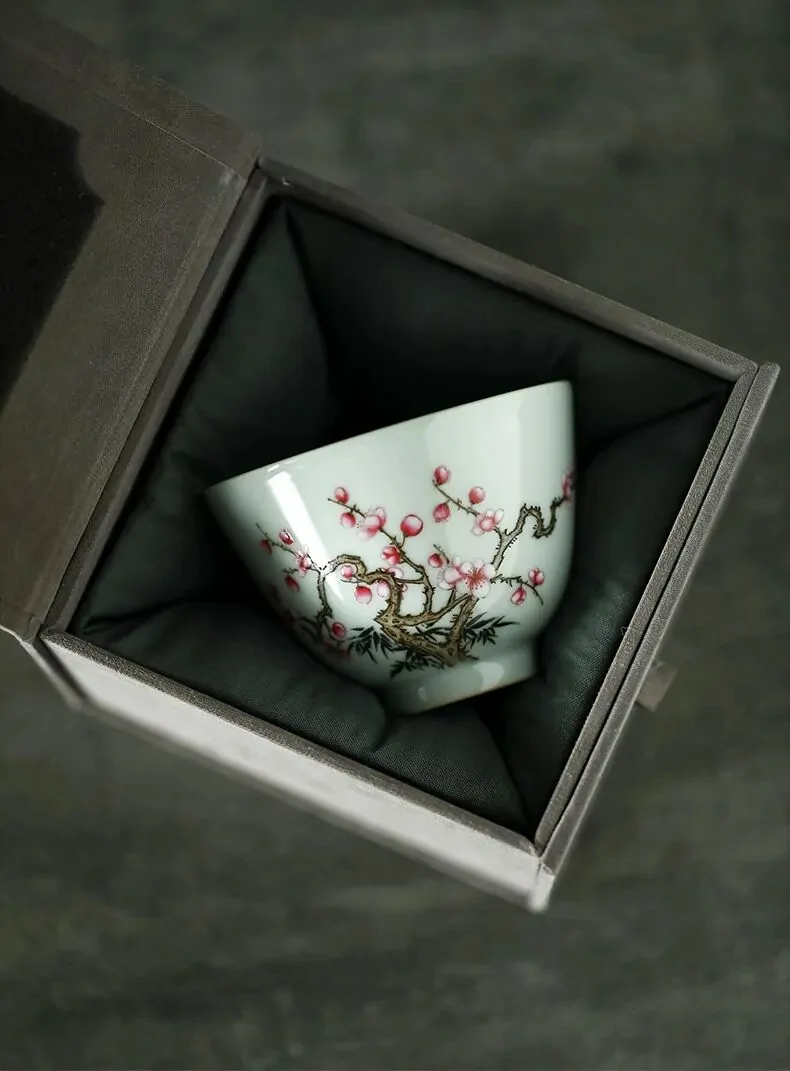
How did archaistic porcelain develop?
The practice has a clear historical arc:
- Song dynasty (960u20131279): the first flowering of archaism. Song potters themselves revived archaic bronze and jade forms in ceramic.
- Yuan dynasty (1271u20131368): archaistic production took shape as a recognisable category.
- Ming dynasty (1368u20131644): the craft matured, with imperial kilns systematically imitating the great Song wares.
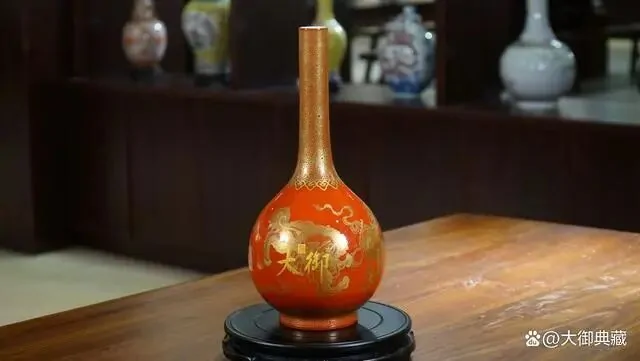
- Early Qing (1644 to the late eighteenth century): the peak. As Jingdezhen’s technical ability reached its height under the Kangxi, Yongzheng and Qianlong emperors, so did archaism u2014 Qing imperial kilns famously recreated Ming sacrificial red (jihong) glazes and the celebrated wares of the five great Song kilns. The relationship between reign periods and their marks is explored in our guide to earlier reign marks on Chinese porcelain.
- Late Qing onwards: a decline, followed by a vigorous modern revival.
The motives varied u2014 reverence for antiquity, love of the older art, and sometimes simple profit. What is striking is what time has done to these wares. Qing archaistic pieces that once sold for less than the originals they echoed now achieve comparable u2014 occasionally higher u2014 prices at auction. A Kangxi-period imitation of a Song guan glaze is today an antique in its own right, valued for the mastery it demanded.
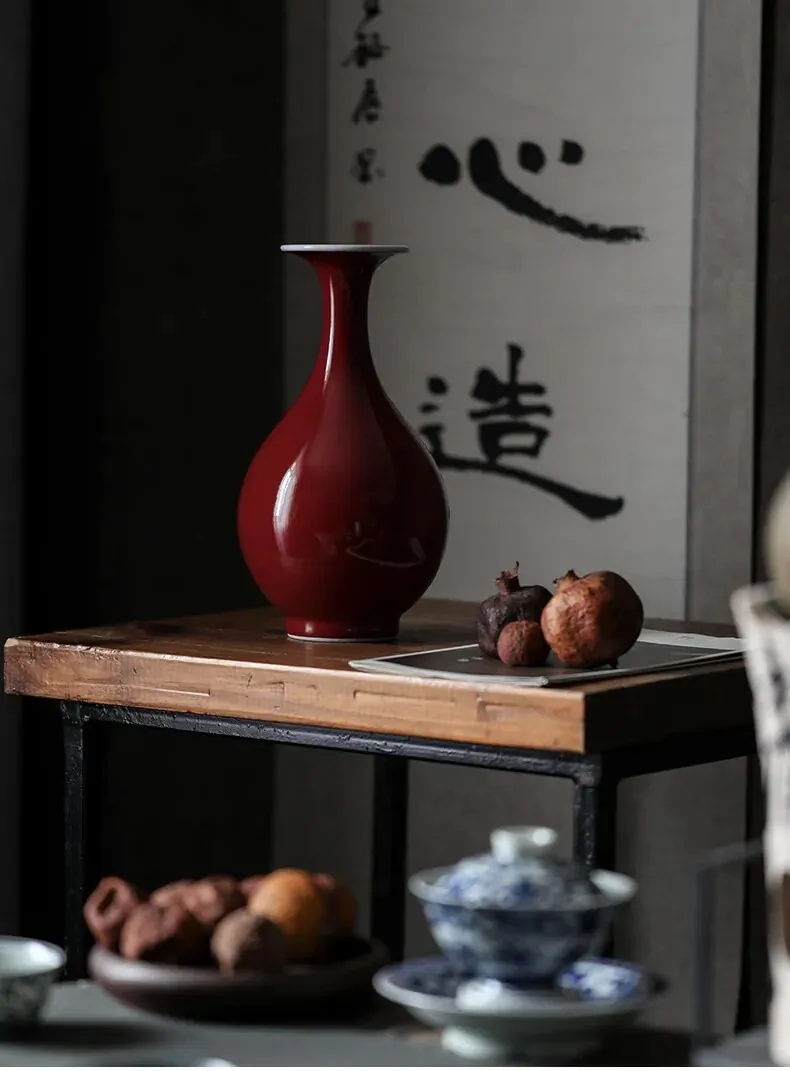
Why archaistic porcelain is not a fake
The word “fake” implies an intent to deceive and a shortcut in making. Fine archaistic porcelain involves neither.
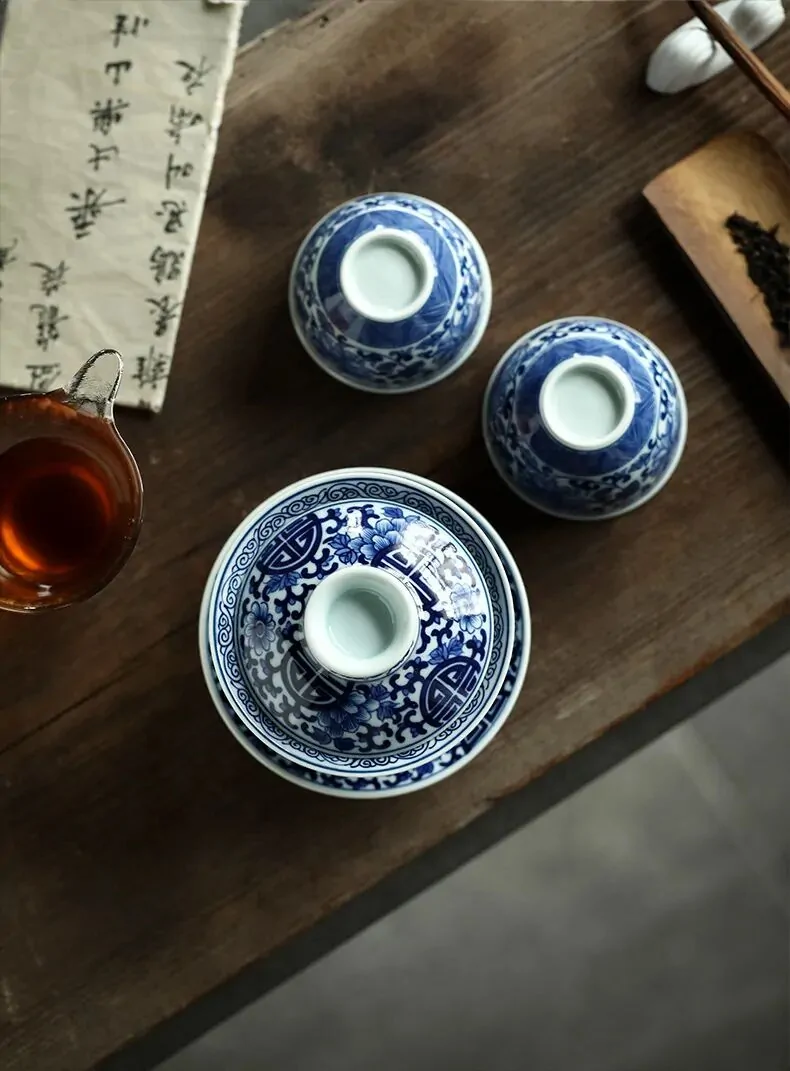
A serious archaistic piece is not a bulk copy. It is an attempt to recover a lost standard of making. Contemporary Jingdezhen artisans working in this tradition aim for the unity of three qualities u2014 form, colour and spirit (xing, se, yun). Matching the silhouette of a Yongle vase is only the beginning; the glaze must sit and fire as the original did, and the finished piece must carry the same presence. Our article on how Chinese porcelain is copied shows how demanding each of these methods is.
The question of whether revival porcelain is “fake” has a settled answer among specialists: it is a parallel tradition, judged on its own merits.
What gives archaistic porcelain its value?
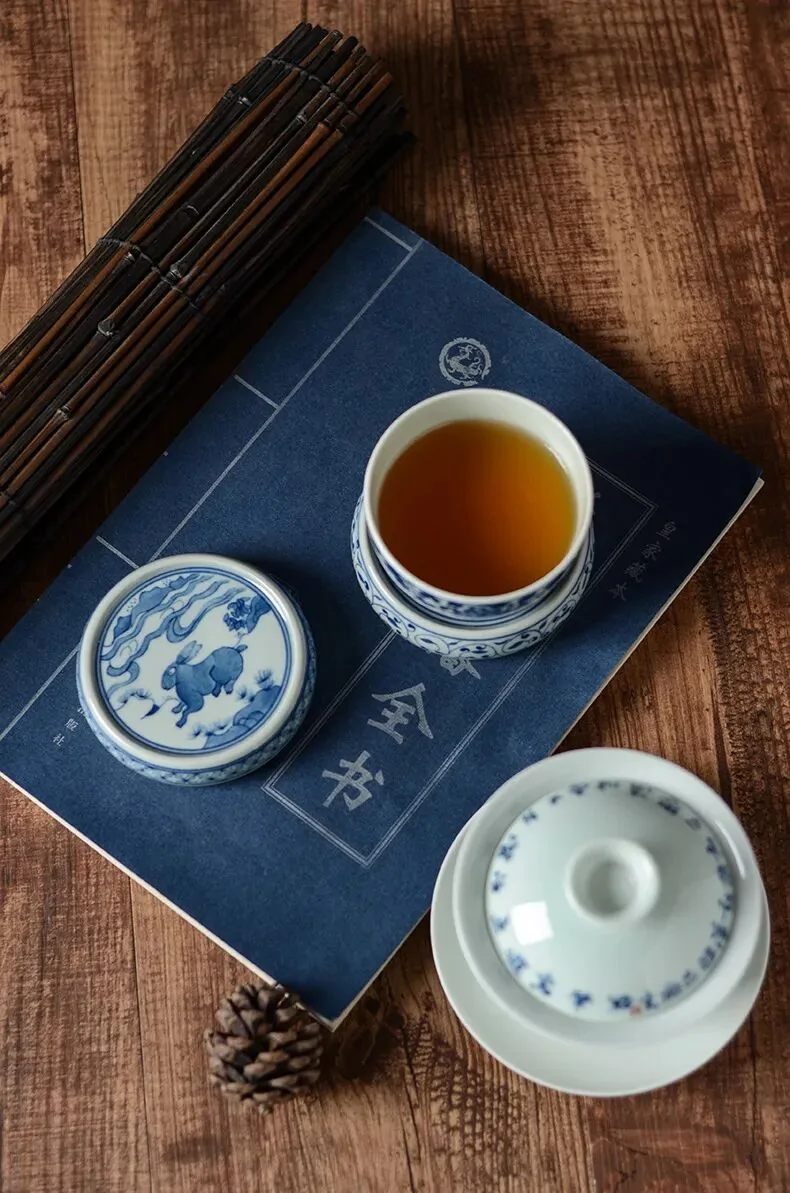
It is re-creation, not repetition. Artistic imitation works at a deeper level than surface resemblance. The aim is to reproduce the spirit of the object u2014 its proportion, weight and quiet authority u2014 which places the work in the category of artistic re-creation rather than reproduction.
It preserves endangered skills. Recreating a centuries-old ware is painstaking research. Many historic techniques and raw material recipes were lost; recovering them means combing old texts, testing clay bodies and glaze formulas, and rebuilding firing schedules from scratch. This work directly sustains the handcraft tradition described in our account of Jingdezhen’s thousand-year history. A fine archaistic piece embodies not only visible likeness but also invisible labour.
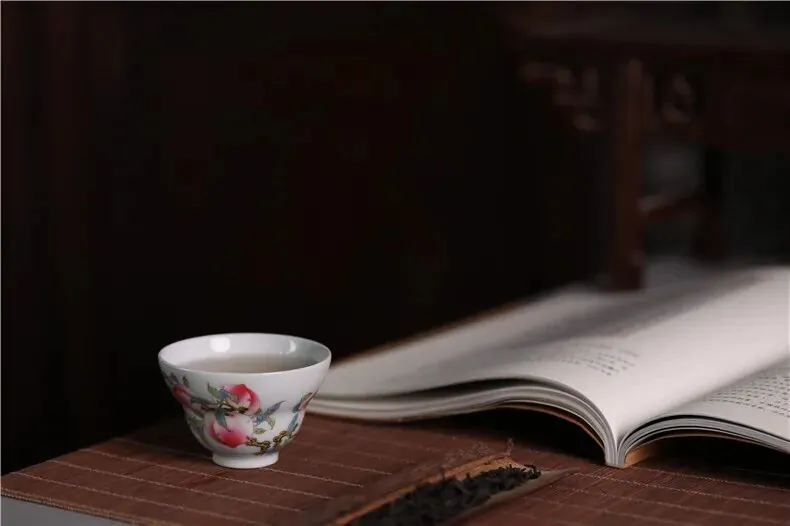
It widens access to great art. Many famous wares survive in such small numbers that most people will never see one outside a museum case. High-quality archaistic porcelain fills that gap, allowing collectors and tea drinkers to handle, use and live with the forms and glazes of the great periods.
The market agrees. Archaistic porcelain has long been accepted within serious collecting, and specialists u2014 including former Palace Museum experts u2014 now pay close attention to contemporary art porcelain and high-grade archaistic wares. Beyond collecting, these pieces suit refined interiors and make distinguished gifts.
Does archaistic porcelain deserve a place in a collection?
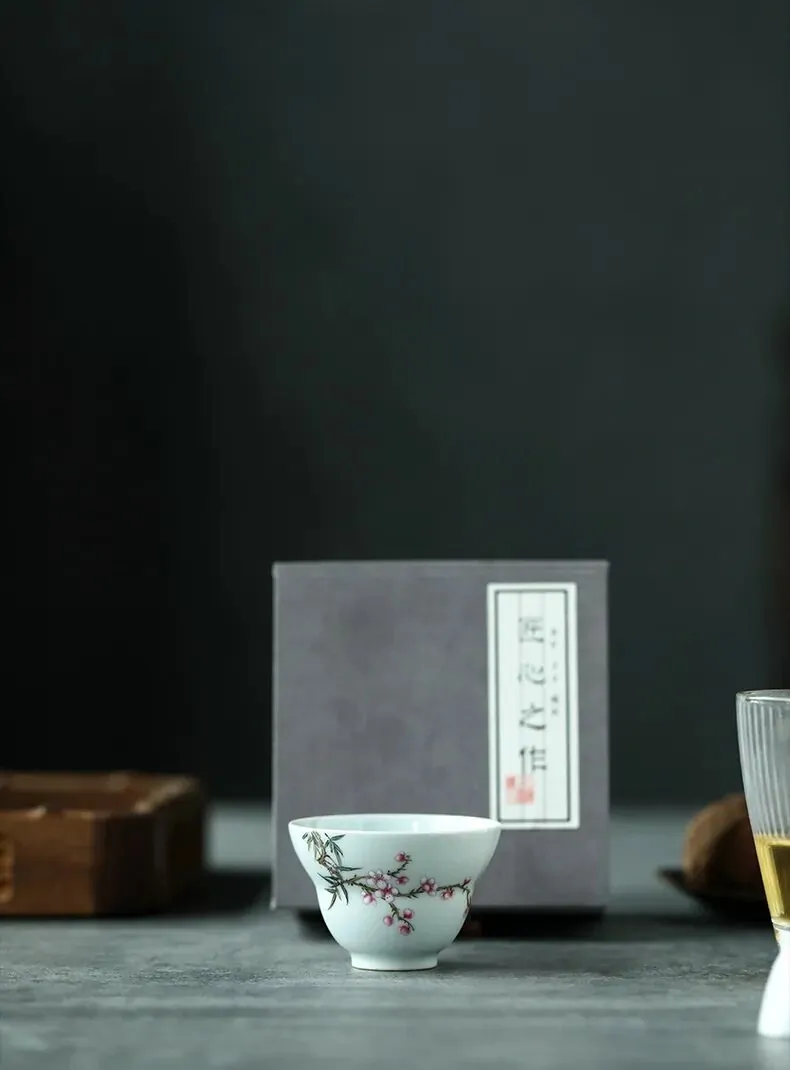
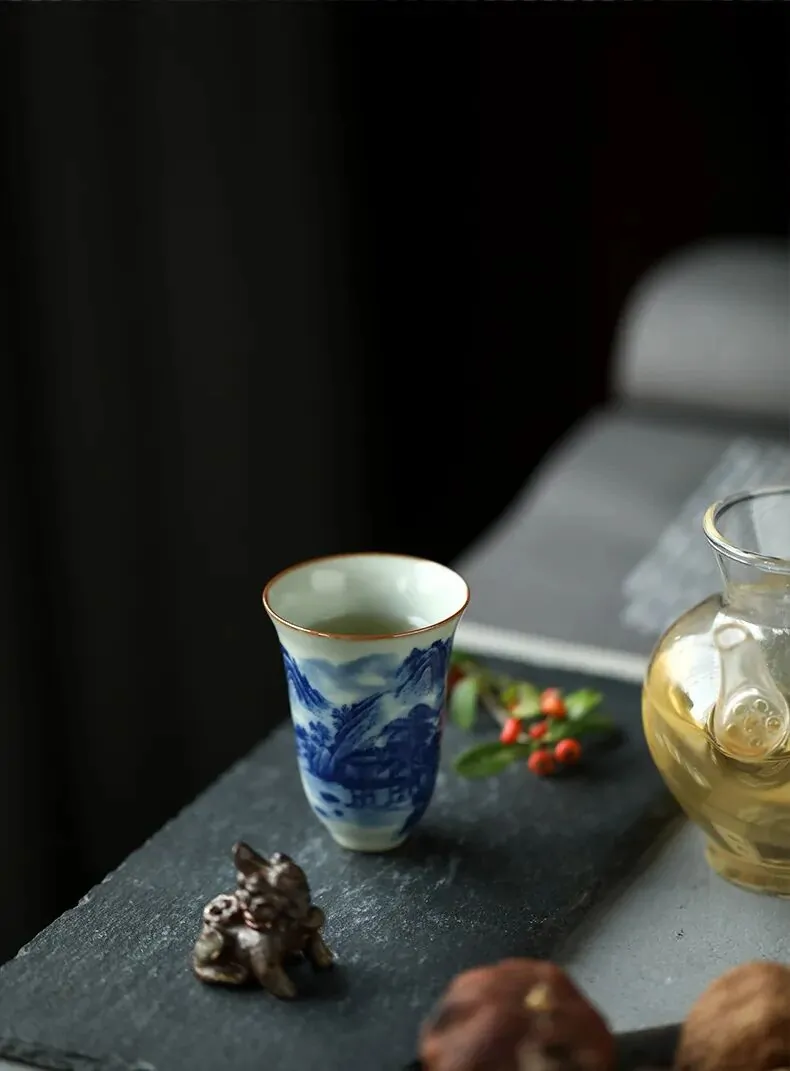
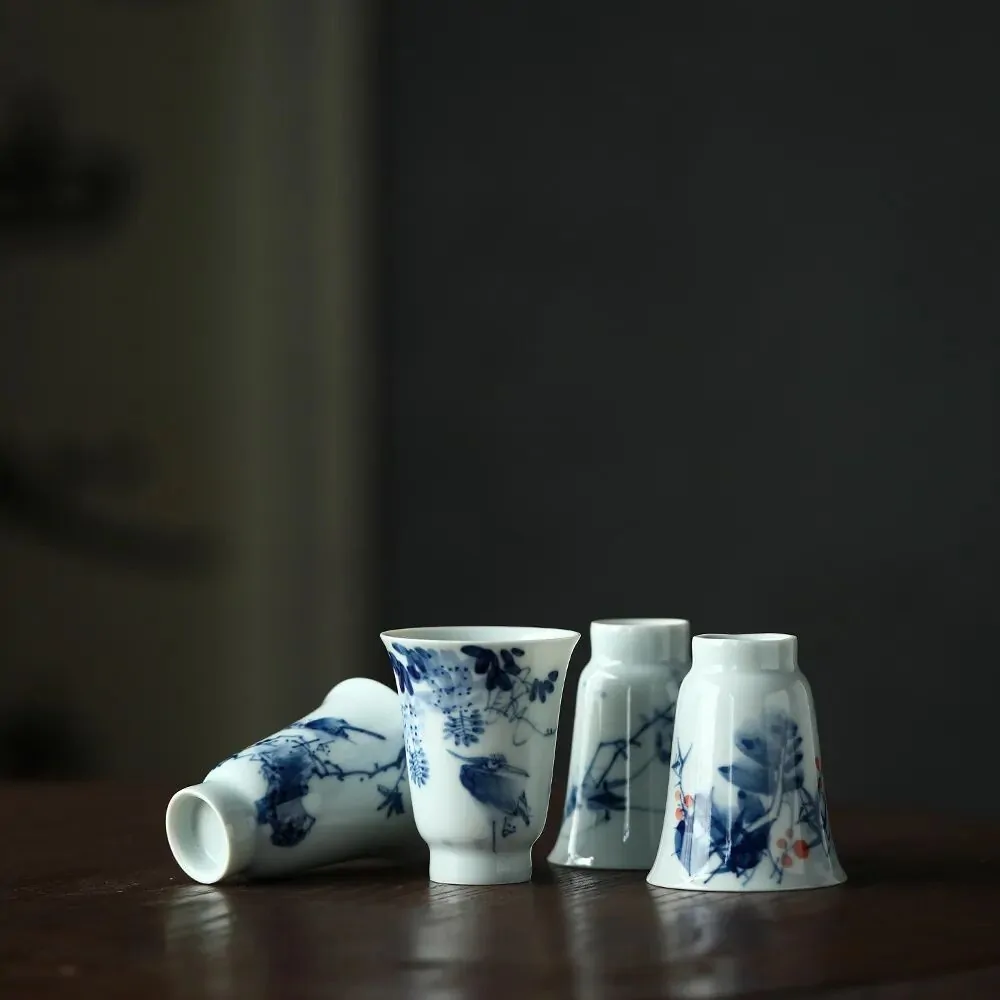
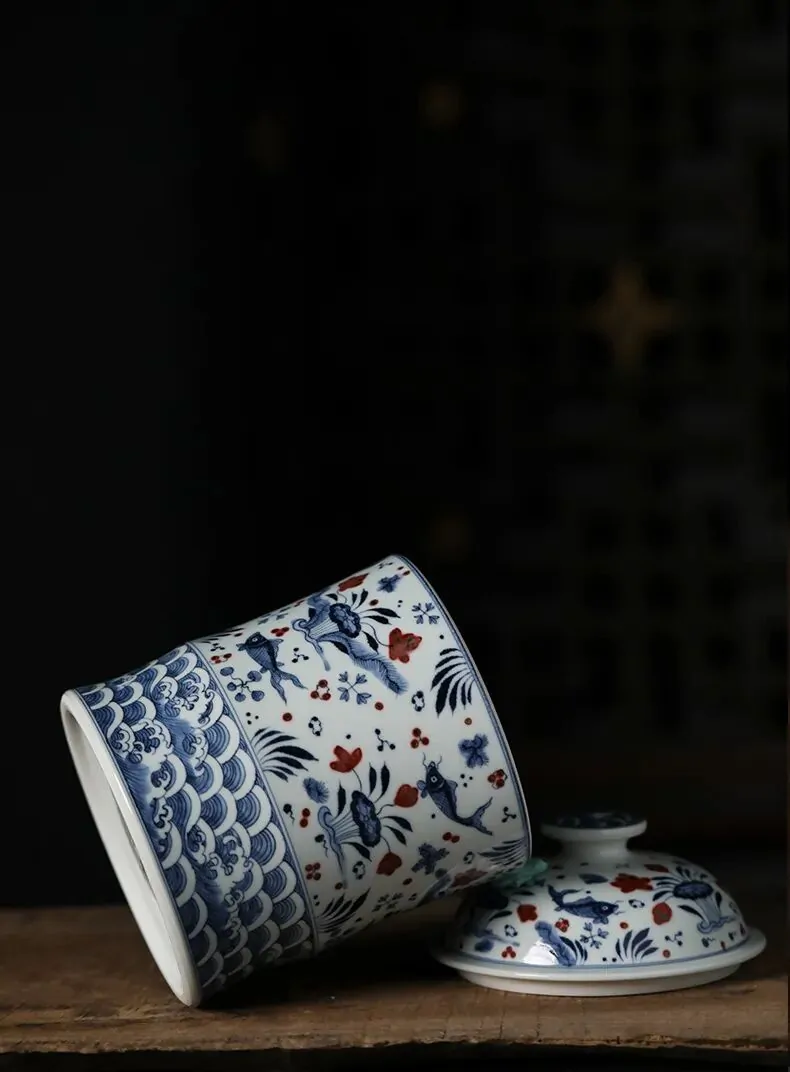
Yes u2014 provided it is bought as what it is. An honestly presented archaistic piece from a skilled Jingdezhen workshop offers genuine artistic merit, a connection to lost craft techniques, and a price far below that of a period original. What matters is that seller and buyer both understand the piece as a modern homage to a historic classic, not as the classic itself.
Explore Jingdezhen craftsmanship
Jingdezhen Heritage works with workshops that continue these traditions u2014 handmade blue-and-white, famille rose and archaistic pieces fired in Jingdezhen. Browse the collections to see how historic forms and glazes live on in contemporary handmade porcelain.
Contact Jingdezhen Heritage
For enquiries about any piece, custom orders or wholesale, email us at service@jingdezhenheritage.com or message us on WhatsApp.