-
25 Carving and Texturing Techniques for Ceramic Art
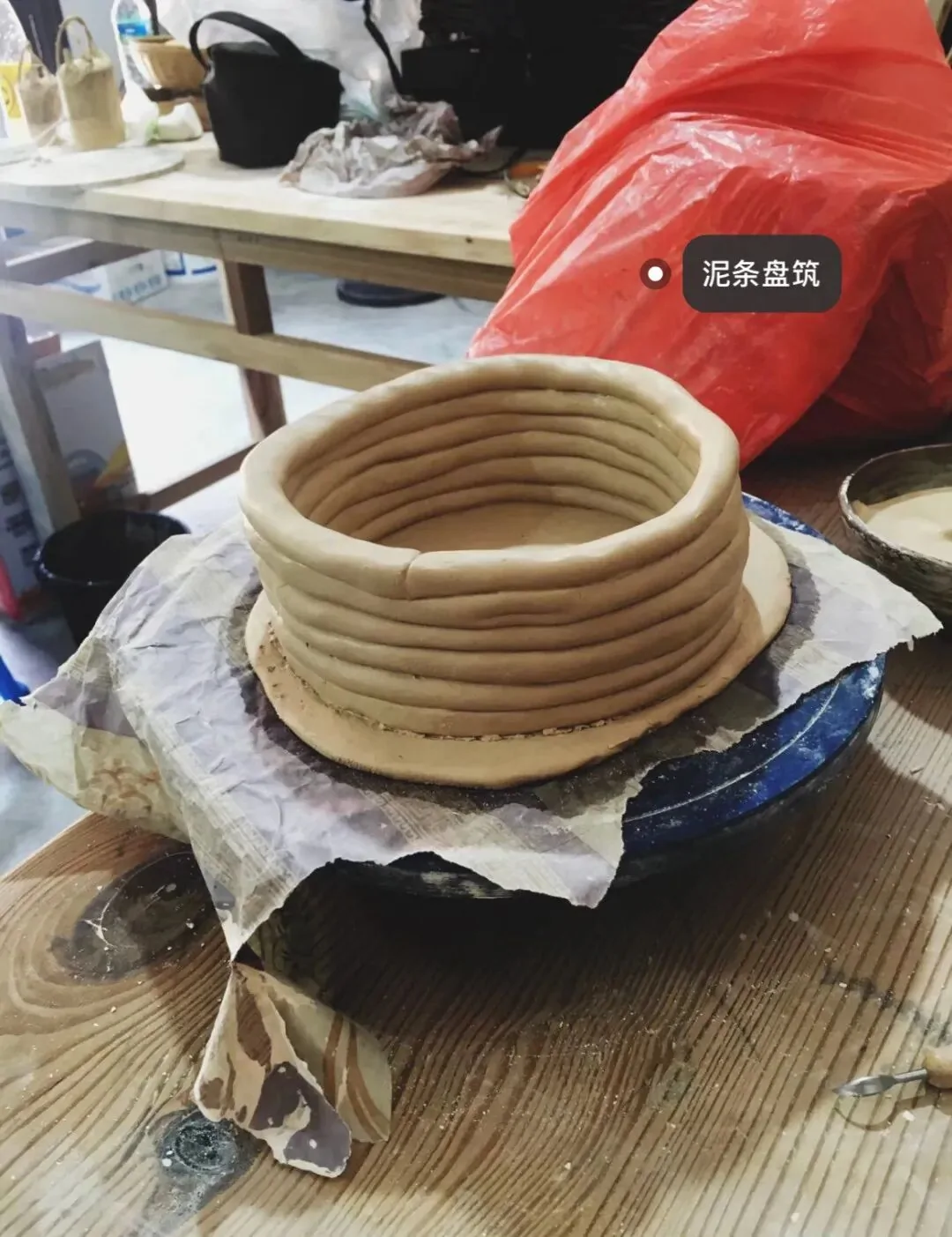
View Details: 25 Carving and Texturing Techniques for Ceramic Art Read Article: 25 Carving and Texturing Techniques for Ceramic ArtThe beauty of a ceramic object comes partly from the clay’s plasticity and partly from the marks a tool leaves on it. Carving and texturing are…
-
The Porcelain King: Qianlong’s Vase of Sixteen Glazes
View Details: The Porcelain King: Qianlong’s Vase of Sixteen Glazes Read Article: The Porcelain King: Qianlong’s Vase of Sixteen GlazesIn the Palace Museum in Beijing stands a single vase that is routinely called the “Porcelain King” (中华瓷王, Zhōnghuá Cíwáng). Its formal name is the Qianlong…
-
Clay Process Properties: Plasticity, Thixotropy and Firing
View Details: Clay Process Properties: Plasticity, Thixotropy and Firing Read Article: Clay Process Properties: Plasticity, Thixotropy and FiringSix properties decide how a clay behaves in the workshop: plasticity (可塑性, kěsùxìng), binding power (结合性, jiéhéxìng), thixotropy (触变性, chùbiànxìng), drying behaviour (干燥性能, gānzào xìngnéng), sintering…
-
History of Jingdezhen Sculpture Porcelain: Sui to Qing
View Details: History of Jingdezhen Sculpture Porcelain: Sui to Qing Read Article: History of Jingdezhen Sculpture Porcelain: Sui to QingSculpture porcelain (雕塑瓷, diāosù cí) is porcelain formed by sculpting, pinching, stacking or carving clay into figures, animals, flowers and other forms, or by incising, carving…
-
Jingdezhen Porcelain Sculpture: Four Core Techniques and Production
View Details: Jingdezhen Porcelain Sculpture: Four Core Techniques and Production Read Article: Jingdezhen Porcelain Sculpture: Four Core Techniques and ProductionJingdezhen porcelain sculpture (景德镇瓷雕, Jǐngdézhèn cídiāo) is three-dimensional art formed from porcelain clay and fired at high temperature. Its subjects are broad, its techniques varied, and…
-
Slip Casting Workflow: Mould Preparation, Casting and Finishing
View Details: Slip Casting Workflow: Mould Preparation, Casting and Finishing Read Article: Slip Casting Workflow: Mould Preparation, Casting and FinishingSlip casting (注浆成型, zhùjiāng chéngxíng) is the backbone of sanitary ware, tableware and complex hollow-formed porcelain. A good cast depends not only on the slip and…
-
Glaze Pinholes and Bubbles: Forming-Side Causes and Prevention
View Details: Glaze Pinholes and Bubbles: Forming-Side Causes and Prevention Read Article: Glaze Pinholes and Bubbles: Forming-Side Causes and PreventionGlaze pinholes and bubbles (釉面针孔, yòumiàn zhēnkǒng) are among the most common fired-surface defects in porcelain. While firing is often blamed, the root cause frequently lies…
-
Ceramic Slurry Iron Removal: Magnetic Separation, Physics and Process Control
View Details: Ceramic Slurry Iron Removal: Magnetic Separation, Physics and Process Control Read Article: Ceramic Slurry Iron Removal: Magnetic Separation, Physics and Process ControlCeramic slurry iron removal (浆料除铁, jiāngliào chútiě) is one of the most consequential preparation stages in fine porcelain production. As demand for high-grade ceramic ware rises,…
-
Ceramic Glaze Dullness: Origins of Matte Surfaces and Their Prevention
View Details: Ceramic Glaze Dullness: Origins of Matte Surfaces and Their Prevention Read Article: Ceramic Glaze Dullness: Origins of Matte Surfaces and Their PreventionCeramic Glaze Dullness: Origins of Matte Surfaces and Their Prevention Glaze dullness (Chinese: u91c9u9762u65e0u5149, pinyin: yu00f2u miu00e0n wu00fa guu0101ng) is one of the most visually apparent…
-
Ceramic Drying Dynamics: Heat Transfer, Diffusion and Rate-Controlling Factors
View Details: Ceramic Drying Dynamics: Heat Transfer, Diffusion and Rate-Controlling Factors Read Article: Ceramic Drying Dynamics: Heat Transfer, Diffusion and Rate-Controlling FactorsCeramic Drying Dynamics: Heat Transfer, Diffusion and Rate-Controlling Factors Drying (Chinese: u5e72u71e5, pinyin: gu0101n zu00e0o) removes moisture from the green ceramic body before firing. Unlike firing…