
-
Copper Red Glaze: Why the Hardest Colour in Porcelain Is Red
View Details: Copper Red Glaze: Why the Hardest Colour in Porcelain Is Red Read Article: Copper Red Glaze: Why the Hardest Colour in Porcelain Is RedCopper red is the only true red in high-fired porcelain, and it is the most difficult colour in the medium. The colour comes from copper oxide,…
-
Song Ceramics: The Five Great Wares Explained
View Details: Song Ceramics: The Five Great Wares Explained Read Article: Song Ceramics: The Five Great Wares ExplainedSong ceramics (960u20131279) are the reference point against which Chinese pottery is usually judged. Not because they are the oldest or the most technically ambitious, but…
-
Earthenware vs Stoneware vs Porcelain: What’s the Difference?
View Details: Earthenware vs Stoneware vs Porcelain: What’s the Difference? Read Article: Earthenware vs Stoneware vs Porcelain: What’s the Difference?Earthenware, stoneware and porcelain are not three styles. They are three outcomes of the same process, decided by two variables: what is in the clay and…
-
Meiping Vase: Shape, Proportion and Why It Matters
View Details: Meiping Vase: Shape, Proportion and Why It Matters Read Article: Meiping Vase: Shape, Proportion and Why It MattersThe mu00e9ipu00edng (u6885u74f6) is the most recognisable silhouette in Chinese porcelain and the easiest to misjudge. It is a tall jar with a small mouth, a…
-
What Is the Heritage Classic? China’s Classic Industries in 2026
View Details: What Is the Heritage Classic? China’s Classic Industries in 2026 Read Article: What Is the Heritage Classic? China’s Classic Industries in 2026The short answer: the “heritage classic” is a Chinese policy category u2014 lu00ecshu01d0 ju012bngdiu01cen chu01cenyu00e8 (u5386u53f2u7ecfu5178u4ea7u4e1a), usually translated as “historically classic industries”. It covers the small…
-
Intangible Heritage and Trend Toys: How Old Crafts Reach Young Buyers
View Details: Intangible Heritage and Trend Toys: How Old Crafts Reach Young Buyers Read Article: Intangible Heritage and Trend Toys: How Old Crafts Reach Young BuyersThree collaborations in eighteen months moved the craft-and-collectible debate into new territory. A dough-figurine master in Wuhu turned designer characters into hand-pinched figures and drew queues…
-
Ceramic Trend Toys: Inside Jingdezhen’s Forty-Metre Bowl
View Details: Ceramic Trend Toys: Inside Jingdezhen’s Forty-Metre Bowl Read Article: Ceramic Trend Toys: Inside Jingdezhen’s Forty-Metre BowlOn the western edge of Jingdezhen stands a building shaped like a bowl: forty metres high, eighty metres across the rim, large enough to be seen…
-
Statuary Porcelain: Form and Painted Surface in Jingdezhen
View Details: Statuary Porcelain: Form and Painted Surface in Jingdezhen Read Article: Statuary Porcelain: Form and Painted Surface in JingdezhenStatuary porcelain is the branch of Chinese ceramics that is judged first as sculpture and only second as pottery. A figure, an animal or a pillow…
-
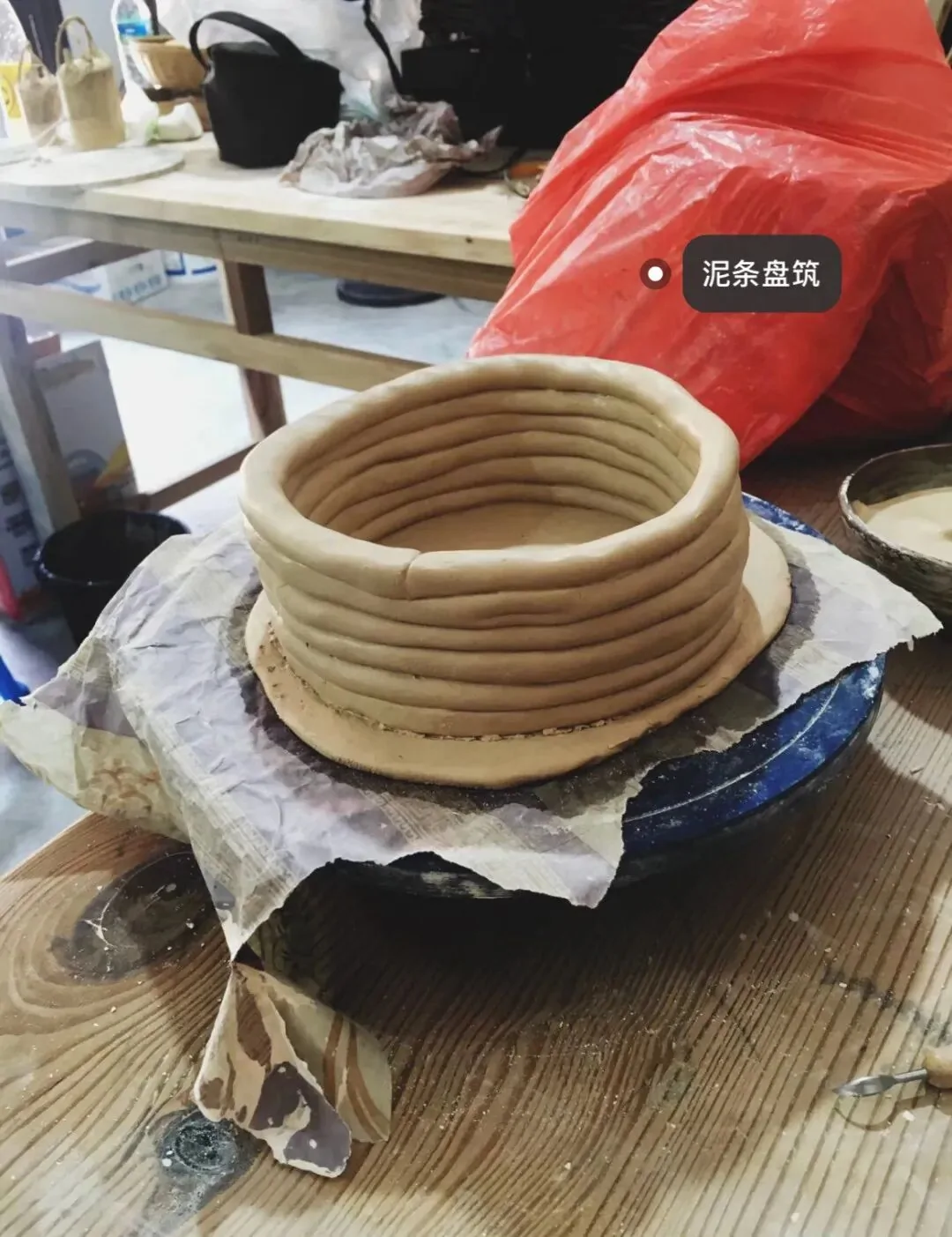
Hand-Building Techniques: Pinch, Slab, Coil, Throw, Carve
View Details: Hand-Building Techniques: Pinch, Slab, Coil, Throw, Carve Read Article: Hand-Building Techniques: Pinch, Slab, Coil, Throw, CarveFive hand methods carry most studio work: pinching (捏雕, niēdiāo), slabbing (泥板法, níbǎnfǎ), coiling (围塑, wéishù, also 盘筑), throwing (拉塑, lāshù) and carving (雕刻, diāokè). Four…
-
Jingdezhen Porcelain Sculpture: Material, Skill and Intent
View Details: Jingdezhen Porcelain Sculpture: Material, Skill and Intent Read Article: Jingdezhen Porcelain Sculpture: Material, Skill and IntentWhen the Jingdezhen handcraft porcelain industry heritage (景德镇手工瓷业遗存) was inscribed on the World Heritage List as the first porcelain-themed site, the citation rested on an unusual…