Sculpture porcelain (雕塑瓷, diāosù cí) is porcelain formed by sculpting, pinching, stacking or carving clay into figures, animals, flowers and other forms, or by incising, carving or piercing designs into the clay body, then firing. Jingdezhen‘s sculpture porcelain has a long and continuous history, evolving from simple tomb offerings into one of China’s most refined ceramic art forms.
Origins: The Sui Dynasty
According to the Qing-dynasty Nányáo Bǐjì (《南窑笔记》, Notes on the Southern Kilns): “During the Daye era of the Sui (605–618 AD), two large lion and elephant beasts were first made and presented to the Xianren Palace.” This is among the earliest written references to Jingdezhen sculpture porcelain, marking the start of a tradition that would span more than a millennium.
Song Dynasty — The Flowering of Form
Excavations at Hutian and other ancient Jingdezhen kiln sites, and in dated Song tombs, have uncovered Northern Song early qingbai (影青) sculpture porcelain. By the Southern Song the range of sculptural products was vast:
- Ornamental toys—horses, monkeys, dogs, sheep, cockerels and children.
- Worship and burial wares—Guanyin figures, the twelve zodiac animals for burial, guardian warriors, musicians, civil and military officials, filial-piety figures, and foreign (Sogdian) figures including a foreigner leading a horse.
- Protective and symbolic forms—the four spiritual creatures (四灵),辟邪 guardian beasts, and piled-decorator duīdiāo offering vases (皈依瓶).
- Useful sculpture—dragon pillows, lion-playing-with-ball pillows, boy-sleeping-on-lotus pillows, openwork censers and incense burners.
- Applied decoration—pinched animals, fruits and flowers attached to ewers, vases, boxes and burners.
Most Song pieces were hand-formed, combining pinching with line-carving, assembled section by section; only a few figures used mould-pressing. They share the agile, elegant and delicate character of Song applied arts across kilns such as Ding, Cizhou and Jizhou. The qingbai pinched-flower cosmetic box, openwork incense burner and piled-decorator offering vase are exquisite and clear-toned, pioneering the pinched, openwork and relief traditions of later Jingdezhen. The boy-on-lotus pillow is designed with natural, lifelike expression; figures are slim and upright, quite unlike the full, imposing Tang pottery figures. Carved lines are crisp and vigorous, with strong decorative rhythm.
Yuan Dynasty — Monumental Figures
In 1955 a Yuan-dynasty qingbai Guanyin was unearthed in Beijing’s Xicheng district. The figure stands dignified, the face gentle and compassionate—the aura of a “greatly merciful, blessing and saving” deity. Drapery follows the body’s movement in deep carving, fusing surface and line. The rhythm of the folds—sparse and dense, long and short, curved and straight—echoes the finest ink-line figure painting. The robe edges are delicate, conveying the soft, flowing quality of the fabric. The bead-string (缀珠) decoration around the neck and shoulders, combined with the clear, lustrous qingbai glaze, is harmonious and refined.
Ming Dynasty — Moulded Production
Ming Jingdezhen sculpture developed further: boy-Guanyin, deer-riding immortal of longevity, lion-riding figures, horse-leading children, secular figures, small toys, porcelain brush rests, and openwork five-coloured garden seats. Products were widely mould-pressed. Song Yingxing’s Tiangong Kaiwu (《天工开物》, The Exploitation of the Works of Nature) records: “For imperial wares such as porcelain screens and candlesticks, the form is first modelled in clay and moulded—in two halves, two sections, or whole—then white clay is pressed into the mould, seams joined with slip, and on firing it becomes seamless.”
Qing Dynasty — A Mature Industry
By the Qing, more workshops and artisans made sculpture porcelain in Jingdezhen. The range covered household display, small toys, sacrificial wares, useful sculpture, applied decoration on vessels, and architectural and garden ceramics. Auspicious, paired and set pieces became common, and Jingdezhen was established as one of China’s leading sculpture-porcelain centres.
Timeline of Jingdezhen Sculpture Porcelain
| Dynasty | Period | Key Developments |
|---|---|---|
| Sui | 605–618 | Earliest recorded large sculptural beasts (lion, elephant) |
| Northern Song | 10th–11th c. | Qingbai sculpture appears at Hutian kiln |
| Southern Song | 12th–13th c. | Wide range: toys, burial figures, pillows, openwork censers |
| Yuan | 13th–14th c. | Monumental qingbai Guanyin; deep-carved drapery, bead decoration |
| Ming | 14th–17th c. | Mould-pressed production; documented in Tiangong Kaiwu |
| Qing | 17th–20th c. | Mature industry; broad range, auspicious sets |
The Sculptural Techniques
Within the sculpture tradition, several hand techniques produce different effects:
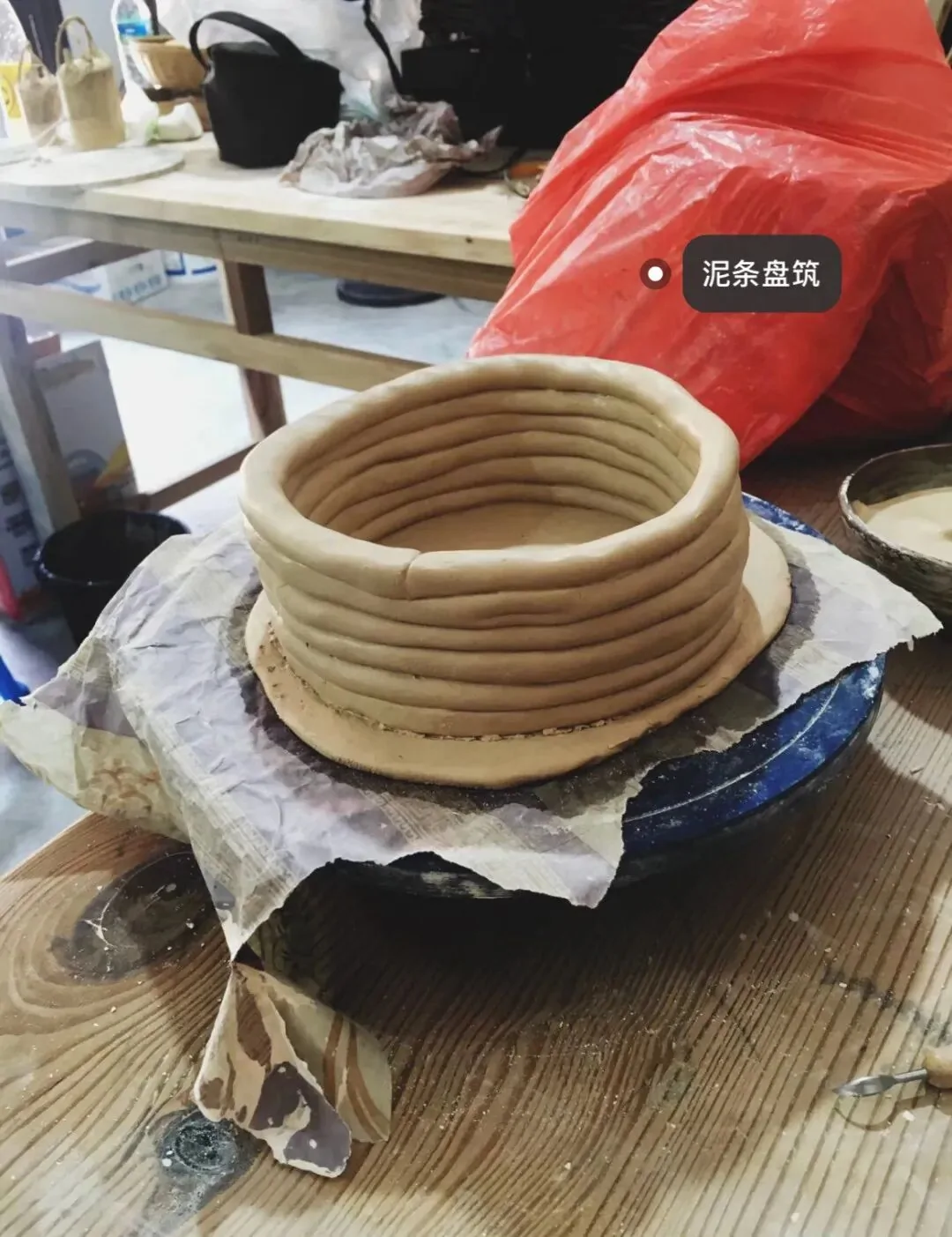
- Modelling and pinching (塑雕、捏雕)—hands and simple tools shape figures, plants and animals, often combined with glaze and colour for lifelike results.
- Piled decoration (堆塑)—hand-formed or moulded figures, animals and pavilions are densely but regularly attached to a vessel body, then fired directly or after glazing.
- Relief (浮雕)—patterns are carved into or built up on the body surface. Piled relief divides into piled clay (堆花), using slip rolled, pressed, stamped, incised and applied; and piled glaze, using a brush dipped in white glaze slip to build motifs over a coloured-glaze body.
- Openwork (镂雕/镂空)—decorative patterns are pierced through the body. Holes usually follow curved lines or regular geometric shapes to prevent deformation during firing. Openwork is often combined with pinching and piling.
In practice these techniques are freely combined, giving traditional sculpture porcelain its high aesthetic value.
Frequently Asked Questions
When did Jingdezhen first make sculpture porcelain?
Written records trace it to the Sui dynasty’s Daye era (605–618 AD), when large lion and elephant beasts were made for the imperial palace. Archaeological finds confirm qingbai sculpture from the Northern Song.
What kinds of sculpture porcelain were made in the Song?
A very wide range: small toys (horses, monkeys, dogs), burial figures (twelve zodiac animals, warriors, musicians), worship figures (Guanyin), useful forms (dragon pillows, incense burners), and applied decoration on vessels.
How does piled glaze differ from piled clay?
Piled clay (堆花) uses slip to build motifs on the raw body. Piled glaze uses white glaze slip applied over a coloured-glaze body, creating a raised glaze design.
Why are openwork holes usually curved or geometric?
Curved and regular geometric holes distribute stress during firing and reduce the risk of deformation. Irregular piercing can cause the body to warp in the kiln.
Related Reading
Explore the techniques behind these forms in Ceramic Sculpture Art: Forms, Kilns and Material Magic and Ceramic Forming Techniques: Six Methods from Coil to Slip Casting.
Collect Jingdezhen sculpture porcelain or commission a piece? Visit our shop or email our studio.