
Many newcomers hear the word “revival” and reach for the word “fake”. The two are not synonyms, as we have argued before — intent, not age, makes a fake. What newcomers lack is a positive framework: not what archaistic porcelain is not, but what makes a good modern revival worth collecting. Here are the six criteria that decide it.
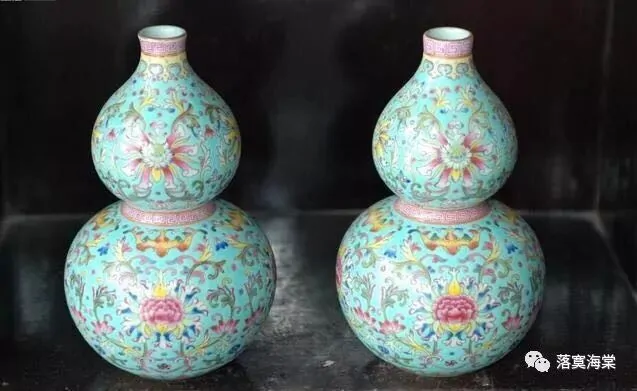
A lineage older than most people expect
Archaistic porcelain means later kilns recreating the famous wares of an earlier reign. The habit began early: Song workshops already produced large numbers of pieces copying Shang and Zhou bronzes, and regional kilns made deliberate archaisms of their own. Impressive as that was, the Qing court’s revivals made the Song effort look modest by comparison — the full story is in the four golden ages of archaistic porcelain and our longer history and value guide. That lineage matters here because each era’s revivals eventually became collectables in their own right, which is exactly the frame for judging today’s output.
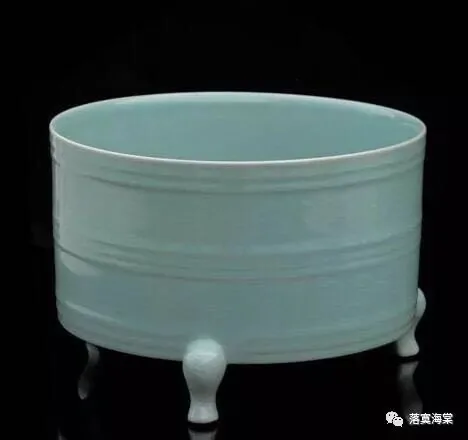
Six criteria that decide a modern revival’s value
1. Craft
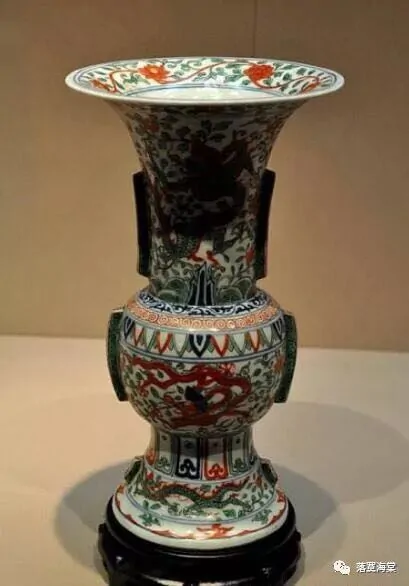
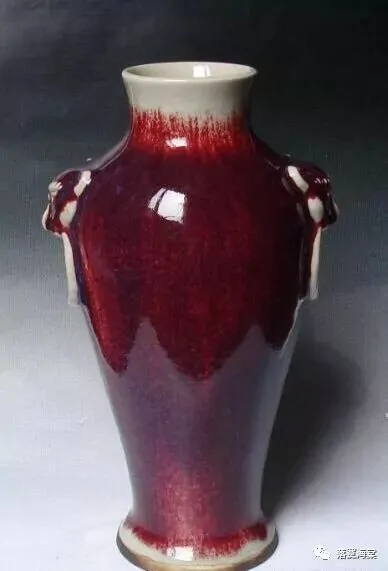
Start with how the piece was made: hand-thrown body or moulded, applied glaze or dipped, kiln conditions and firing discipline. A revival stands or falls on craft long before any question of price. Multi-stage techniques show this best — a wucai gu vase carries underglaze blue, overglaze enamels and gilt in one composition, and a flambé vase depends on a glaze that even the best firing only partly controls.
2. Appreciation potential
Revival porcelain has appreciated before, and the record is checkable: Republican-era copies now reach real heights at auction, and the wider pattern runs from factory-era exports to Yongzheng masterpieces — see why old copies become treasures, how factory-era prices have doubled and the full price ladder. Modern revivals sit at the affordable rung of a ladder with a proven habit of rising.
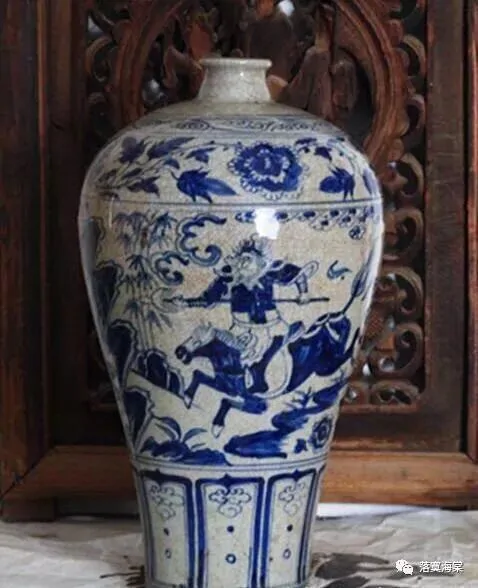
3. Cultural inheritance
A revival is a carrier: it keeps recipes, brush logic and firing knowledge alive that would otherwise exist only in museum vitrines. This is why the category deserves the word heritage — why archaistic porcelain exists at all sets out the forces behind it, and why recreating a lost glaze is harder than inventing a new one explains the effort each piece contains.
4. Artistic standing
A good revival is not a reproduction in the print-shop sense; it is a new artwork that answers an old one. Ornamental value and artistic value coexist in the same object — the composition is judged as painting, the form as sculpture, whatever the model.
5. The maker’s name
Authoritative hands move prices. Work by recognised masters — Huang Yunpeng’s Palace Museum endorsement, Yang Shiqi’s famille-rose accepted into a Beijing museum collection — carries a premium that unnamed output does not, and public institutions buying declared revivals is itself a signal, as we noted in when a revival matches a national treasure and the undervalued modern market.
6. Risk, and the opportunity it creates
Collecting period porcelain carries high risk and deep uncertainty: authentication is hard, mistakes are expensive, and supply is fixed. Those very frictions are what create the opportunity for honest modern revivals — documented, openly sold, priced within reach. The caveat belongs here too: revival markets respond to fashion, and the line between a declared copy and a fake must always be checked on the object itself, marks included.
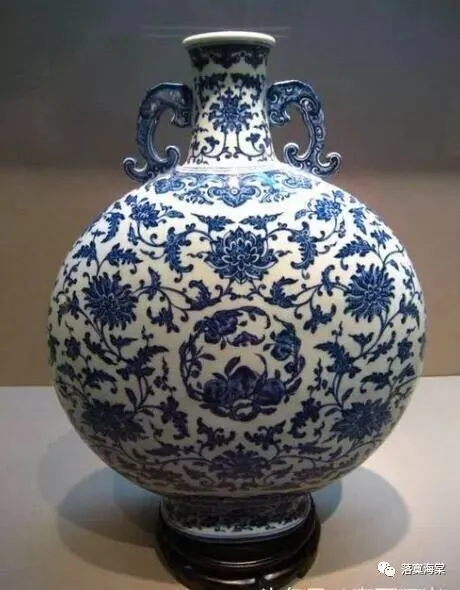
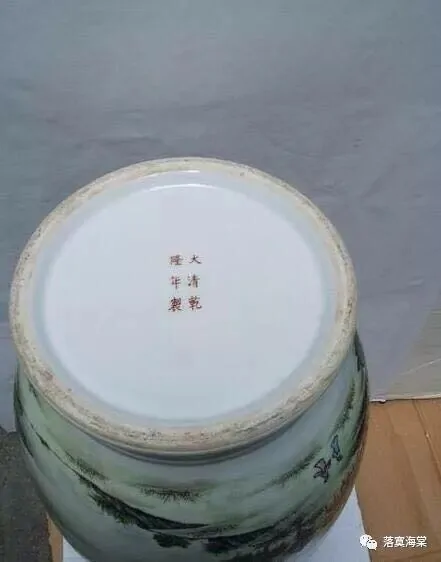
How to use the six criteria
Work through them in order on every piece: craft first, because nothing else matters without it; then maker and documentation, because names and openness carry the premium; appreciation, heritage and art follow, and risk management runs across all of them. Our buyer’s sequence is set out in archaistic porcelain worth collecting, and every piece in the Jingdezhen Heritage collection is documented and sold as what it is.
Contact Jingdezhen Heritage
Questions about a piece, a glaze or an order? Email service@jingdezhenheritage.com or message us on WhatsApp. We reply within one working day.