
Some of the most talked-about pieces in Chinese porcelain collecting were never antiques when they left Jingdezhen. They were honest copies made in the 1960s to 1980s, shipped out through Hong Kong to earn hard currency, and they now change hands for hundreds, sometimes thousands, of times their original price. Here is how that happened, and how today’s revival market is layered.
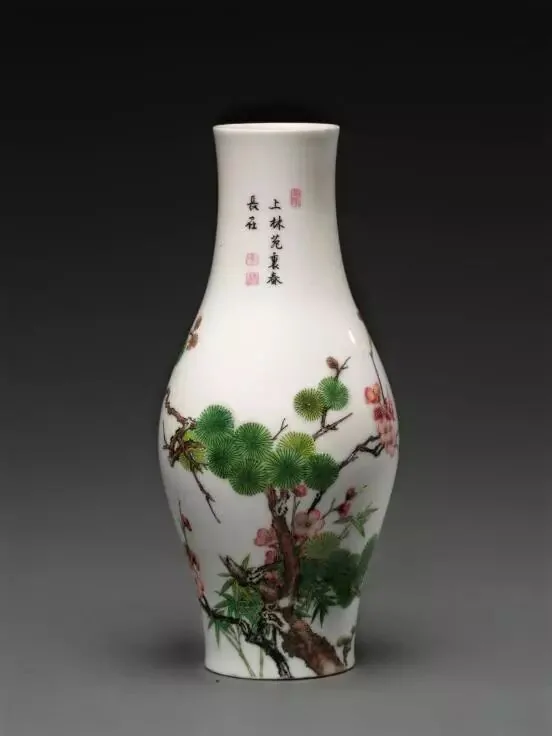
When the originals cost millions, collectors turn to copies
Genuine Qing imperial porcelain, especially from the Kangxi, Yongzheng and Qianlong reigns, starts in the millions and reaches well beyond them at the top end. What survives is already spoken for: it sits in private safes, museum cabinets and national collections, and little of it comes back to the market. Expecting to buy a period imperial piece cheaply is, as Chinese collectors put it, like expecting a lottery win.
This is precisely why the revival tradition matters so much. The Qing court itself imitated Ming sacrificial reds and the Five Great Kilns of Song; the Song, in their turn, revived still earlier vessel shapes — a lineage we trace in the four golden ages of archaistic porcelain. Those once-“derivative” wares are now prized in their own right, and yesterday’s copies become today’s treasures with each passing decade. The same logic is now working for the factory era.
The export era: revivals made for hard currency
Modern revival production in Jingdezhen began properly in the 1960s, and its starting point was national, not commercial. New China needed foreign exchange, most normal exports were blocked, and the state turned to the one product it could make better than almost anyone: porcelain. The plan was to revive historical wares in quantity and ship them to Hong Kong for worldwide distribution.
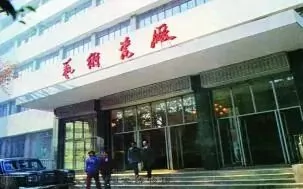
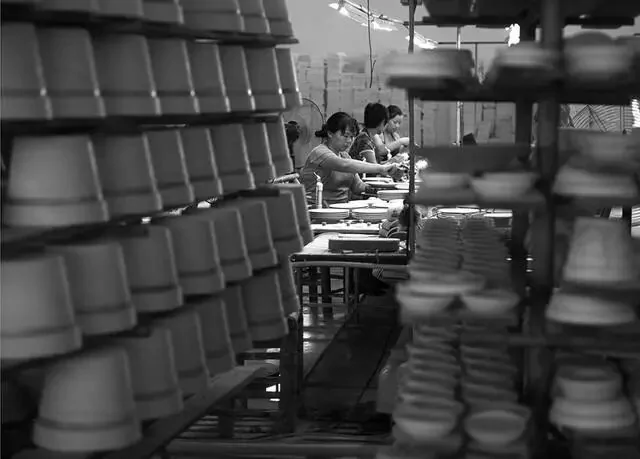
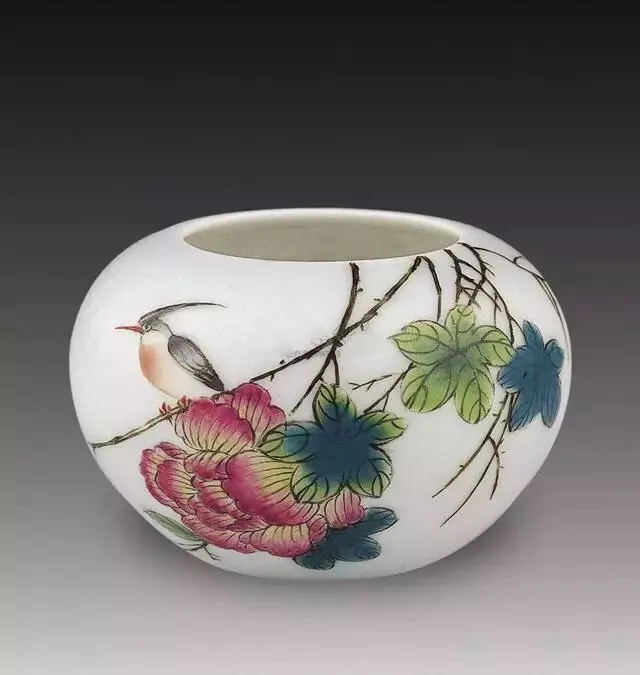
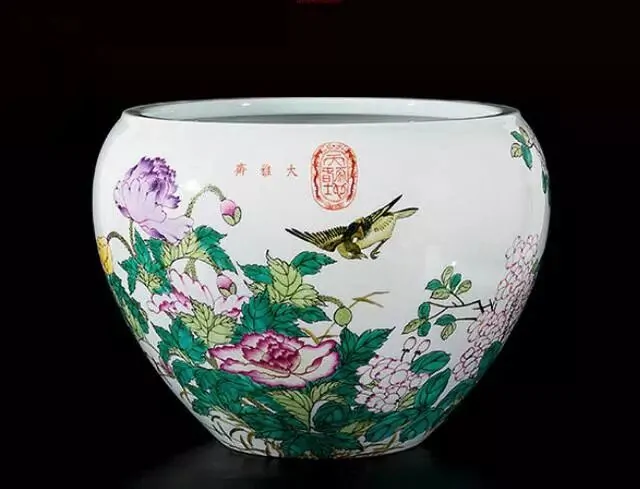
The wares that went out under this scheme were made to a standard many collectors today find startling. Demand was enormous, and the pieces that entered Western, Japanese and Hong Kong shops in those years have become regulars at their auction houses and fairs. Their prices are now several hundred to several thousand times what they originally fetched at export.
The Tongzhi wedding service: a state-factory milestone
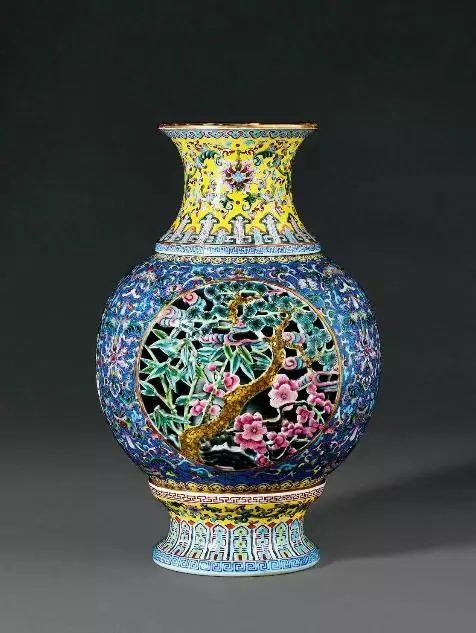
The flagship project says everything about the seriousness of the enterprise. The Jingdezhen Art Porcelain Factory, a state enterprise with over a thousand workers, produced some 260 pieces reproducing the yellow-ground famille-rose service made for the Tongzhi emperor’s imperial wedding. Technicians were sent to the Palace Museum in Beijing to trace the designs and prepare colour notes, then returned to Jingdezhen to test-fire the wares, solving one technical problem after another until the service was right.
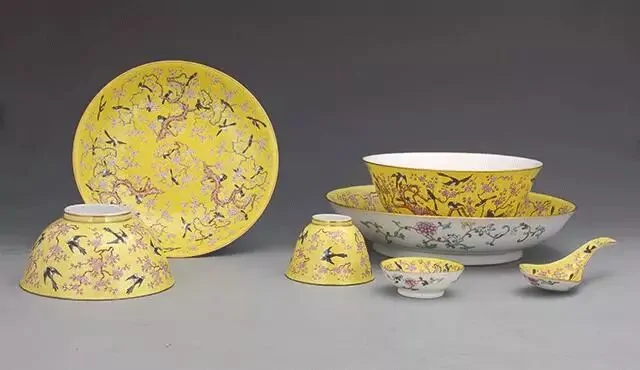
The sales method deserves note as well: everything was sold openly as a new revival. No artificial ageing, no pretending. Sellers were relaxed and buyers were satisfied, orders kept coming, and the same standard spread to the city’s other factories through the 1970s and 1980s — including fine flambu00e9-glazed conical bowls that state workshops fired in the early 1980s.
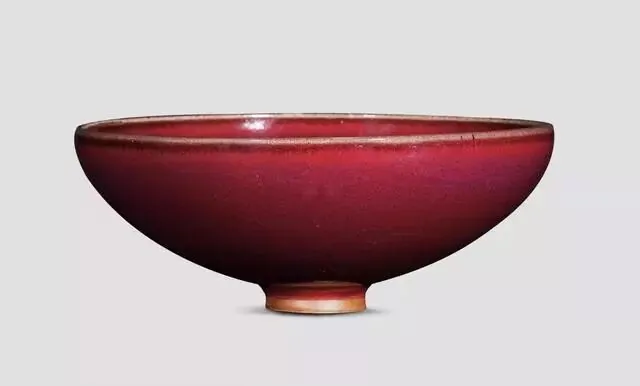
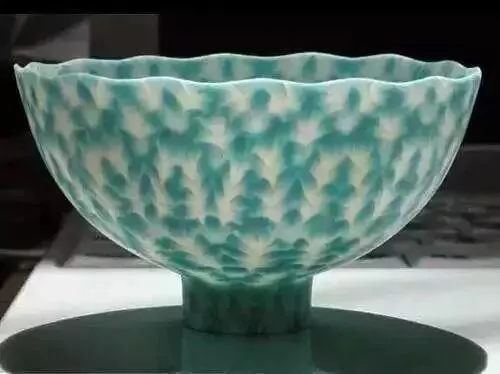
This openness matters for how we name things: a fake and a declared copy are different things, and the factory era’s best work belongs firmly in the second category.
Four tiers of the revival market after the 1990s
When the state factories wound down in the 1990s, private workshops filled the gap, and the market stratified quickly.
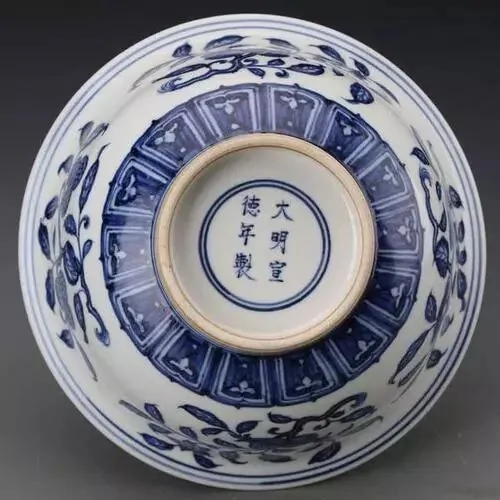
At the bottom sat the bulk trade: family workshops with little training, hiring cheap formers and painters, stamping out wares with whatever reign mark looked impressive — Xuande, Chenghua, Kangxi, even Zhizheng. Ageing was crude: clay-and-glue paste to mimic burial, or baths of hydrofluoric, oxalic and permanganate solutions, machine oil and bitumen to dull the glaze. Dealers carried these pieces to markets across China, and much of what fills tourist stalls today is their descendant.
One tier up were owners with capital and some connoisseurship, whose wares were neater — but who still cut corners in inventive ways. A revival of a Republican Jurentang-style figure vase might get its face painted by an expensive master and its drapery and background by cheap hands: convincing at a glance, and sometimes artificially aged to pass as period work. Trained eyes separate the two hands quickly; beginners, less so.
The third tier was unusual: antique shops whose stock had run dry commissioned workshops to copy their own damaged late-Qing and Republican pieces, under specialist supervision, in strictly limited numbers — typically ten or twenty of each model, with no right to sell them on independently. Every element, from paste and glaze to pigments and shape, had to be right, and everything was sold openly as new.
At the top were well-funded private kilns devoted to secretly imitating Ming and Qing imperial wares. They researched clay, glaze, forming, pigments and kiln practice end to end, and — most remarkably — tested their output against actual shards of imperial porcelain excavated at the Longzhu Pavilion on Zhushan, the old imperial kiln site. Production was strict: one piece accepted from ten, or from dozens; rejects never reached the market. The accepted pieces then received sophisticated ageing, some with manufactured “old” damage at rim and foot, before quietly entering the trade and, eventually, auction rooms — sometimes at startling prices. Discerning these from period work is genuinely hard; the three tests every serious copy must pass give a starting point, and the making techniques behind such wares are explained in the five methods behind Chinese revival wares.
Why the best copies keep doubling in price
The arithmetic behind “prices keep doubling” is not mysterious. The export-era pieces were cheap because they were made by the thousand for a planned economy. The ones that survived intact, in designs collectors now recognise, are finite — and forty to sixty years of provenance has turned them into period pieces of their own. Add the top-tier workshop output of the 1990s, made in numbers of tens rather than thousands, and you have a market with a rising floor: Yongzheng revival wares now sell at auction for millions, and the wider pattern is documented in what auction records show.
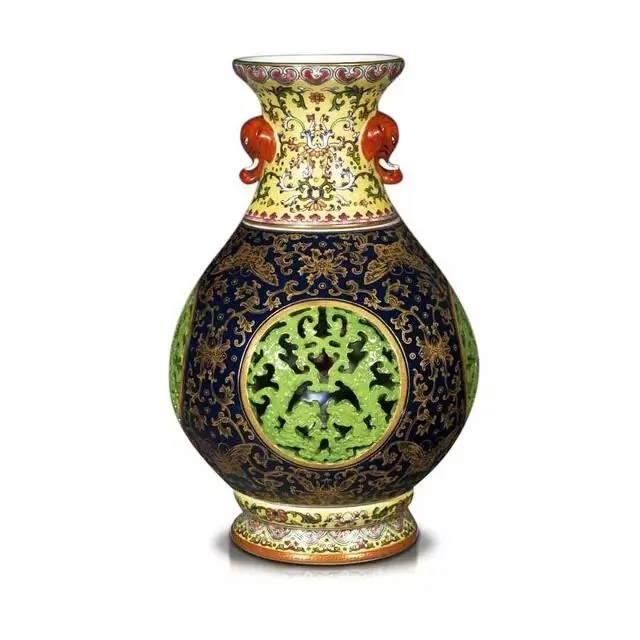
There is also a craft argument behind the prices. Whether a workshop revives an export-era design or an imperial original, it must reverse-engineer materials and firing that took dynasties to perfect — recreating a lost glaze is harder than inventing a new one. Every generation that keeps those skills alive adds cultural weight to the objects that carry them.
How should a buyer read this market?
Start by asking two questions: who made this, and was it sold honestly? Factory-era pieces reward patience — learn the factory marks, the export routes and the shapes that circulated through Hong Kong. Contemporary work rewards openness: buy from makers who state plainly what a piece is. Our guide to archaistic porcelain worth collecting sets out the checks in order, and everything in the Jingdezhen Heritage collection is documented and sold as what it is.
Why does this corner of the market matter?
Because it shows collecting working as it should. Copies made openly, to real standards, have become legitimate collectables on their own merits — while the fakes that pretend to be old remain exactly that. The line between them was drawn decades ago, in Beijing tracing rooms and Jingdezhen test kilns, and it is still the line that decides value today.
Contact Jingdezhen Heritage
Questions about a piece, a glaze or an order? Email service@jingdezhenheritage.com or message us on WhatsApp. We reply within one working day.