
-
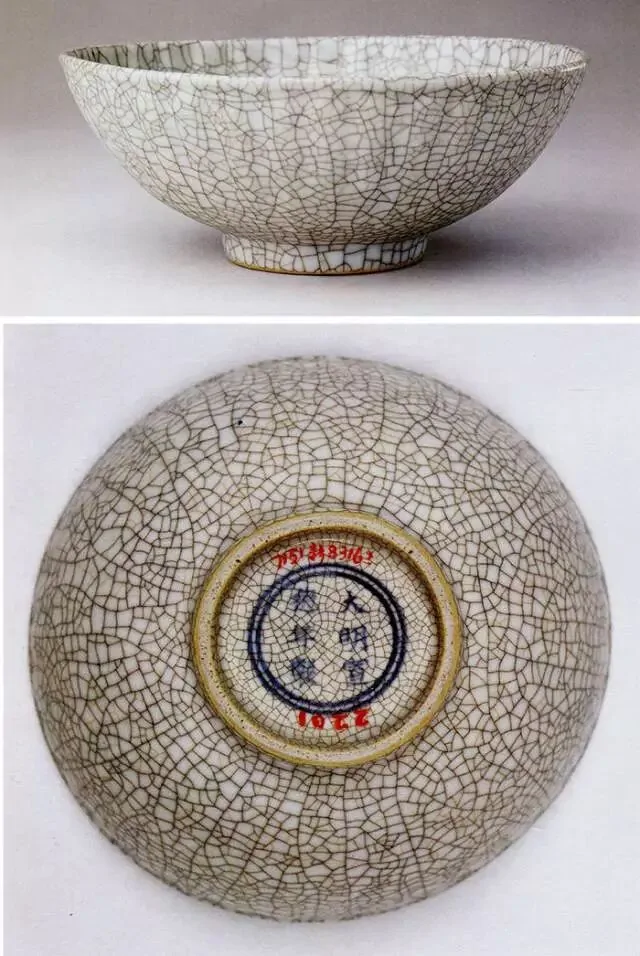
How Old Is Archaistic Porcelain — and What Is It Worth?
View Details: How Old Is Archaistic Porcelain — and What Is It Worth? Read Article: How Old Is Archaistic Porcelain — and What Is It Worth?Archaistic porcelain began at the Yongle imperial kiln 600 years ago. Palace Museum original-versus-copy pairs and eight auction records tell the story.
-
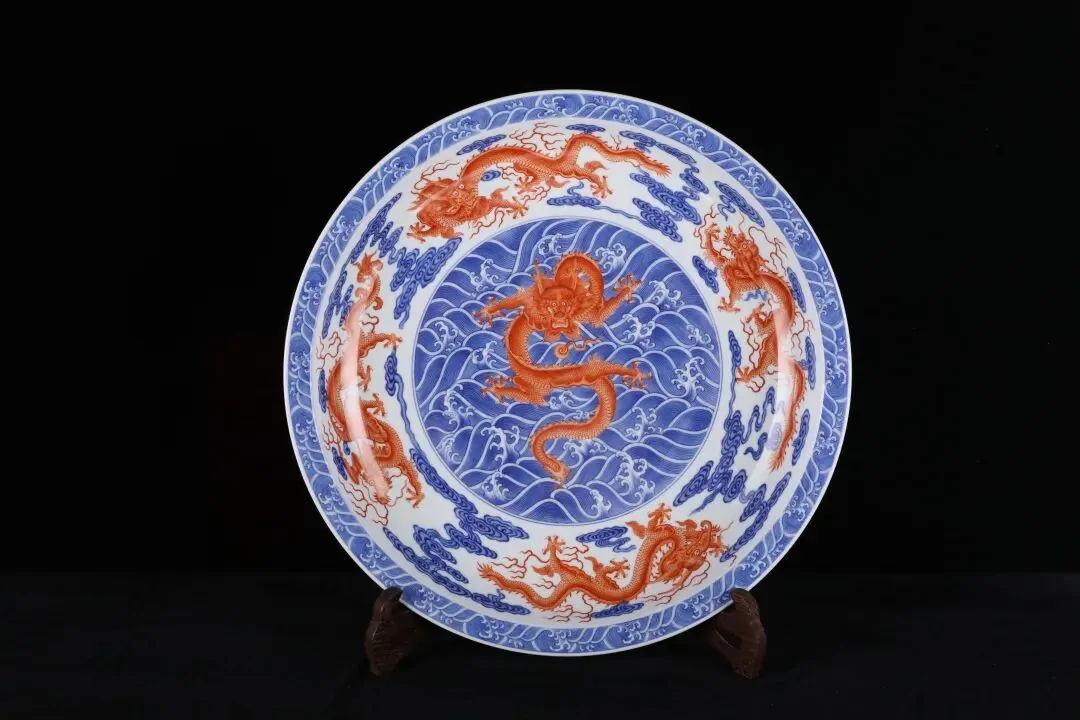
Is Archaistic Porcelain Fake? It Is Harder Than Innovation
View Details: Is Archaistic Porcelain Fake? It Is Harder Than Innovation Read Article: Is Archaistic Porcelain Fake? It Is Harder Than InnovationImitation demands more skill than innovation: form, glaze, decoration, marks and spirit must all match. Three archaistic pieces have sold for over 100 million yuan.
-
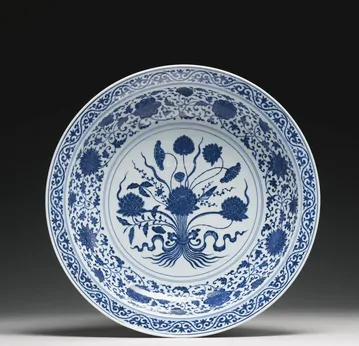
When Archaistic Porcelain Matches a National Treasure
View Details: When Archaistic Porcelain Matches a National Treasure Read Article: When Archaistic Porcelain Matches a National TreasureThe Palace Museum expert Geng Baochang judged that a reproduction able to deceive a connoisseur carries the same value as a national treasure. Four auction records…
-
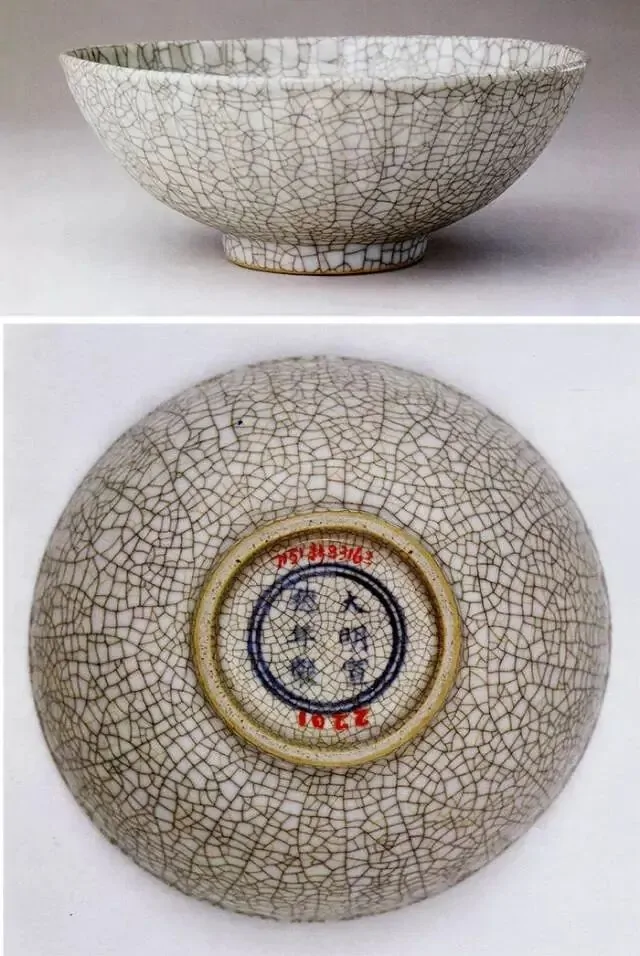
Is Archaistic Porcelain Valuable? What Auction Records Show
View Details: Is Archaistic Porcelain Valuable? What Auction Records Show Read Article: Is Archaistic Porcelain Valuable? What Auction Records ShowImitations of ancient porcelain now fetch 418,000 to 18.4 million yuan at auction. What four records reveal about the value of archaistic porcelain.
-
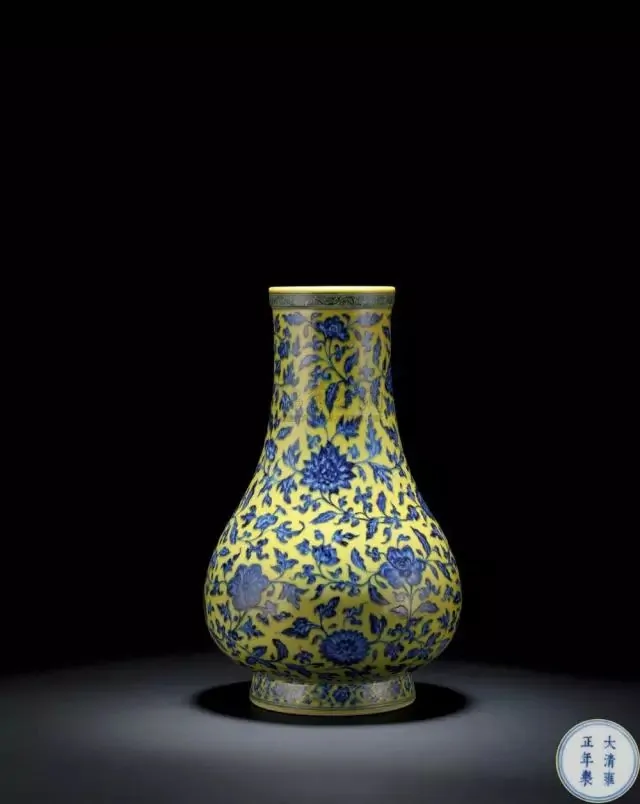
Yongzheng Archaistic Porcelain: 13 Record Auction Prices
View Details: Yongzheng Archaistic Porcelain: 13 Record Auction Prices Read Article: Yongzheng Archaistic Porcelain: 13 Record Auction PricesThirteen Yongzheng archaistic porcelain pieces sold for 8.1 to 33.6 million yuan each — how the emperor’s Song-style wares became the priciest imitations in Chinese art.
-
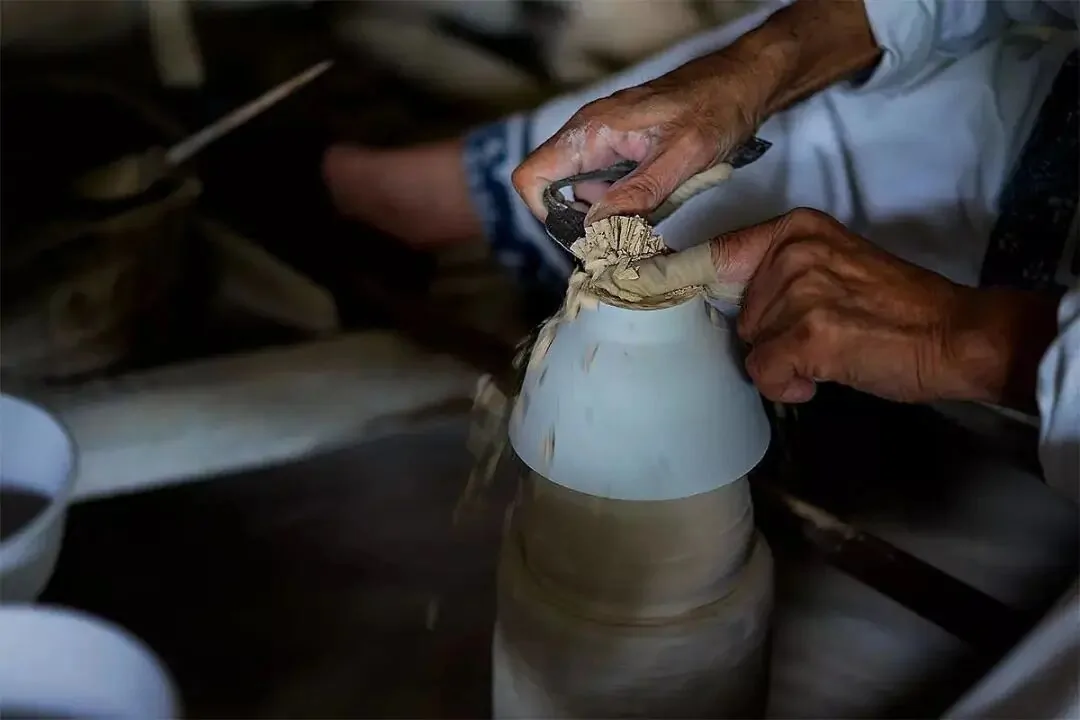
Archaistic Reproduction Porcelain: The Four Expert Standards
View Details: Archaistic Reproduction Porcelain: The Four Expert Standards Read Article: Archaistic Reproduction Porcelain: The Four Expert StandardsA former Palace Museum conservation chief explains what separates fine archaistic reproduction porcelain from ordinary imitation — four strict standards, and a value case built on…
-
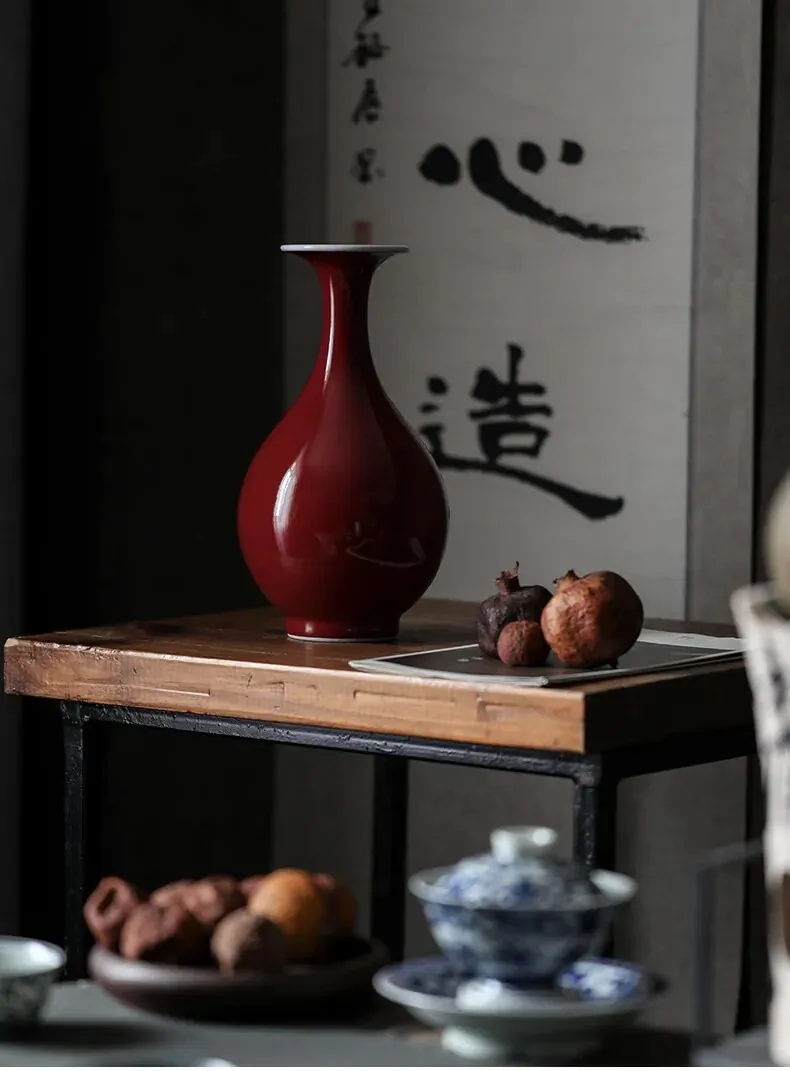
Archaistic Chinese Porcelain: Why Imitation Antiques Are Not Fakes
View Details: Archaistic Chinese Porcelain: Why Imitation Antiques Are Not Fakes Read Article: Archaistic Chinese Porcelain: Why Imitation Antiques Are Not FakesArchaistic porcelain (fanggu ci) has been part of Chinese ceramic culture for nearly a thousand years. Far from being forgery, the finest examples are prized artworks…
-
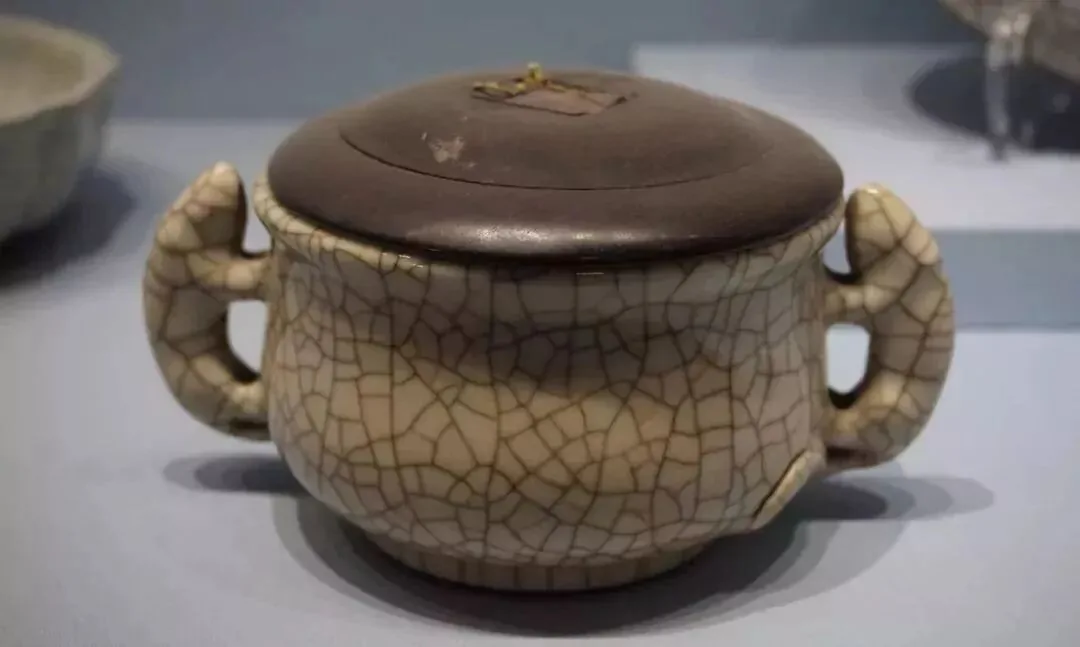
How Is Chinese Porcelain Copied? The Five Methods Behind Revival Wares
View Details: How Is Chinese Porcelain Copied? The Five Methods Behind Revival Wares Read Article: How Is Chinese Porcelain Copied? The Five Methods Behind Revival WaresChinese porcelain has been copied for close to a thousand years. A copy can reproduce the whole vessel, its form, its glaze, its decoration or only…
-
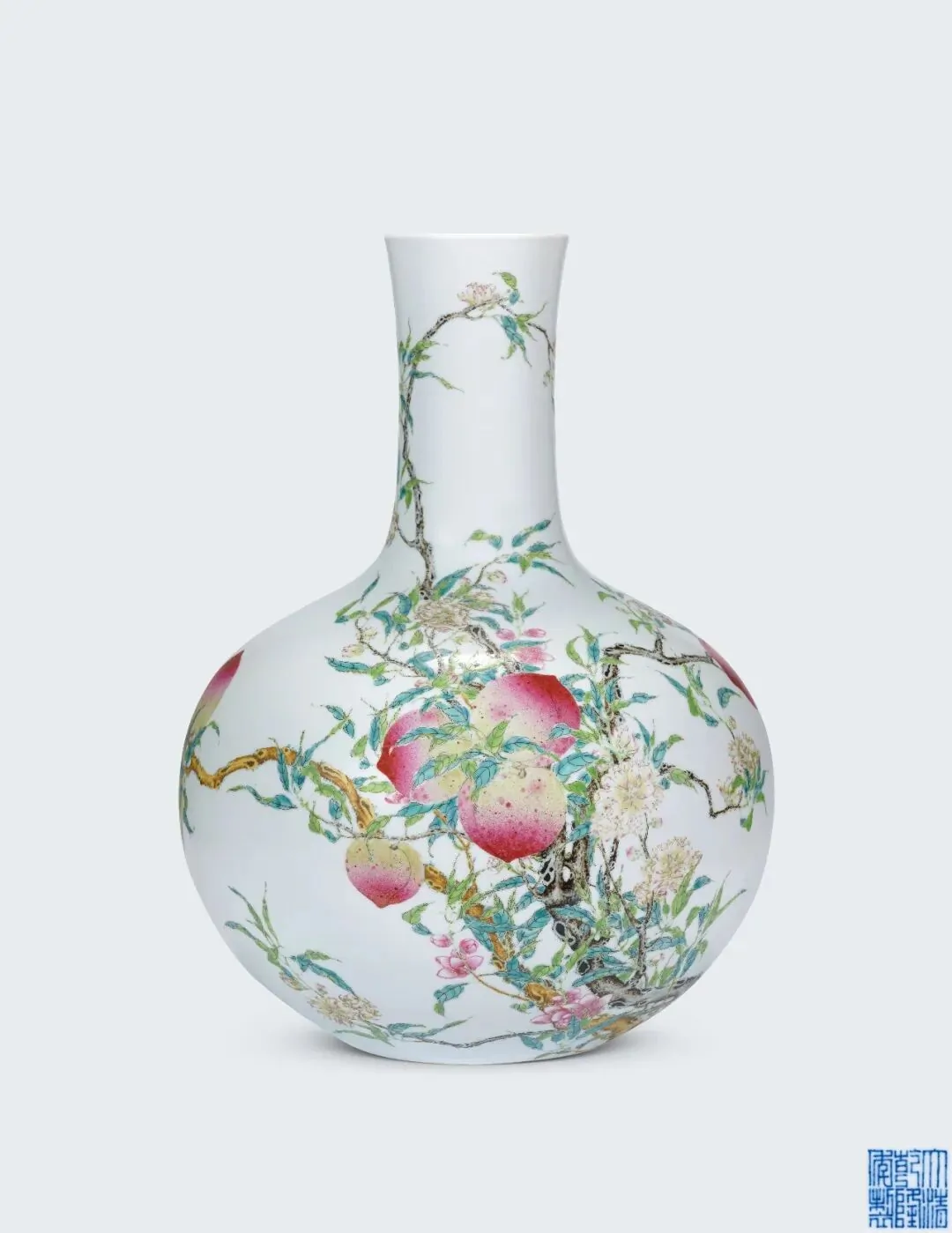
Is Revival Porcelain Fake? The Three Tests Every Copy Must Pass
View Details: Is Revival Porcelain Fake? The Three Tests Every Copy Must Pass Read Article: Is Revival Porcelain Fake? The Three Tests Every Copy Must PassRevival porcelain is not a forgery. A copy is legitimate when it passes three tests: heart, source and use. An intent to transmit a tradition rather…
-
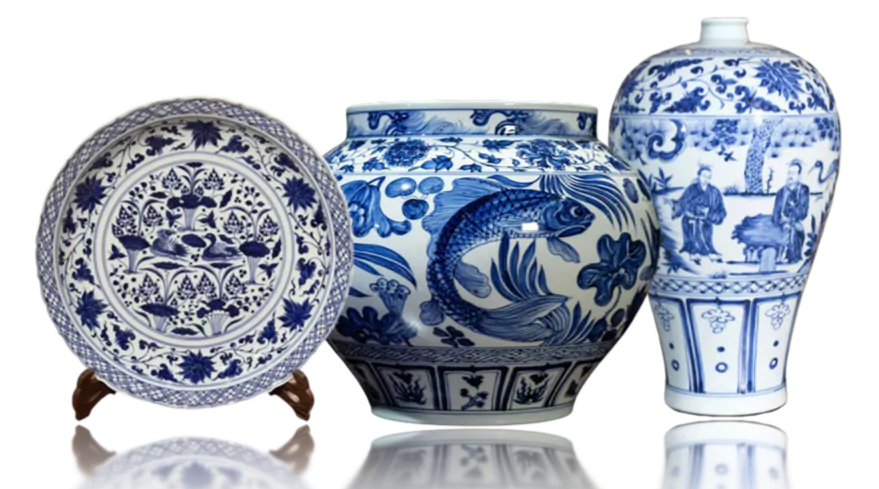
What Is Revival Porcelain? How Jingdezhen Recreates China’s Imperial Wares
View Details: What Is Revival Porcelain? How Jingdezhen Recreates China’s Imperial Wares Read Article: What Is Revival Porcelain? How Jingdezhen Recreates China’s Imperial WaresRevival porcelain is contemporary Jingdezhen work that recreates the forms, glazes and decoration of earlier imperial wares. This guide explains the tradition, its four great schools,…