
-
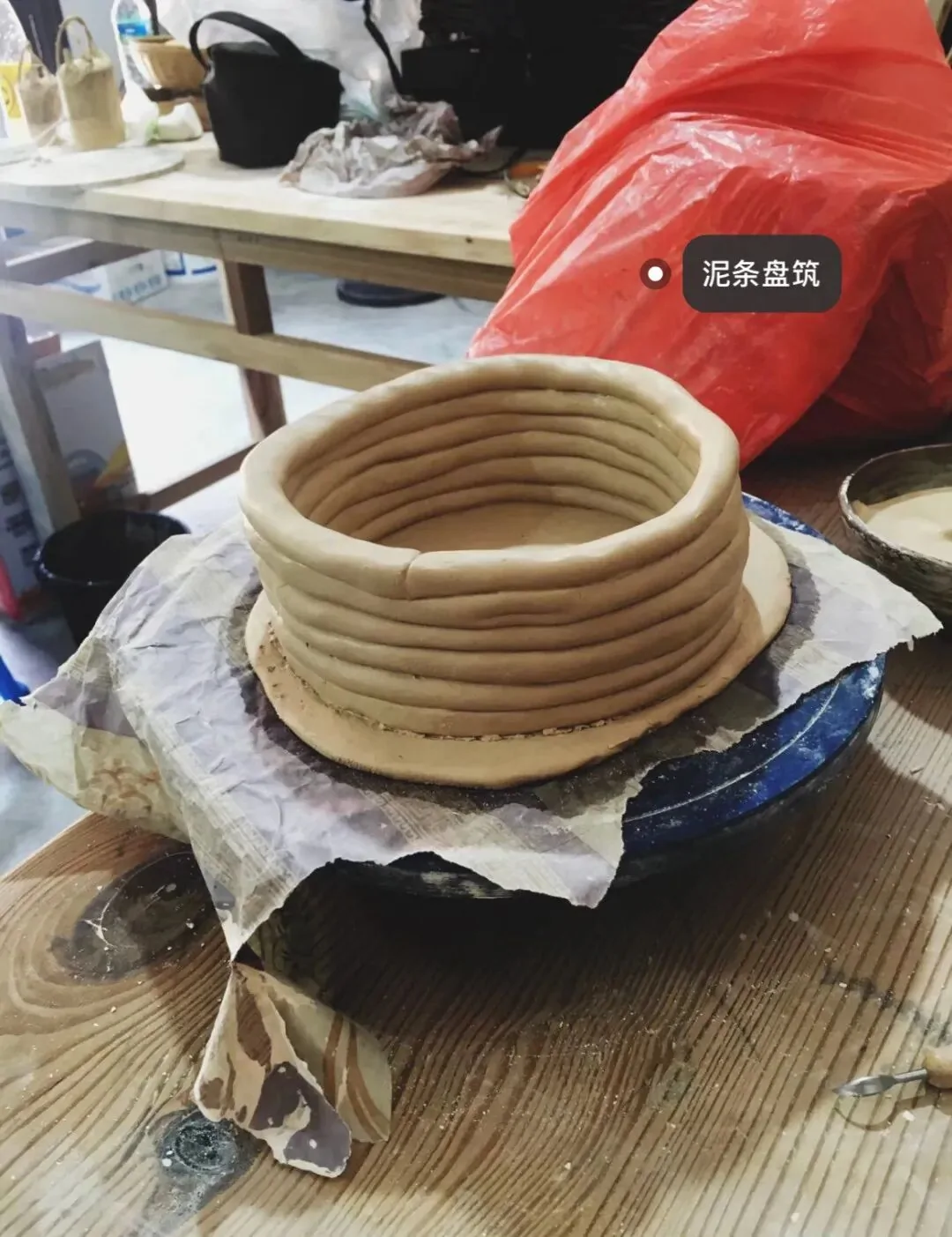
History of Jingdezhen Sculpture Porcelain: Sui to Qing
View Details: History of Jingdezhen Sculpture Porcelain: Sui to Qing Read Article: History of Jingdezhen Sculpture Porcelain: Sui to QingSculpture porcelain (雕塑瓷, diāosù cí) is porcelain formed by sculpting, pinching, stacking or carving clay into figures, animals, flowers and other forms, or by incising, carving…
-
Jingdezhen Porcelain Sculpture: Four Core Techniques and Production
View Details: Jingdezhen Porcelain Sculpture: Four Core Techniques and Production Read Article: Jingdezhen Porcelain Sculpture: Four Core Techniques and ProductionJingdezhen porcelain sculpture (景德镇瓷雕, Jǐngdézhèn cídiāo) is three-dimensional art formed from porcelain clay and fired at high temperature. Its subjects are broad, its techniques varied, and…
-
Ceramic Glaze Dullness: Origins of Matte Surfaces and Their Prevention
View Details: Ceramic Glaze Dullness: Origins of Matte Surfaces and Their Prevention Read Article: Ceramic Glaze Dullness: Origins of Matte Surfaces and Their PreventionCeramic Glaze Dullness: Origins of Matte Surfaces and Their Prevention Glaze dullness (Chinese: u91c9u9762u65e0u5149, pinyin: yu00f2u miu00e0n wu00fa guu0101ng) is one of the most visually apparent…
-
Ceramic Drying Dynamics: Heat Transfer, Diffusion and Rate-Controlling Factors
View Details: Ceramic Drying Dynamics: Heat Transfer, Diffusion and Rate-Controlling Factors Read Article: Ceramic Drying Dynamics: Heat Transfer, Diffusion and Rate-Controlling FactorsCeramic Drying Dynamics: Heat Transfer, Diffusion and Rate-Controlling Factors Drying (Chinese: u5e72u71e5, pinyin: gu0101n zu00e0o) removes moisture from the green ceramic body before firing. Unlike firing…
-
Ceramic Cracking Defects: Seven Types, Their Root Causes and Preventive Control
View Details: Ceramic Cracking Defects: Seven Types, Their Root Causes and Preventive Control Read Article: Ceramic Cracking Defects: Seven Types, Their Root Causes and Preventive ControlCeramic Cracking Defects: Seven Types, Their Root Causes and Preventive Control Cracking (Chinese: u88c2u7eb9, pinyin: liu00e8 wu00e9n) is the most economically destructive defect in ceramic production.…
-
Ceramic Firing Stages: Temperature Zones, Atmosphere Control and the 573°C Quartz Transformation
View Details: Ceramic Firing Stages: Temperature Zones, Atmosphere Control and the 573°C Quartz Transformation Read Article: Ceramic Firing Stages: Temperature Zones, Atmosphere Control and the 573°C Quartz TransformationCeramic Firing Stages: Temperature Zones, Atmosphere Control and the 573u00b0C Quartz Transformation Firing (Chinese: u70e7u6210, pinyin: shu0101o chu00e9ng) transforms a fragile clay body into dense, vitrified…
-
Slip Casting Ceramic: Temperature, Humidity and Seasonal Control for Zero Defects
View Details: Slip Casting Ceramic: Temperature, Humidity and Seasonal Control for Zero Defects Read Article: Slip Casting Ceramic: Temperature, Humidity and Seasonal Control for Zero DefectsSlip Casting Ceramic: Temperature, Humidity and Seasonal Control for Zero Defects Slip casting (Chinese: u6ce8u6d46u6210u578b, pinyin: jiu0101ng zhu00f9 chu00e9ng xu00edng) is the most efficient ceramic forming…
-
Ceramic Forming Techniques: Six Methods from Coil to Slip Casting
View Details: Ceramic Forming Techniques: Six Methods from Coil to Slip Casting Read Article: Ceramic Forming Techniques: Six Methods from Coil to Slip CastingEvery ceramic object — from a thrown teacup to a pressed porcelain figure — begins with a forming technique. Chinese potters developed six distinct approaches to…
-
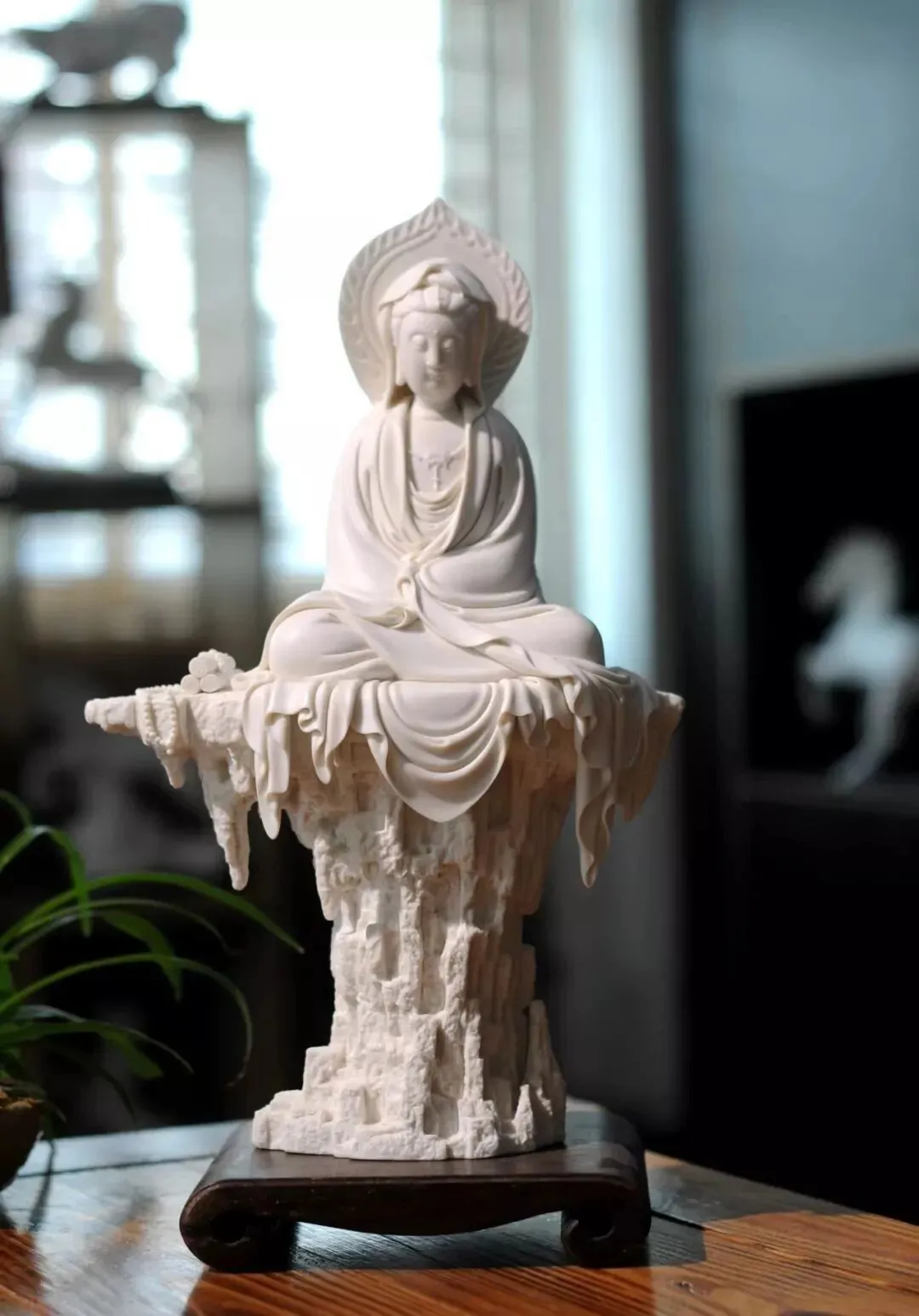
Ceramic Sculpture Art: Forms, Kilns and Material Magic
View Details: Ceramic Sculpture Art: Forms, Kilns and Material Magic Read Article: Ceramic Sculpture Art: Forms, Kilns and Material MagicCeramic sculpture occupies a distinctive space in Chinese ceramic art: it is porcelain, but it is also sculpture. Unlike functional bowls or display vases, its purpose…
-
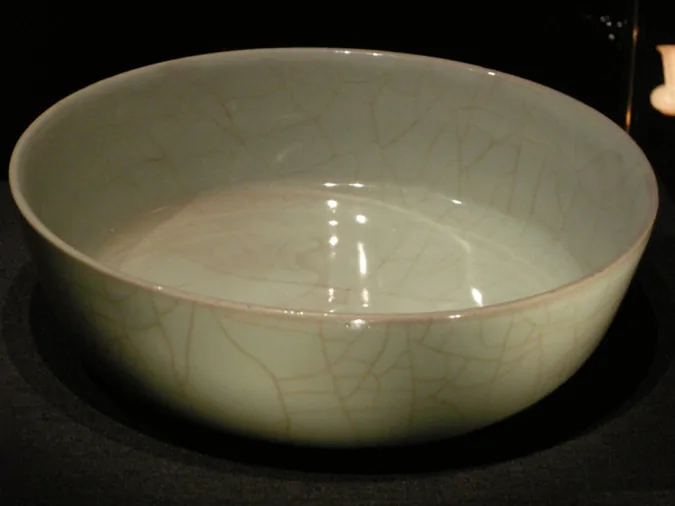
Official Kiln Porcelain: Two Thousand Years of Imperial Production
View Details: Official Kiln Porcelain: Two Thousand Years of Imperial Production Read Article: Official Kiln Porcelain: Two Thousand Years of Imperial ProductionOfficial kiln porcelain — guan ware — spans a thousand years of Chinese ceramic history, from the austere Five Famous Wares of the Song dynasty to…