-
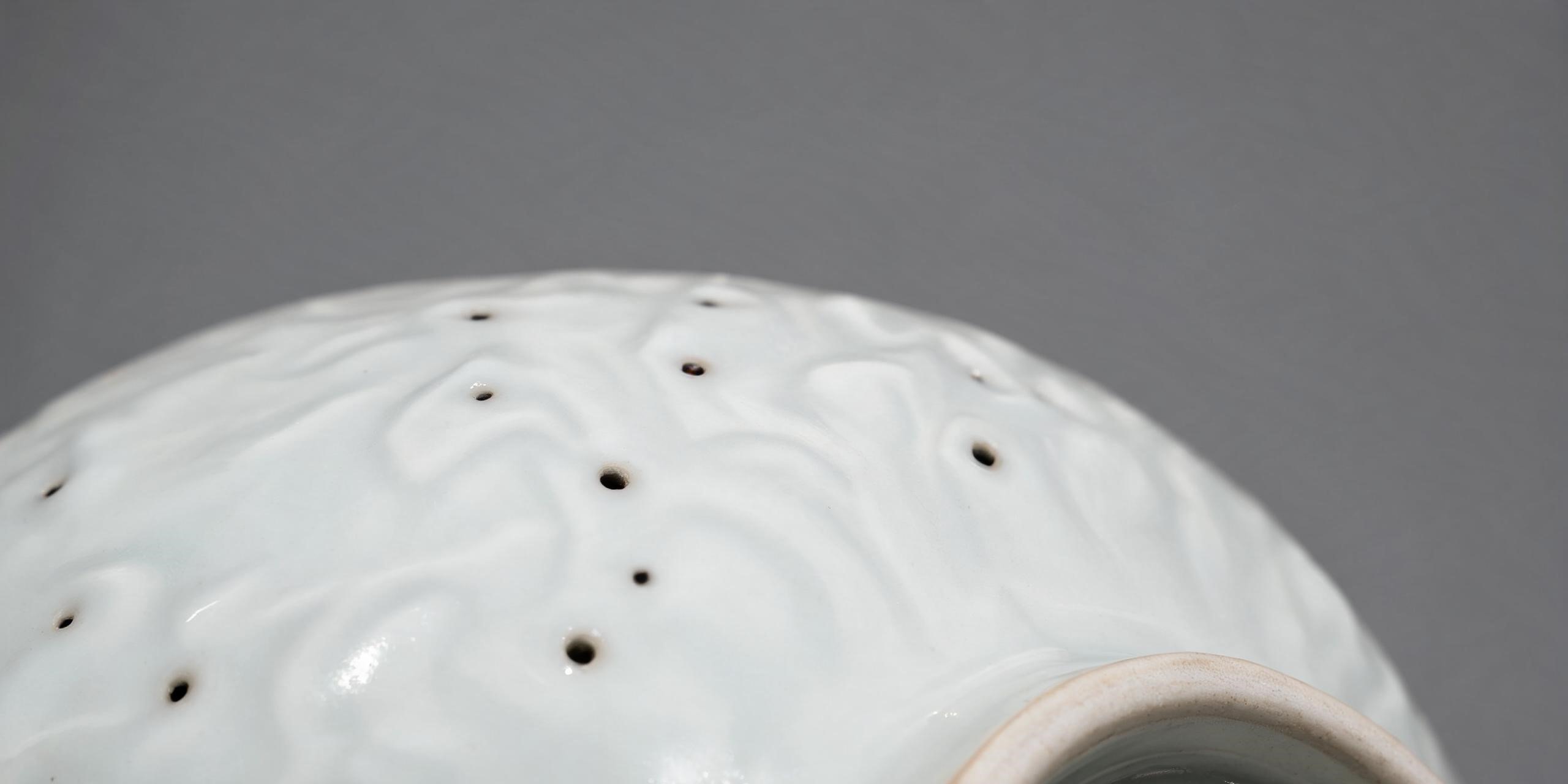
Slip Quality and Casting Defects: A Jingdezhen Buyer’s Guide
View Details: Slip Quality and Casting Defects: A Jingdezhen Buyer’s Guide Read Article: Slip Quality and Casting Defects: A Jingdezhen Buyer’s GuideIn a Jingdezhen showroom, two plates can look identical from a metre away and be worlds apart in quality. The difference is usually not the design…
-
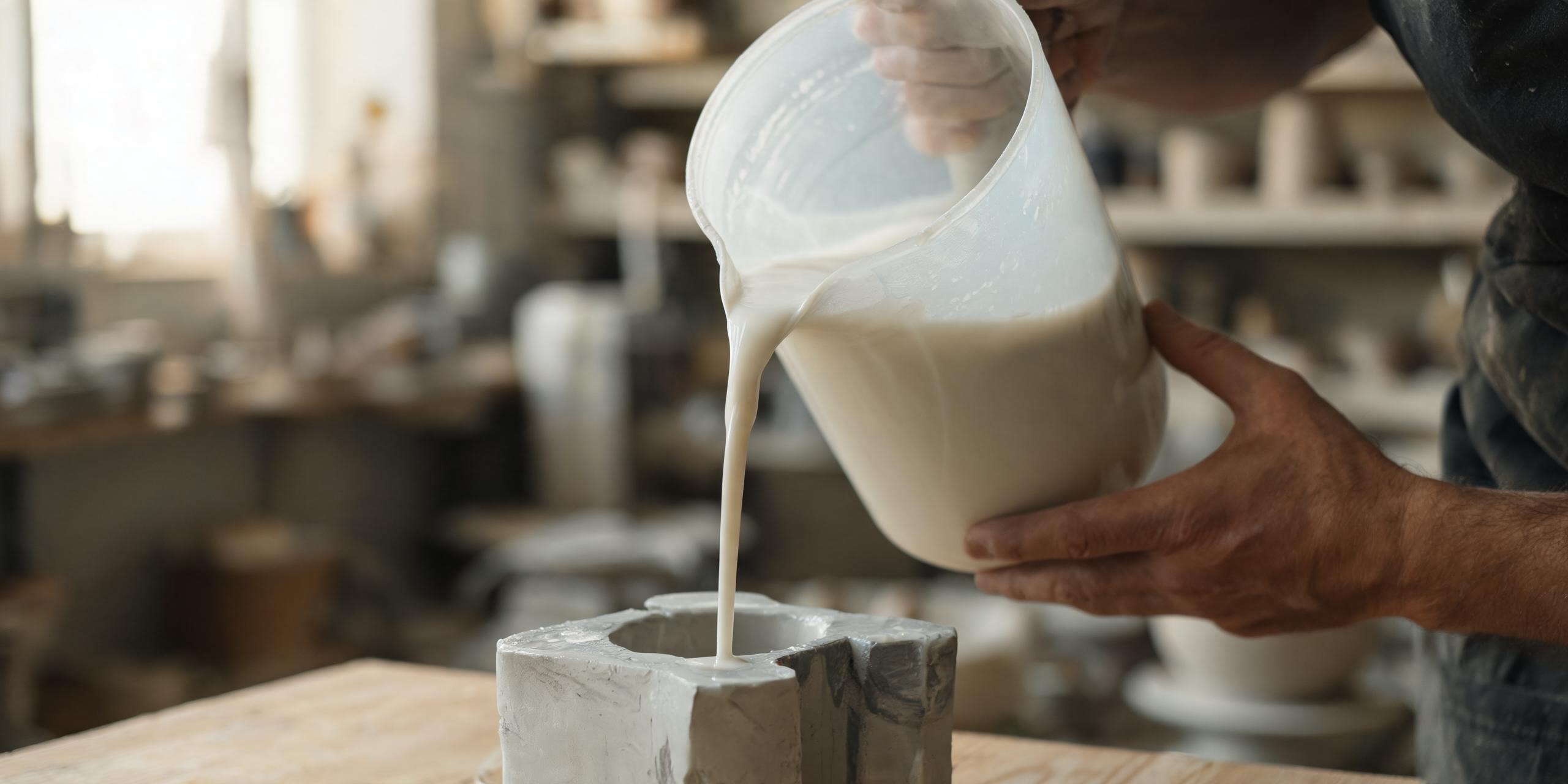
The Slip Casting Process Step by Step: From Slip to Kiln in Jingdezhen
View Details: The Slip Casting Process Step by Step: From Slip to Kiln in Jingdezhen Read Article: The Slip Casting Process Step by Step: From Slip to Kiln in JingdezhenSlip casting is one of the most precise forming methods in ceramics, yet its success depends on a sequence of small steps that are easy to…
-
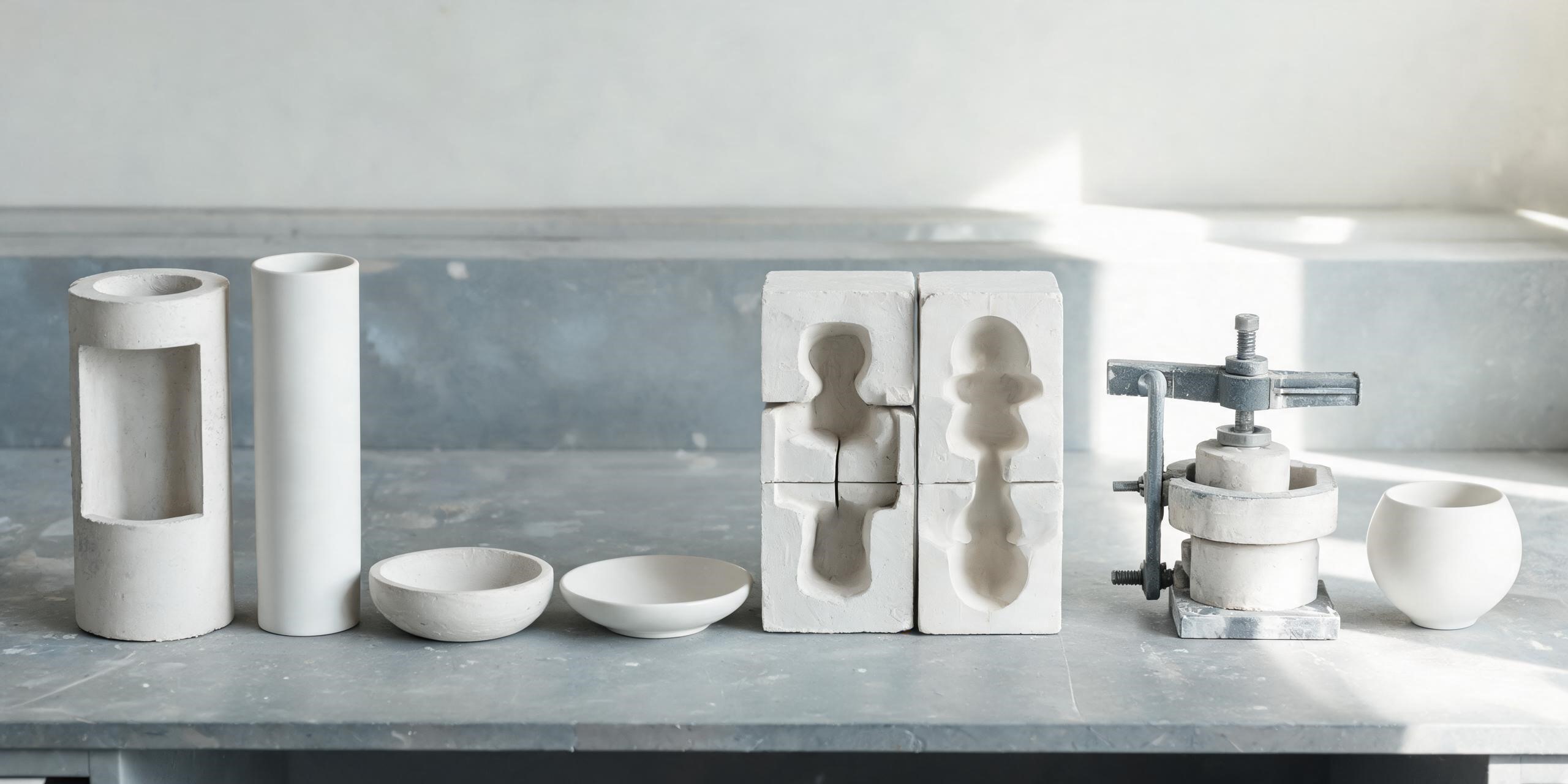
Slip Casting Methods: Hollow, Centrifugal, Solid and Pressure Casting
View Details: Slip Casting Methods: Hollow, Centrifugal, Solid and Pressure Casting Read Article: Slip Casting Methods: Hollow, Centrifugal, Solid and Pressure CastingSlip casting is not a single method but a family of forming techniques united by one idea: that liquid clay, poured or forced into a mould,…
-
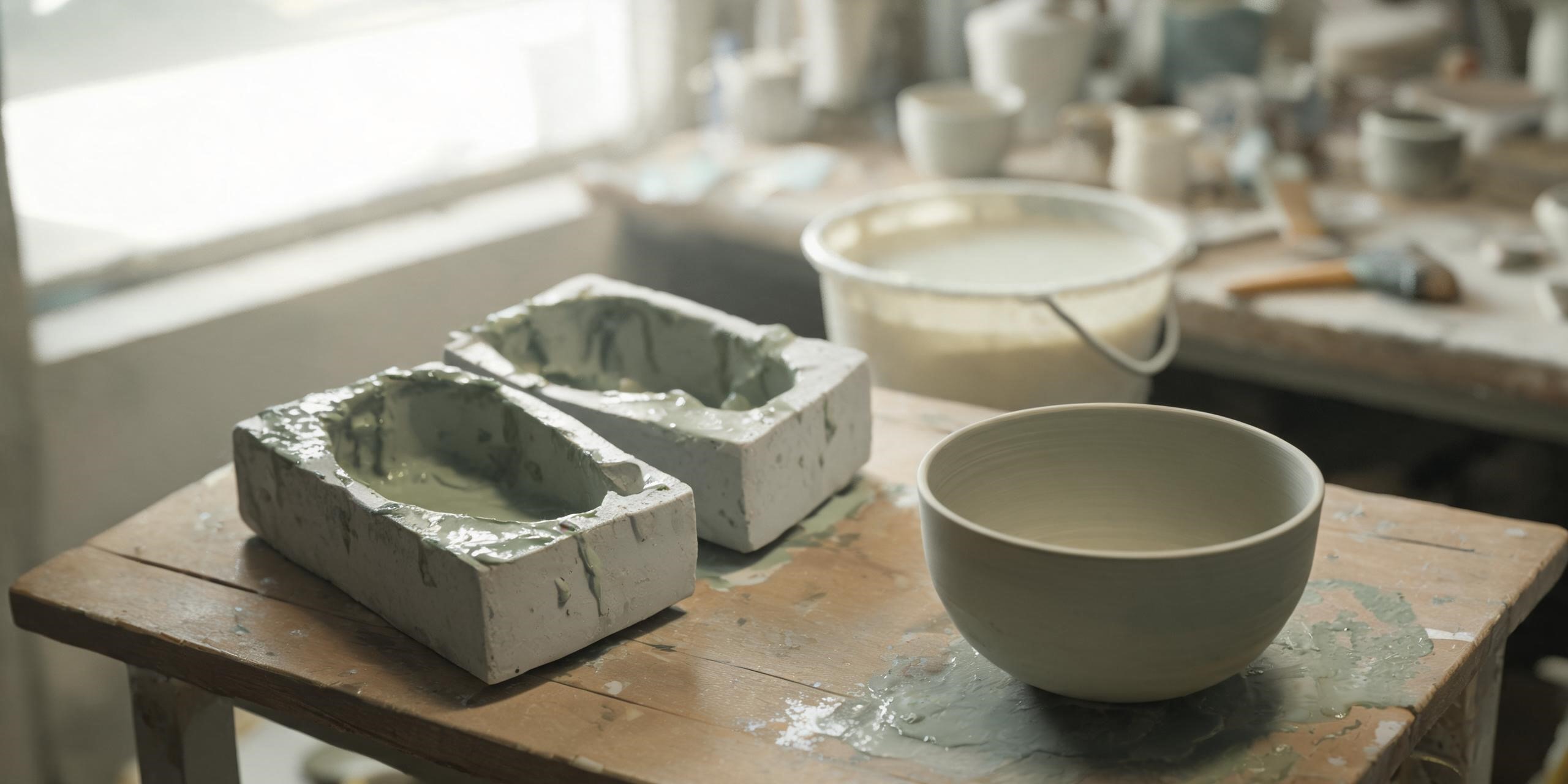
Hollow Slip Casting in Jingdezhen: Wall Thickness and Workshop Control
View Details: Hollow Slip Casting in Jingdezhen: Wall Thickness and Workshop Control Read Article: Hollow Slip Casting in Jingdezhen: Wall Thickness and Workshop ControlHollow casting is the workhorse of Jingdezhen tableware. Slip is poured into a plaster mould, the mould draws water through its wall, a shell of clay…
-
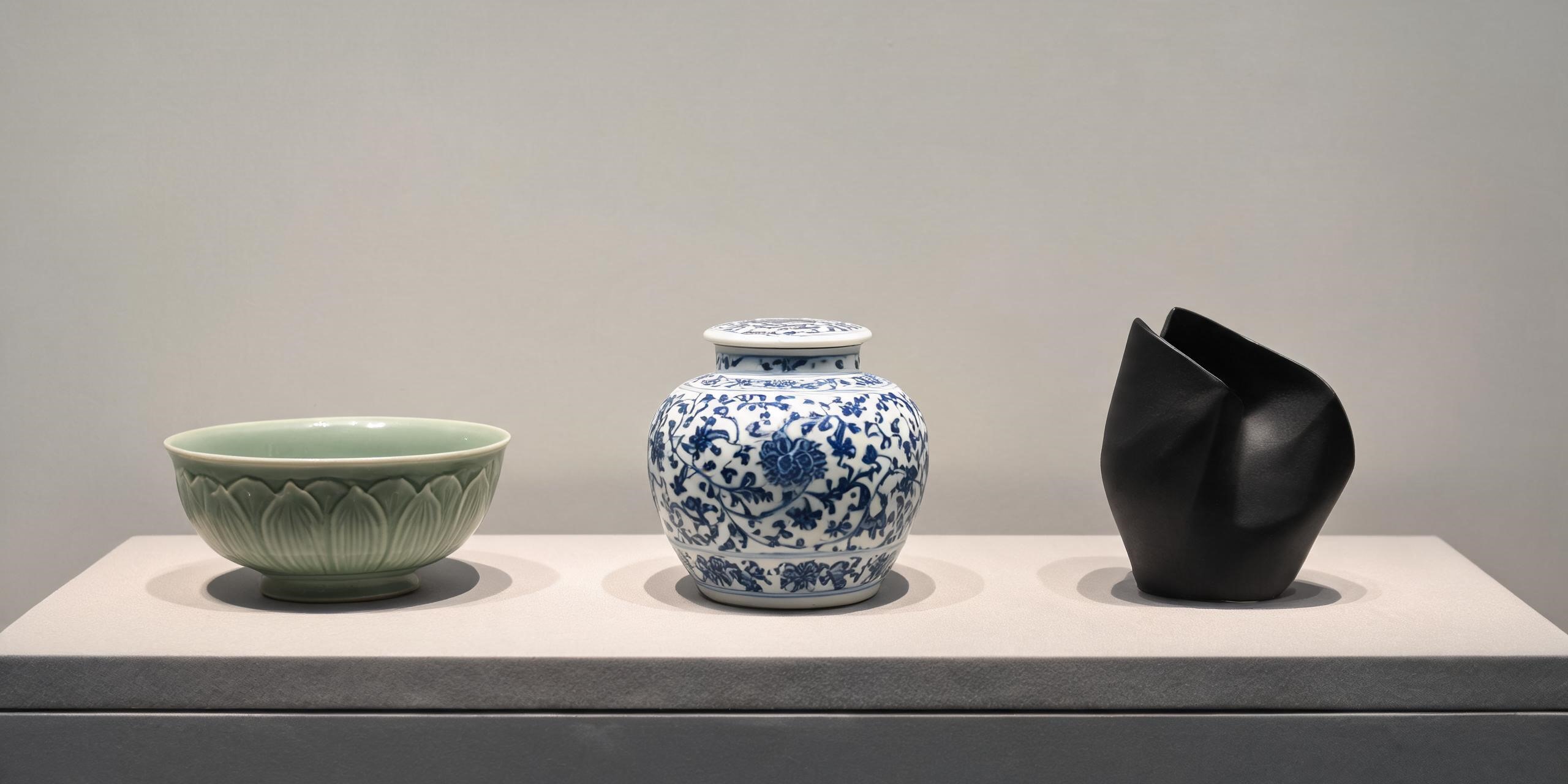
The Evolution of Chinese Ceramic Art: 1980s to Today
View Details: The Evolution of Chinese Ceramic Art: 1980s to Today Read Article: The Evolution of Chinese Ceramic Art: 1980s to TodayThe evolution of Chinese ceramic art over the last forty years is one of the most striking stories in contemporary craft. From a field dominated by…
-
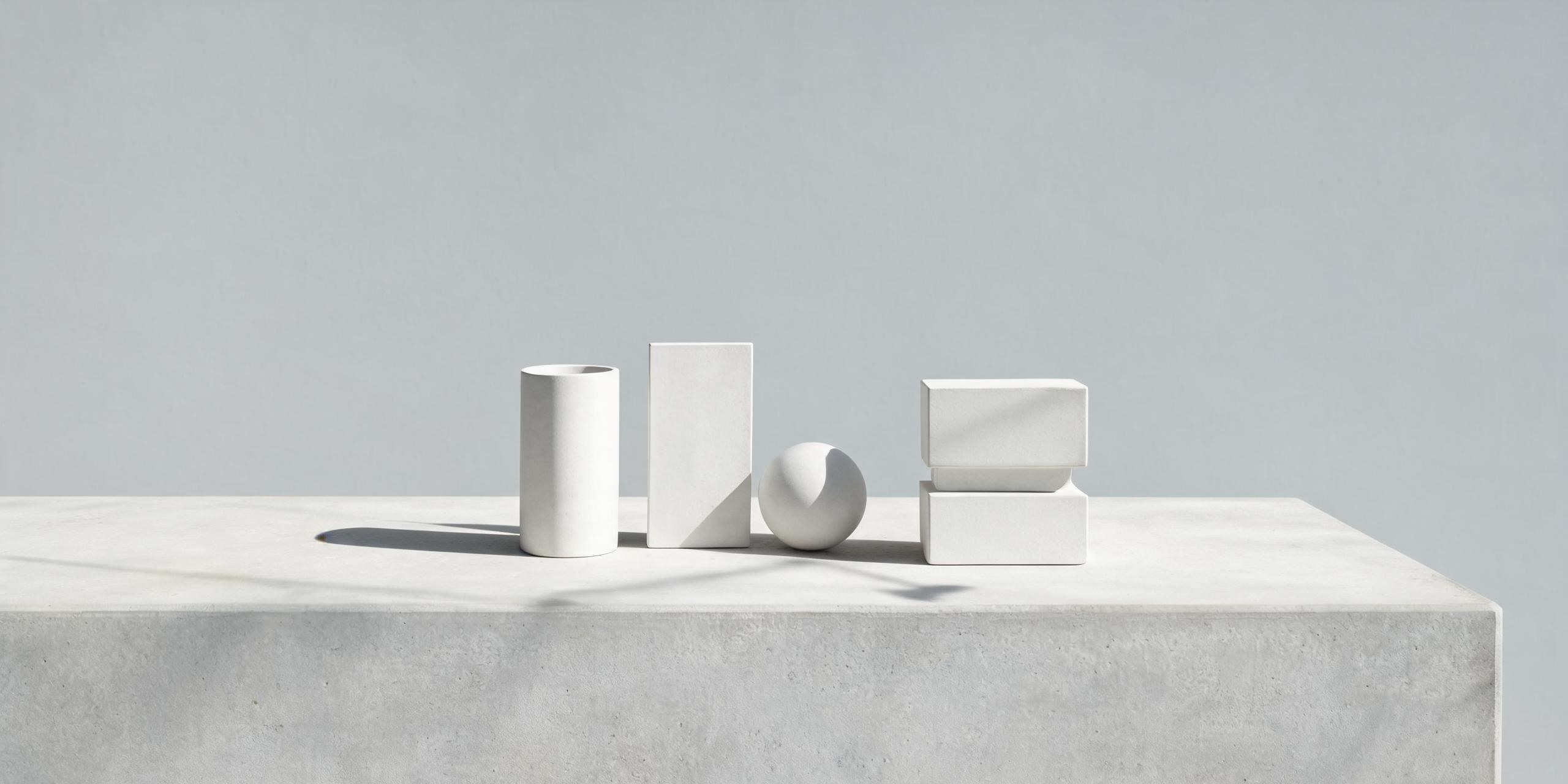
Geometric Elements in Modernist Ceramic Art: From Voulkos to Jingdezhen
View Details: Geometric Elements in Modernist Ceramic Art: From Voulkos to Jingdezhen Read Article: Geometric Elements in Modernist Ceramic Art: From Voulkos to JingdezhenGeometric form is the hidden grammar of modernist ceramic art. When ceramic artists of the twentieth century broke with the decorated vessel and turned to pure…
-
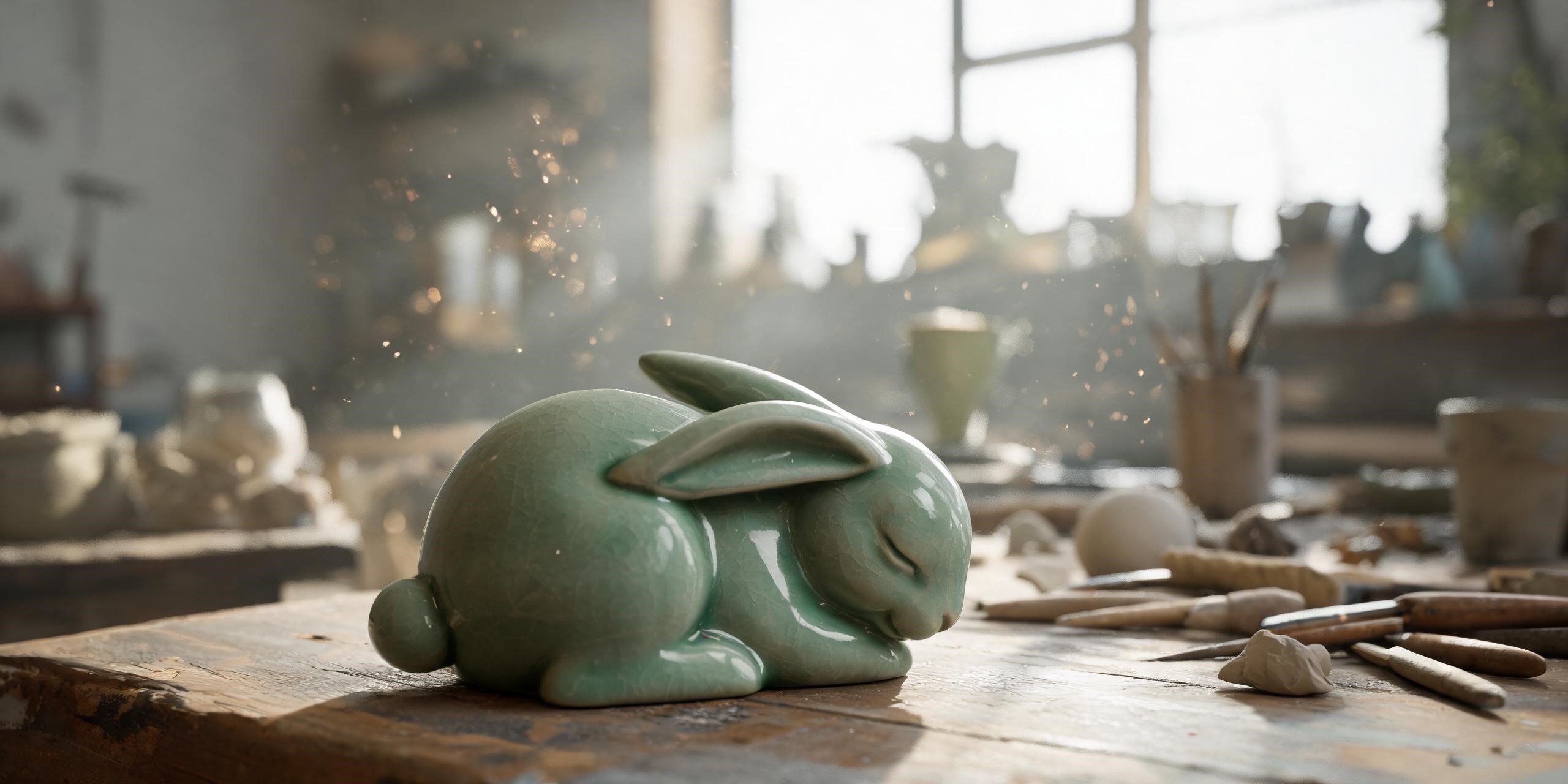
Tradition and Innovation in Chinese Ceramic Sculpture: Yao Yongkang and Wu Haoyu
View Details: Tradition and Innovation in Chinese Ceramic Sculpture: Yao Yongkang and Wu Haoyu Read Article: Tradition and Innovation in Chinese Ceramic Sculpture: Yao Yongkang and Wu HaoyuTwo sculptors working in Jingdezhen stand at opposite ends of the same argument about Chinese ceramic sculpture. One reaches back to the Song dynasty for his…
-
Intangible Heritage and Trend Toys: How Old Crafts Reach Young Buyers
View Details: Intangible Heritage and Trend Toys: How Old Crafts Reach Young Buyers Read Article: Intangible Heritage and Trend Toys: How Old Crafts Reach Young BuyersThree collaborations in eighteen months moved the craft-and-collectible debate into new territory. A dough-figurine master in Wuhu turned designer characters into hand-pinched figures and drew queues…
-
Statuary Porcelain: Form and Painted Surface in Jingdezhen
View Details: Statuary Porcelain: Form and Painted Surface in Jingdezhen Read Article: Statuary Porcelain: Form and Painted Surface in JingdezhenStatuary porcelain is the branch of Chinese ceramics that is judged first as sculpture and only second as pottery. A figure, an animal or a pillow…
-
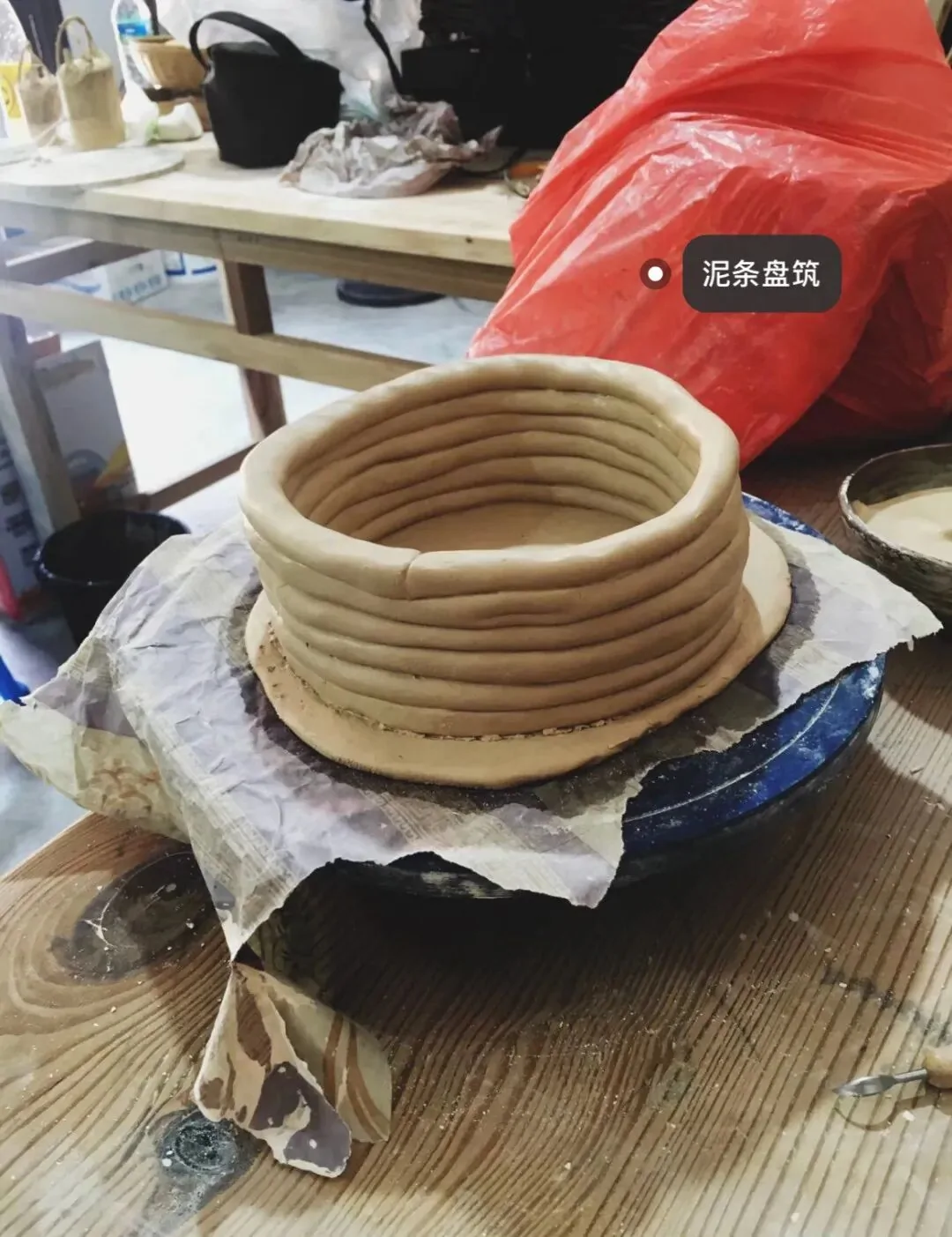
Hand-Building Techniques: Pinch, Slab, Coil, Throw, Carve
View Details: Hand-Building Techniques: Pinch, Slab, Coil, Throw, Carve Read Article: Hand-Building Techniques: Pinch, Slab, Coil, Throw, CarveFive hand methods carry most studio work: pinching (捏雕, niēdiāo), slabbing (泥板法, níbǎnfǎ), coiling (围塑, wéishù, also 盘筑), throwing (拉塑, lāshù) and carving (雕刻, diāokè). Four…