
In short
The history of blue and white porcelain runs from tentative Tang-dynasty experiments with imported cobalt to maturity at the Yuan kilns of Jingdezhen, a celebrated peak under the Ming emperors Yongle and Xuande, and a wide Qing family of styles before the late-Qing decline. It is an underglaze technique: cobalt is painted on the body, covered with a clear glaze and fired once at high temperature.
Key takeaways
- Blue and white is underglaze-painted: cobalt on the unfired body, a transparent glaze, and one high-temperature firing.
- The mature form appeared at the Hutian kilns of Jingdezhen in the Yuan; Yongle and Xuande Ming wares are widely regarded as the finest.
- Because cobalt, body and glaze change with each period, date can be read from the material itself.
Blue and white porcelain timeline: a dynasty-by-dynasty overview
| Period | Dates | Cobalt, body and glaze | What to look for |
|---|---|---|---|
| Tang | 618–907 | Imported West or Central Asian cobalt, low in manganese and iron, with copper; whitish body. | Rare, technically tentative wares; intense blue with dark crystalline specks. |
| Song | 960–1279 | Local cobalt firing grey-blue, grey-black or near-black; greyish-white body. | Almost no complete vessels survive; pigment bleeds into the glaze. |
| Yuan | 1271–1368 | Imported “Sumali qing” cobalt from Persia; mature Jingdezhen body. | Sapphire blue with iron spots; monumental, densely banded “Zhizheng-type” forms. |
| Ming, Yongle–Xuande | 1403–1435 | Sumali cobalt, with domestic Chinese cobalt from the Xuande period onwards; refined bodies and glazes. | Visible brush layering; graceful Yongle forms, sturdier Xuande ones; floral scrolls. |
| Qing, Kangxi | 1662–1722 | Zhejiang cobalt with Yunnan “Zhuming” pigment; pure white body. | “Kingfisher blue” and the blue divided into five tones for shading. |
| Qing, Yongzheng | 1723–1735 | Finely refined Zhejiang cobalt; white body and a lustrous, faintly blue-flushed glaze. | Two imitative manners: soft Chenghua-style outline-and-wash, and rich Yongle–Xuande-style stippling. |
| Qing, Qianlong | 1736–1795 | Zhejiang cobalt firing a full, even “true blue”. | Dense ornament with fifty or sixty motifs in common use; very high technique. |
| Late Qing | 1796–1911 | Thin, weak cobalt floating in the glaze; coarser, greyer and thicker bodies. | A general decline in both quality and quantity. |
The history in six turning points
- Tang (618–907). The first cobalt-painted experiments, made with imported pigment and never an industry.
- Song (960–1279). A quiet interlude: court taste favoured monochrome wares, and the type survives mainly as fragments.
- Yuan (1271–1368). Maturity at Jingdezhen — imported Sumali cobalt, monumental forms and the shift from plain glazes to painted ones.
- Ming (1368–1644). The Yongle–Xuande golden age, when refined bodies, intense cobalt and superb painting came together.
- High Qing (1662–1795). Kangxi gradation, Yongzheng refinement and Qianlong technical brilliance.
- Late Qing (1796–1911). Coarser bodies, thinner cobalt and a sharp fall in imperial quality.
Blue and white porcelain evolved over more than a thousand years: it was first tentatively produced in the Tang dynasty with imported cobalt, matured at Jingdezhen’s Hutian kilns in the Yuan dynasty, reached its celebrated peak under the Ming emperors Yongle and Xuande, and diversified into a wide family of styles under the Qing rulers Kangxi, Yongzheng and Qianlong, before declining in the late Qing period.
What is blue and white porcelain?
Blue and white porcelain — qinghua, “blue flower”, in Chinese — is one of the principal families of Chinese porcelain and a defining product of Jingdezhen. It is an underglaze-painted ware: the decorator paints the design in a cobalt-bearing pigment directly onto the unfired or biscuit body, covers it with a transparent glaze, and fires the piece once at high temperature in a reducing atmosphere.
Cobalt is an unusually reliable ceramic colourant. It fires to a vivid blue, has strong colouring power, a high success rate in the kiln and a stable finished colour, which is why the technique spread so widely once it was mastered. The full making process — pigment preparation, outlining, washing and glazing — is described in our companion article on how blue and white porcelain is made.
Primitive blue and white wares appeared in the Tang and Song dynasties, but the mature form emerged at the Hutian kilns of Jingdezhen in the Yuan dynasty. In the Ming it became the mainstream of porcelain production and reached its apex in the Xuande period.
The Ming and Qing potters also created a range of derivative types, among them blue and white with polychrome enamels (wucai), blue and white with peacock-green, celadon or crackled ge-type glazes, and blue and white with overglaze iron-red or yellow grounds.
Tang dynasty: the first experiments
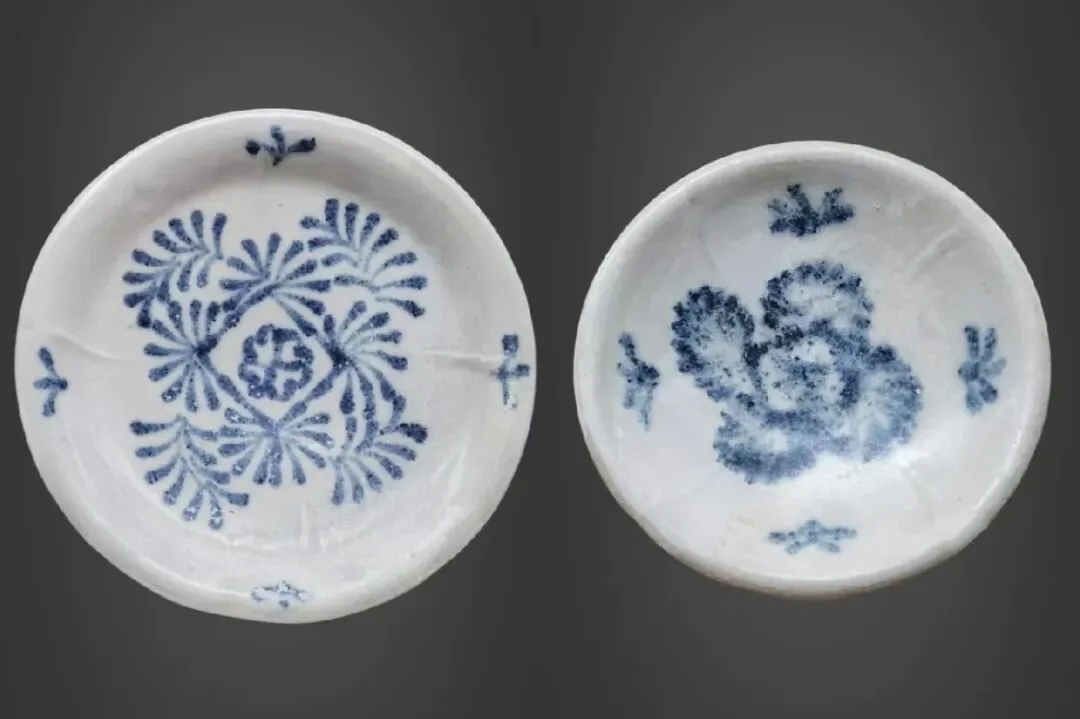
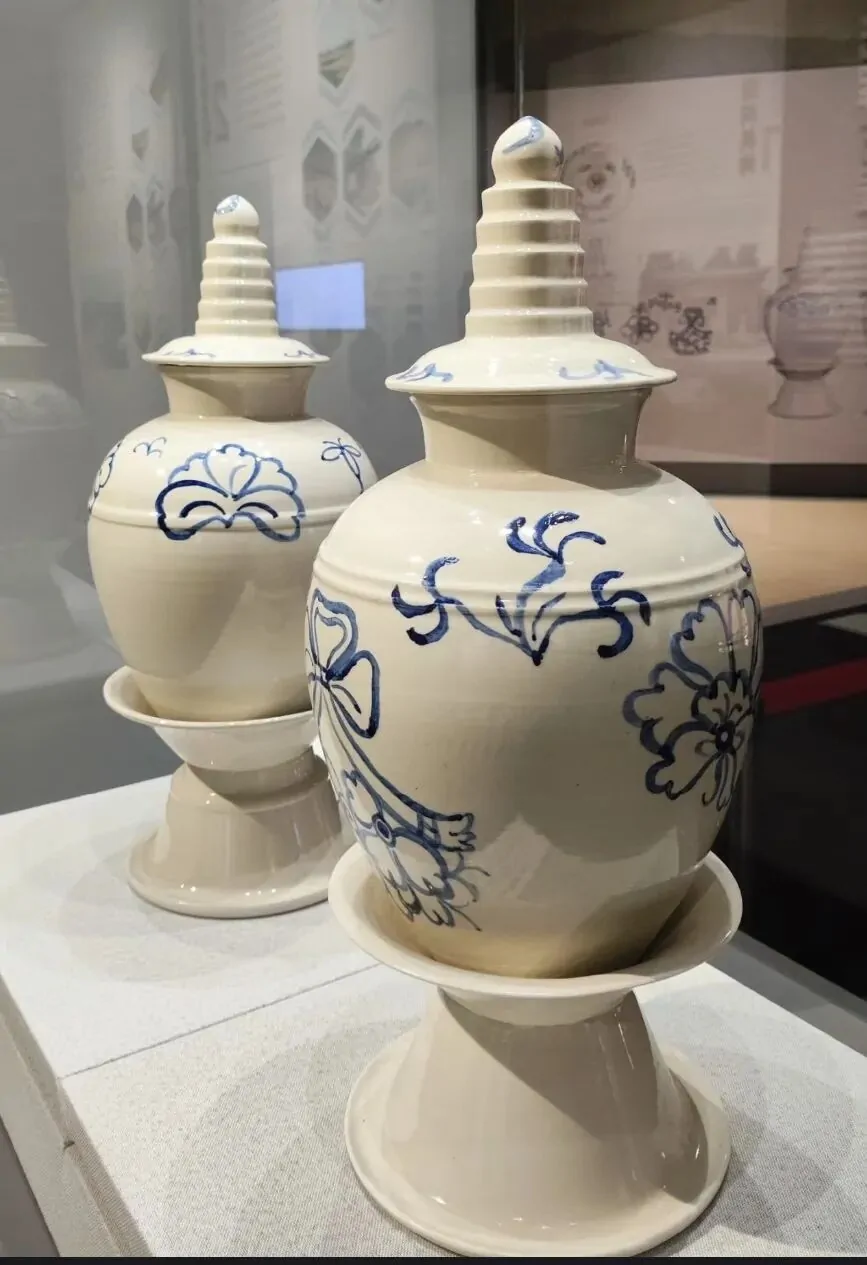
The Tang dynasty (618–907) was the infancy of blue and white porcelain. The cobalt pigment used on surviving Tang pieces is thought to have been imported from West or Central Asia. Its chemical character — low in manganese and iron, and containing copper — fired to a rich, intense blue, often with dark crystalline specks visible in the decoration.
These Tang wares are rare and technically tentative, but they prove that Chinese potters were already painting with cobalt on a whitish body more than five centuries before the technique became an industry.
Song dynasty: a quiet interlude
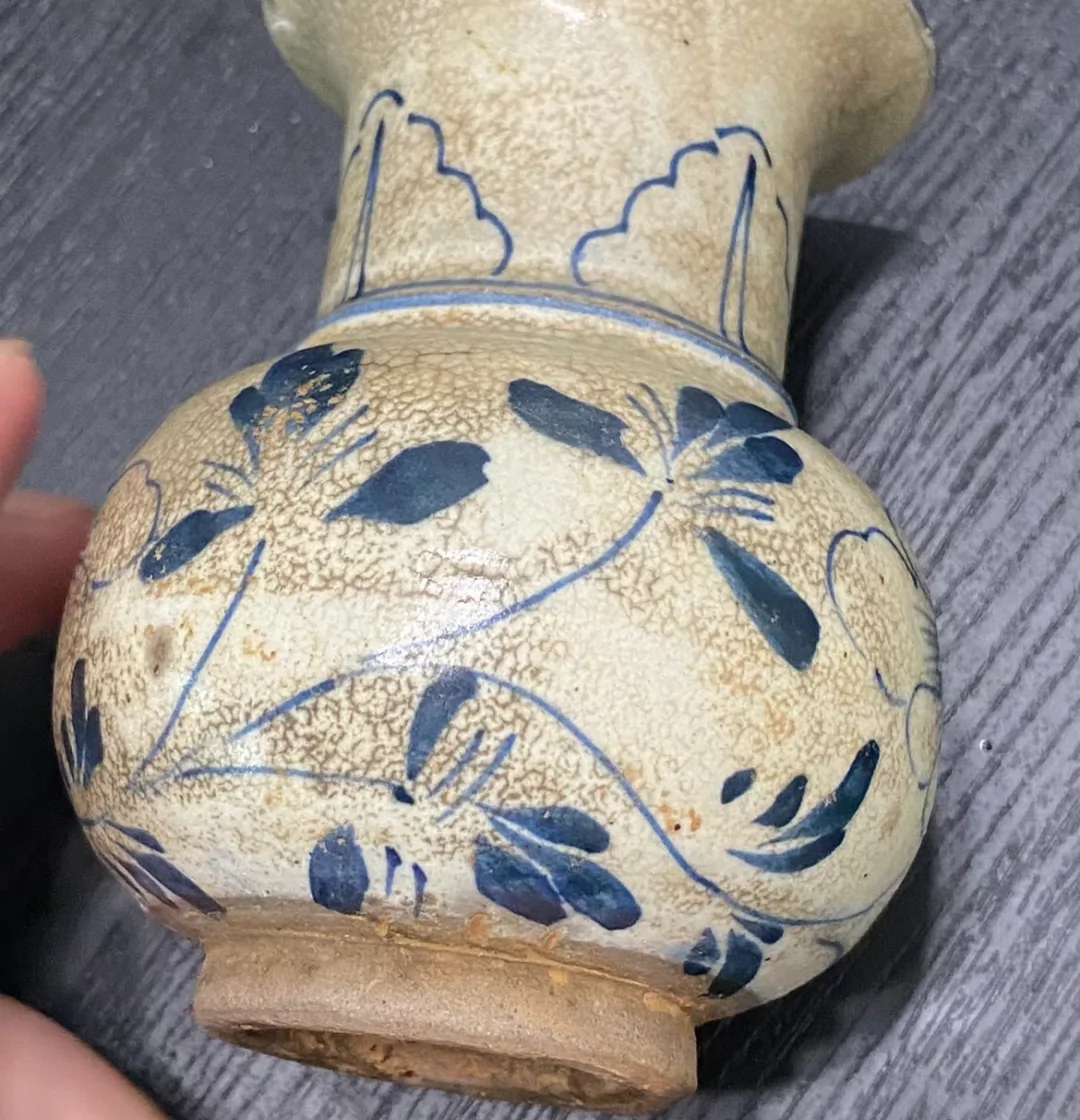
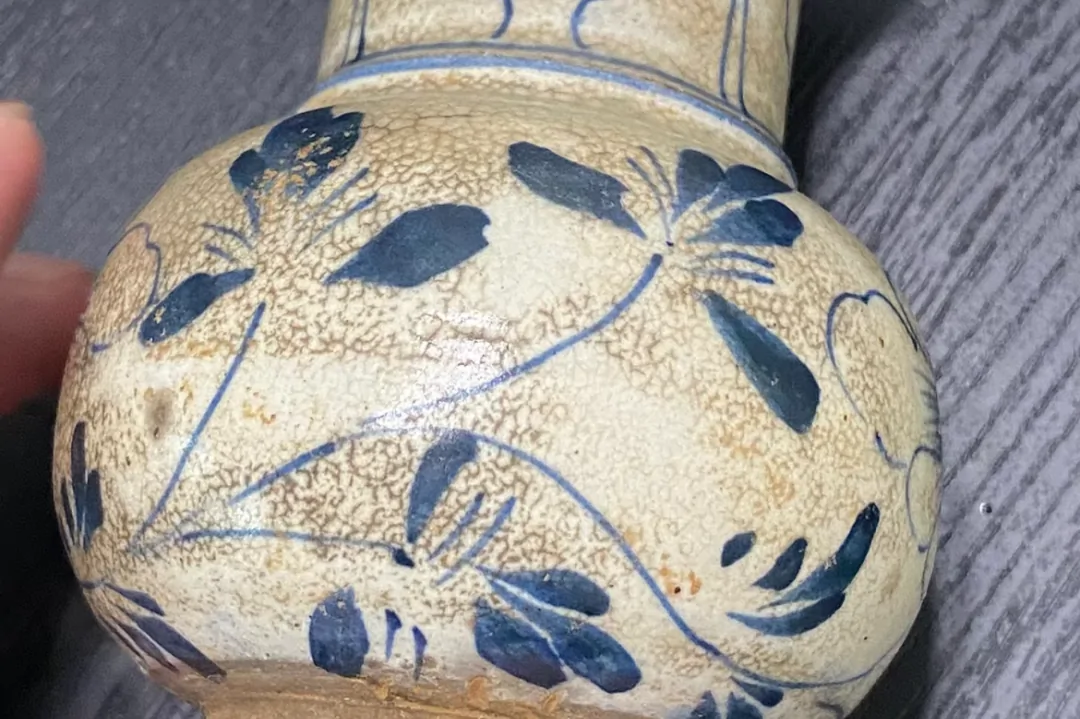
Blue and white did not flourish under the Song (960–1279). Court taste and the literati aesthetic of the period favoured refined monochrome wares — the celadons, whites and understated glazes of the great kilns — so painted blue decoration never became fashionable. Almost no complete Song blue and white vessels have been excavated; the type is known mainly from fragments.
Those fragments show a greyish-white body and a cobalt that fires grey-blue, grey-black or even near-black, usually with noticeable bleeding of the pigment into the glaze. Song blue and white is therefore best understood as a quiet interlude: the technique survived, but without patronage it did not develop.
Yuan dynasty: maturity at Jingdezhen
The Yuan dynasty (1271–1368) brought the breakthrough. Blue and white porcelain reached maturity at Jingdezhen — whose kilns were on their way to becoming China’s porcelain capital, a story told in our history of the porcelain city — and the medium shifted Chinese ceramics from an age of plain glazed wares to an age of painted ones. Production scaled up rapidly and blue and white became one of the dominant products of the industry.
Three features define Yuan blue and white:
- Rarity. Fewer than about three hundred substantially complete Yuan blue and white pieces are thought to survive worldwide, which is one reason the type commands such attention from collectors and museums.
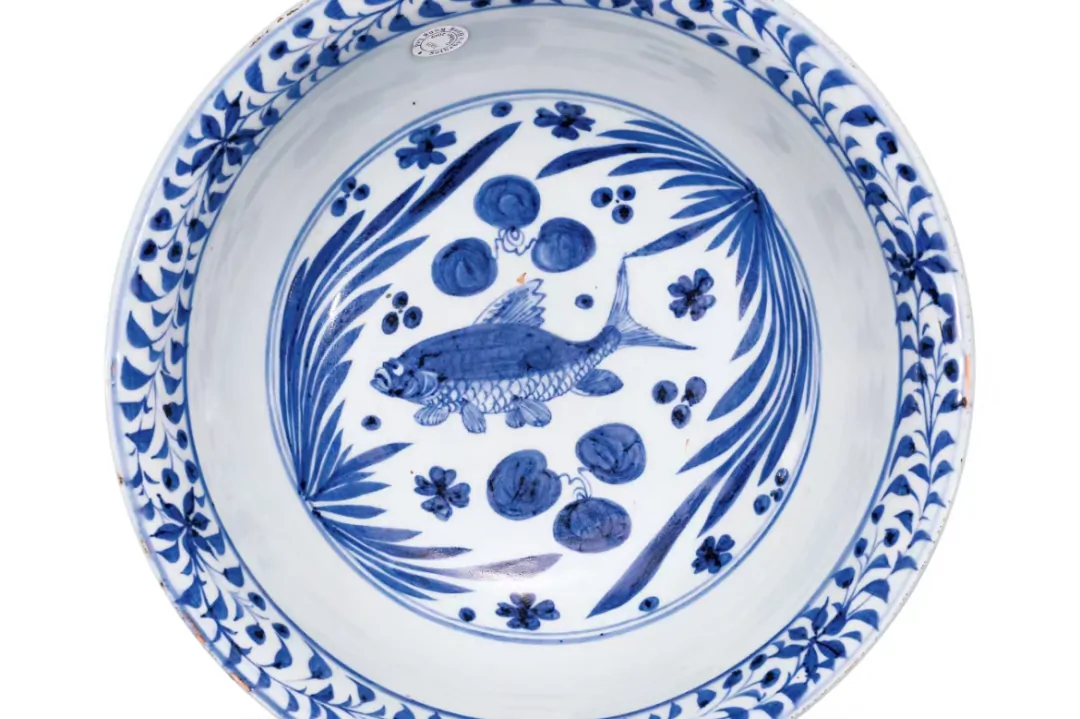
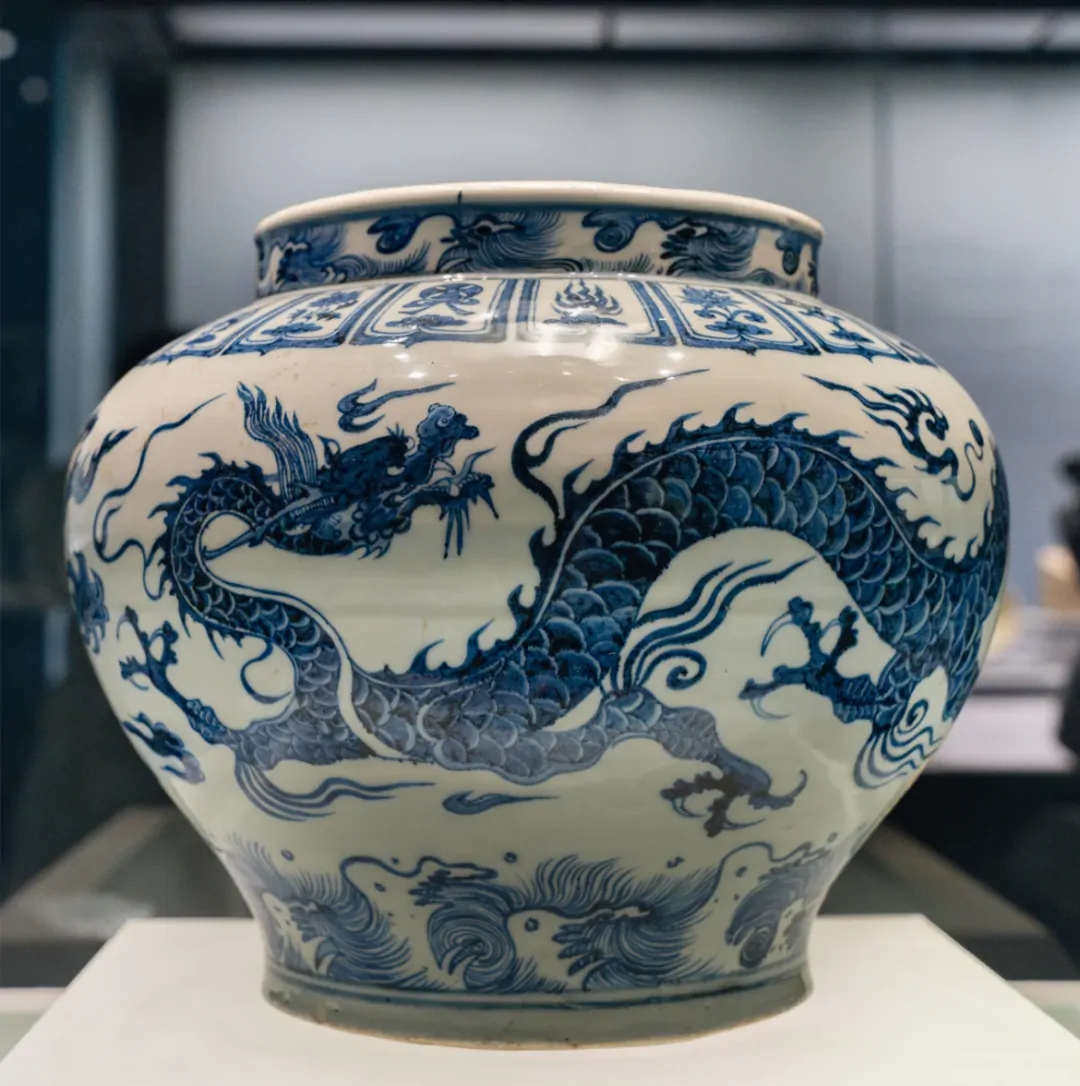
- Imported “Sumali” cobalt. Yuan decorators used a precious cobalt imported from Persia, known in Chinese as Sumali qing. It fires a vivid sapphire blue, tends to bleed slightly into the glaze and shows dark “iron spots” where the pigment was laid on thickly. Painted with bold single strokes, it gives Yuan wares their rich, vigorous and strongly layered character.
- Monumental forms. Yuan blue and white is often large, and the biggest pieces carry decoration in many horizontal bands. Art historians call these densely painted works “Zhizheng-type” wares, after the late Yuan reign period; they are the most characteristic of all Yuan blue and white and embody its exuberant style.
Ming dynasty: the Yongle–Xuande golden age
The Ming dynasty (1368–1644) was the high point of Chinese porcelain-making, and blue and white made under the Yongle (r. 1403–1424) and Xuande (r. 1426–1435) emperors is regarded as the finest ever produced. These wares combined refined bodies and glazes, intense cobalt colour and superb painting, and they have been famous among connoisseurs ever since.
Three points characterise the Yongle–Xuande achievement:
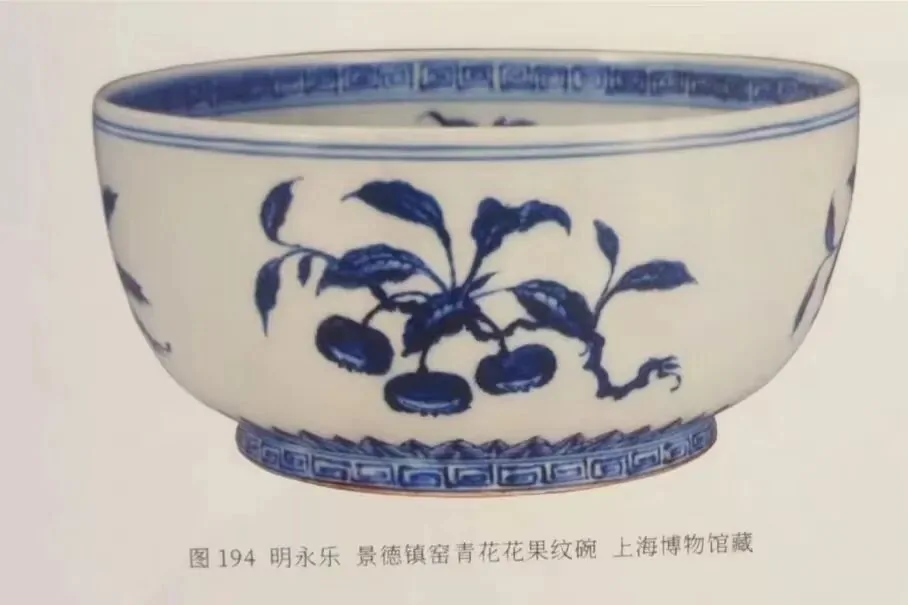
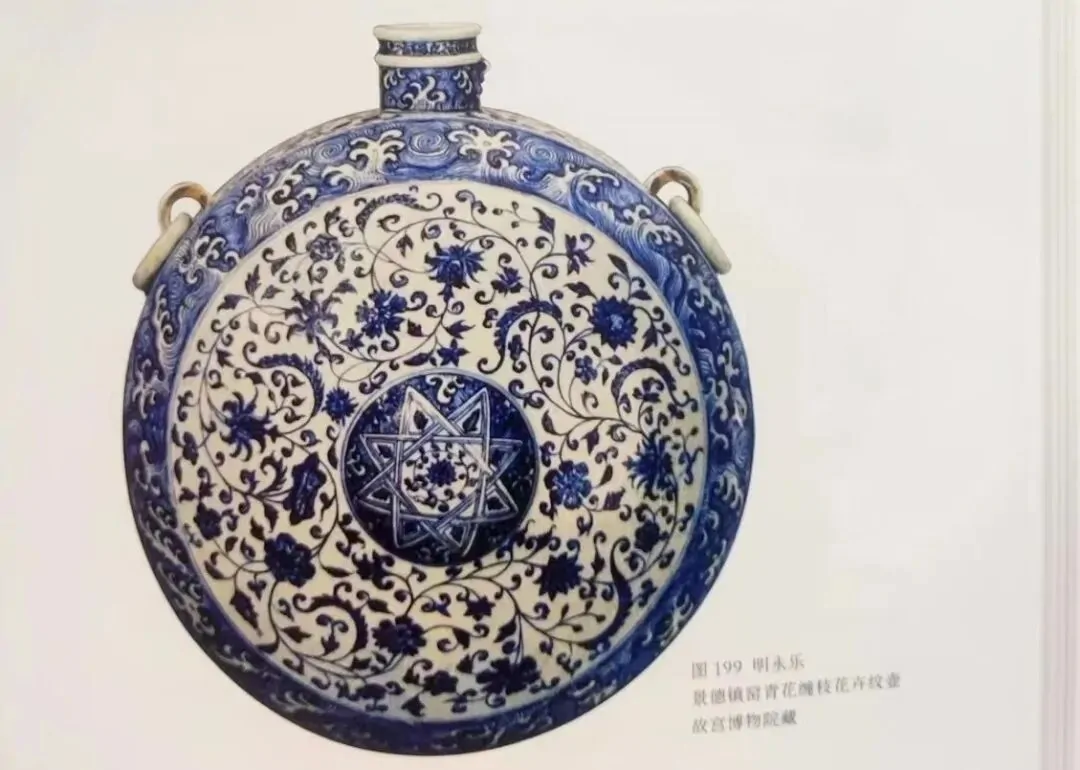
- Continued use of Sumali cobalt, applied in a new way. Painters built up the colour with repeated small touches of the brush rather than single washes, so the strokes remain visible, with deliberate light and dark passages and clear layering. From the Xuande period onwards, domestic Chinese cobalt also came into use, and decorators began to combine imported and native pigments in the same piece.
- Dignified, confident design. Political ambition shaped the wares: sizes are substantial and the ornament projects strength and order. In general, Yongle blue and white is graceful — relatively light, well-proportioned forms with open, airy decoration — while Xuande blue and white is sturdier: heavier, finely finished forms under a thick, lustrous glaze with denser patterning.
- Floral ornament. The characteristic motifs are flowers: continuous scrolling stems (chanzhi) used as bands and borders, and scattered detached sprays (zhezhi) set against open ground.
Qing dynasty: Kangxi, Yongzheng and Qianlong
Porcelain production recovered after the change of dynasty, and under the three great Qing emperors — Kangxi (r. 1662–1722), Yongzheng (r. 1723–1735) and Qianlong (r. 1736–1795) — workmanship reached the highest technical level in the history of Chinese ceramics.
Kangxi: “kingfisher blue” and painting in five tones
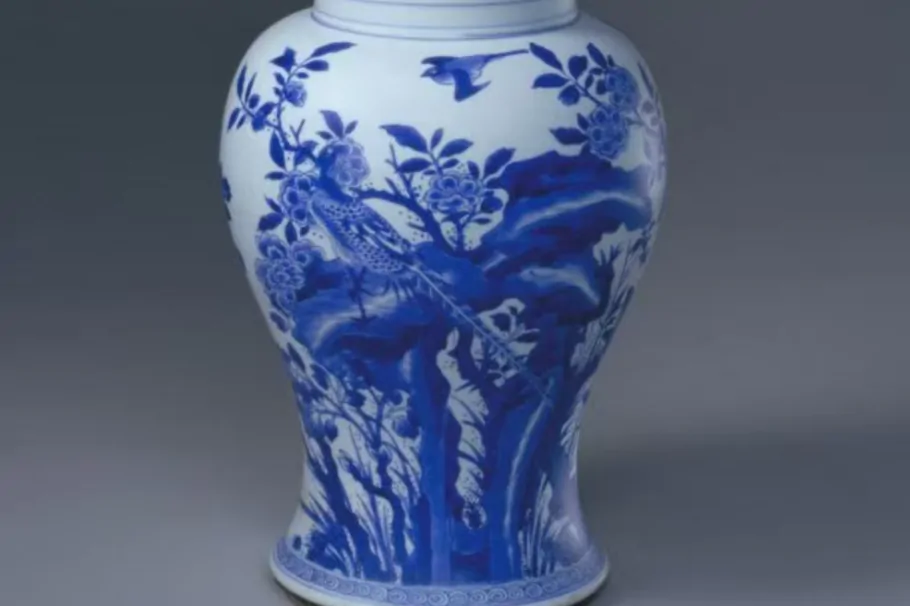
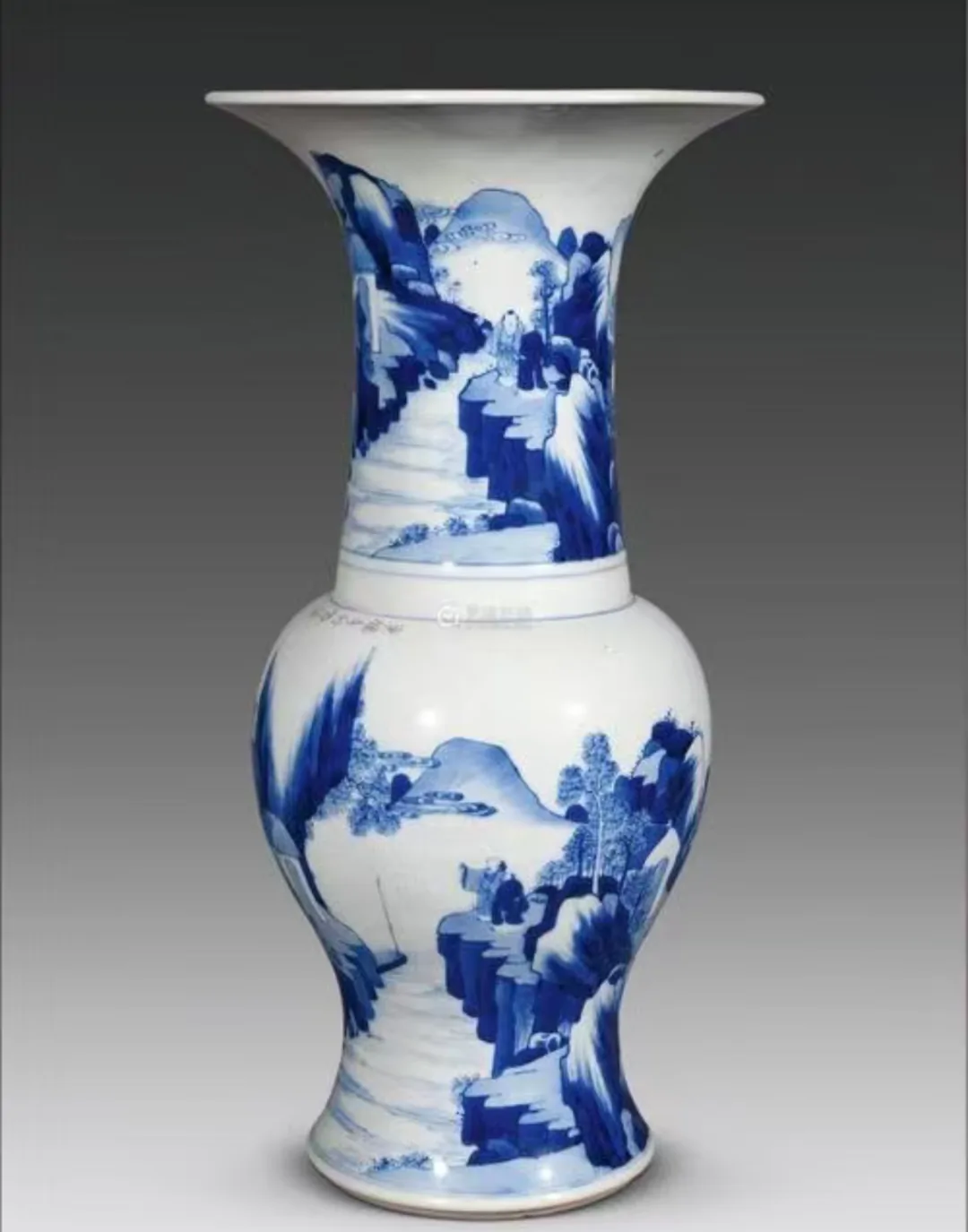
Although the Kangxi period is also celebrated for its famille verte and monochrome glazes, blue and white remained the mainstream product and circulated more widely than ever. Kangxi decorators used Zhejiang cobalt together with the fine “Zhuming” pigment from Yunnan, achieving a brilliant, clear, jewel-like blue praised as “kingfisher blue” and “sapphire blue”.
The period’s signature technical advance was colour gradation — “dividing the blue into five tones”, as connoisseurs put it, borrowing the language of ink painting. By diluting the cobalt, painters could model near and distant mountains or the folds of a robe within a single composition, which greatly expanded the expressive range of blue and white.
Subject matter became correspondingly encyclopaedic: archaistic bronze patterns, court ladies and martial figures, scrolling flowers, birds and animals, with dragons, phoenixes and the “three friends” — pine, bamboo and plum — especially favoured. Kangxi potters also produced blue and white on coloured grounds, including celadon-ground, powder-blue-ground and iron-red-decorated versions.
Yongzheng: refinement in two manners
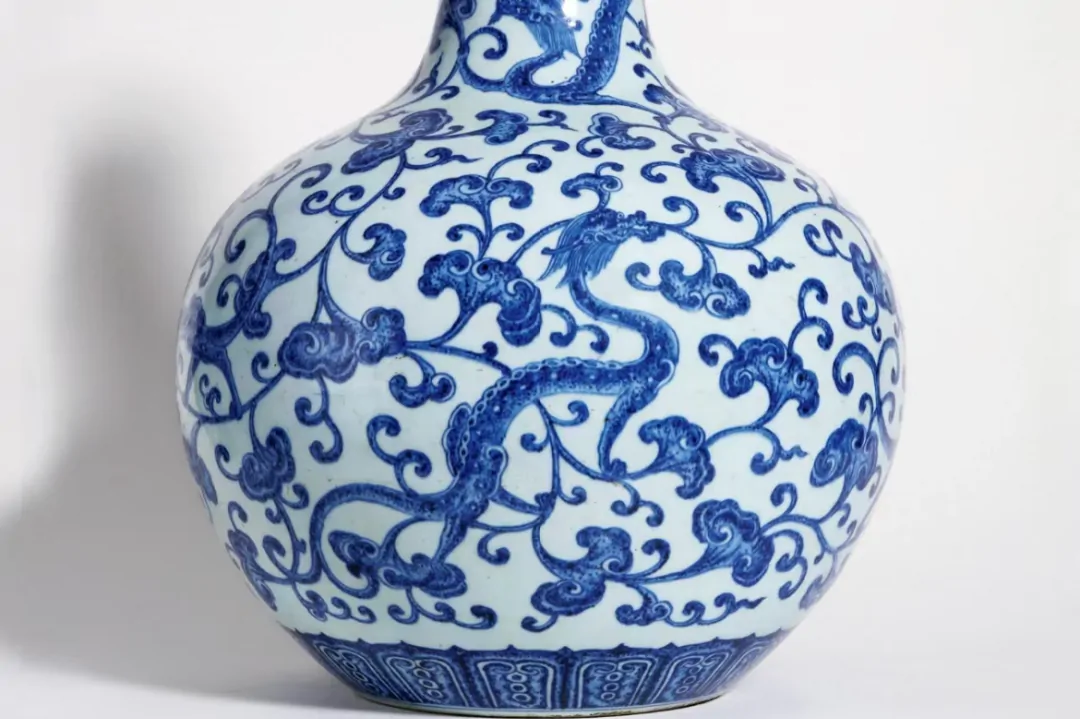
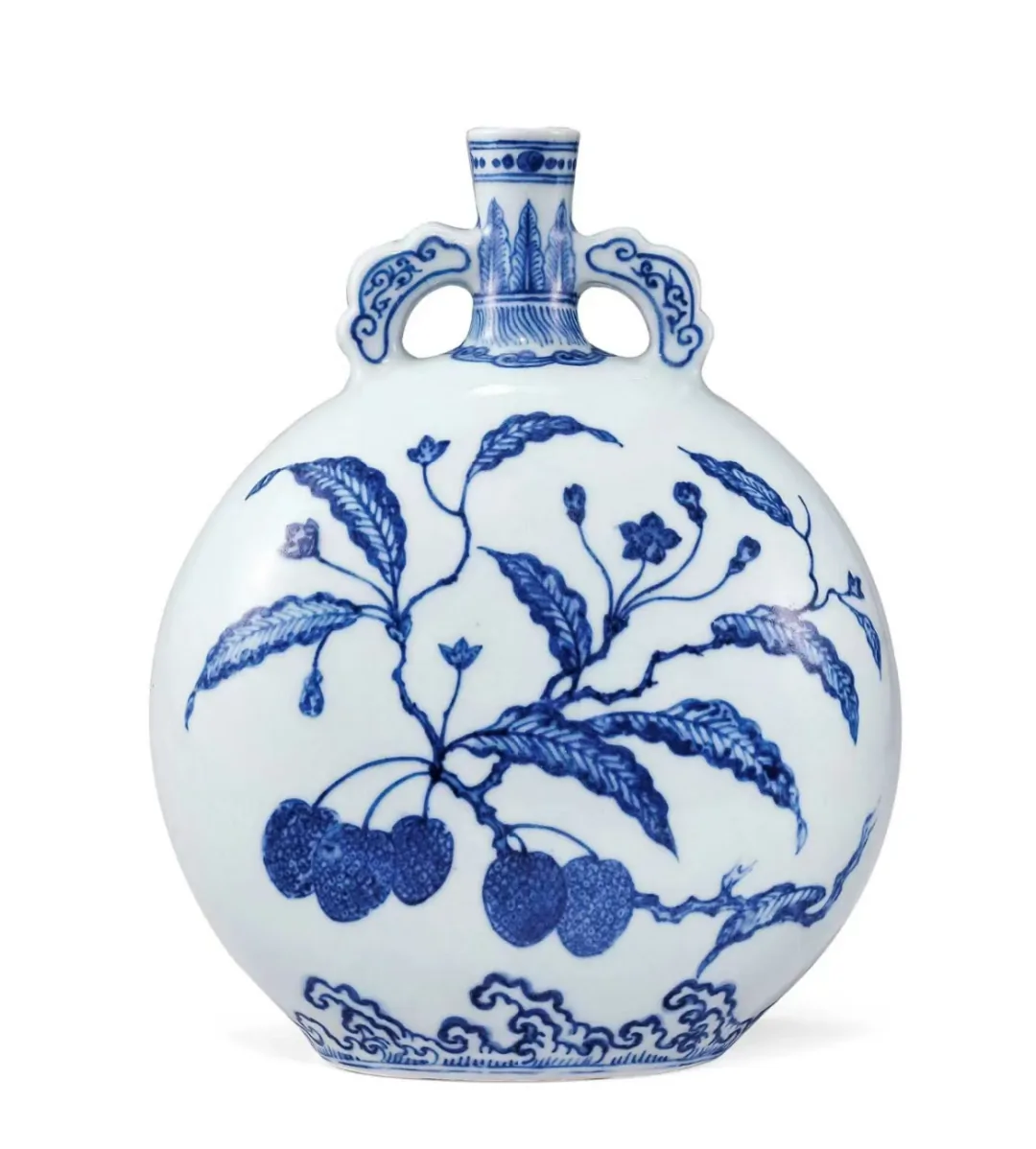
Yongzheng blue and white is admired for its elegance: a pure white, fine body, a lustrous, almost glassy glaze faintly flushed with blue, and light, beautifully proportioned forms. The cobalt — the best Zhejiang material, further refined — was handled in two distinct manners:
- Soft and pale, in deliberate imitation of the delicate “outline and wash” painting of the Chenghua period, using fine iron-wire lines for a gentle, restrained effect.
- Rich and deep, in imitation of Yongle and Xuande wares, in which domestic cobalt was made to mimic the imported pigment: decorators stippled the colour by hand to recreate the darker “tin spots” and soft bleeding of the fifteenth-century originals.
Composition under the Yongzheng emperor was carefully matched to the shape of the vessel, with open spacing, a clear hierarchy and a single dominant theme. Floral subjects remained central, and the overall effect — disciplined but never rigid — is exceptionally decorative.
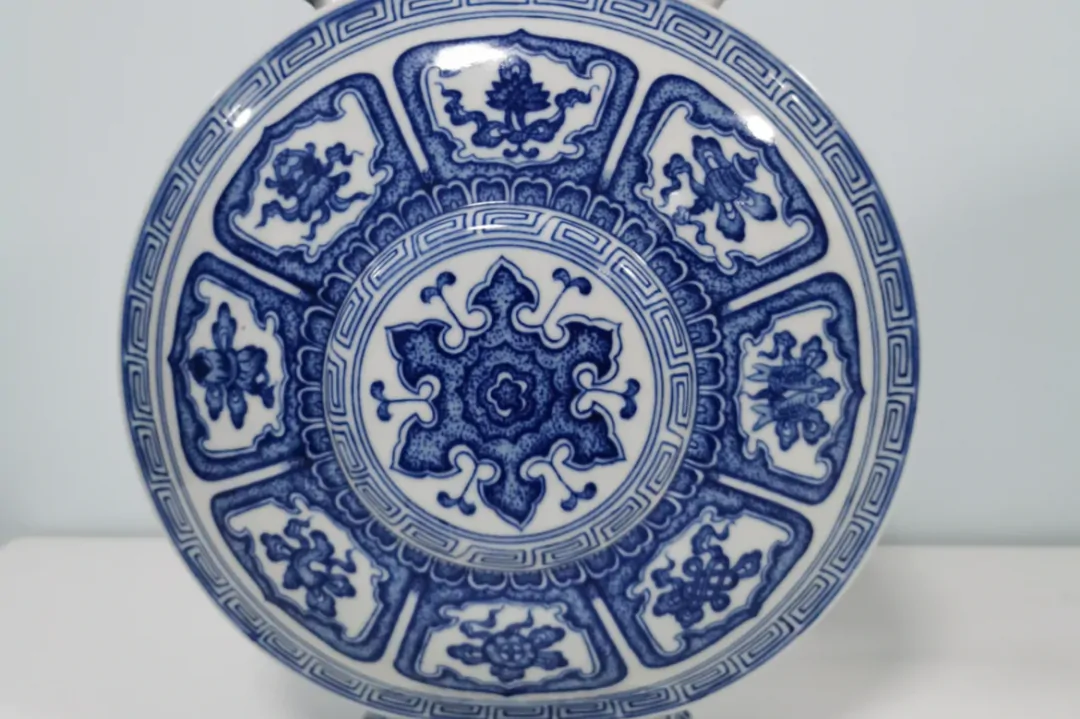
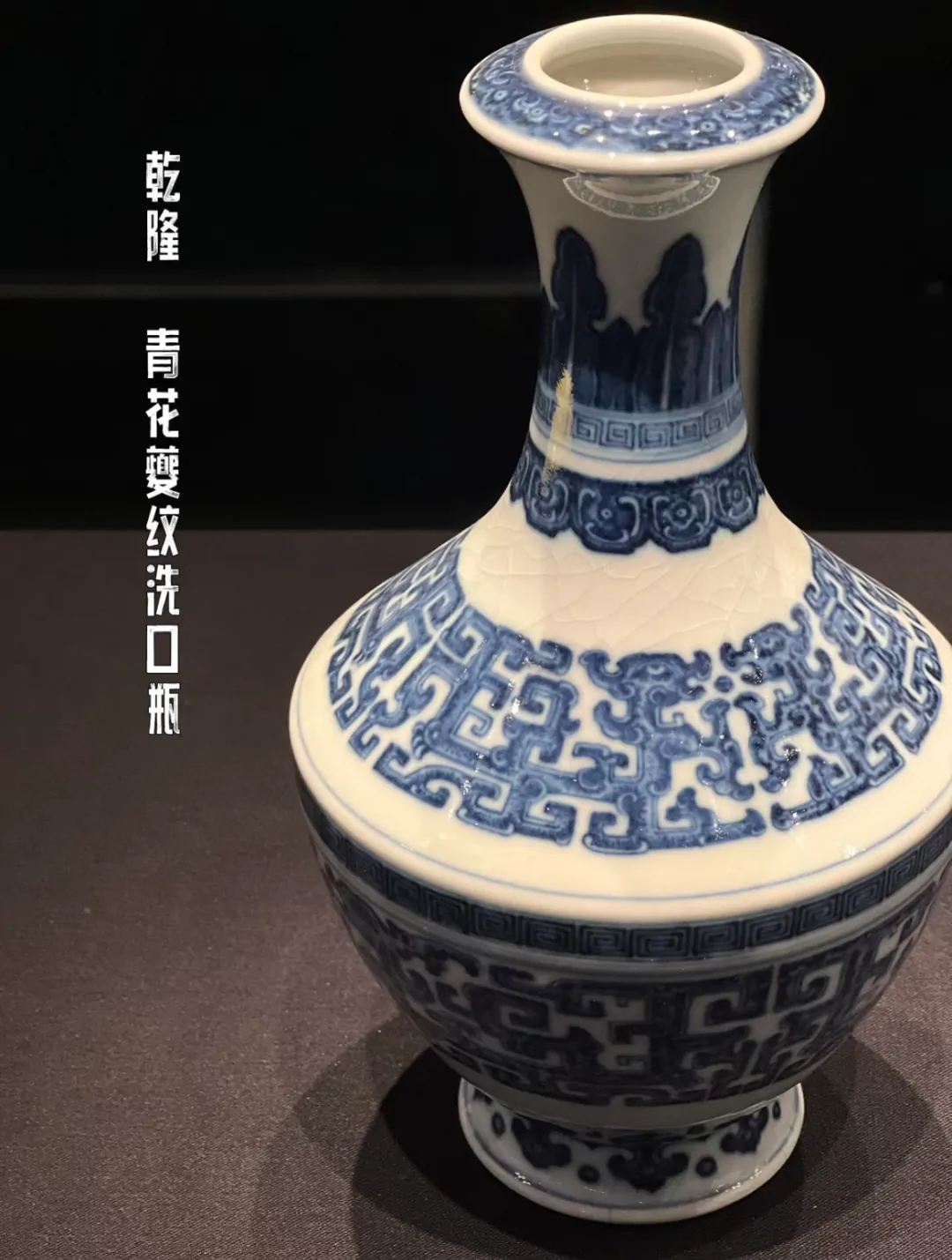
Qianlong: technical brilliance and dense ornament
Qianlong blue and white is marked by ingenuity of form. Both large and small pieces were made to a very high standard, and special or novel types represent remarkable feats of workmanship. Ornament is famously abundant: fifty or sixty distinct decorative motifs were in common use, arranged in the dense, lively patterns typical of the period.
The pigment remained Zhejiang cobalt, firing a full, even, bright “true blue”. Judged purely as art, however, later connoisseurs have found Qianlong blue and white less forceful than Kangxi and less refined than Yongzheng — superb in technique, but caught between two more distinctive aesthetic personalities.
The late Qing decline
After the Qianlong period, political corruption, economic decline and social unrest damaged the empire’s productive capacity, and the quality of Jingdezhen’s imperial ware fell sharply. By the late Qing the industry presented a picture of decay, with both quality and quantity much reduced.
From the Jiaqing to the Xuantong reigns (1796–1911), blue and white bodies became coarser, slightly softer and faintly grey, and thicker in section than earlier wares; the cobalt fires thin and weak, floating in the glaze without depth. The long golden age was over.
Why does this history matter to collectors?
Because in blue and white porcelain, date is written in the material itself. The bleeding, iron-spotted sapphire of Yuan and early Ming Sumali cobalt, the graded “kingfisher blue” of Kangxi, the two imitative manners of Yongzheng and the dense “true blue” ornament of Qianlong each belong to a specific moment — and each can be read directly from the object.
Knowing this dynasty-by-dynasty sequence is the foundation both of connoisseurship and of confident collecting of Jingdezhen porcelain, and it explains why Yuan pieces, Yongle–Xuande imperial wares and fine Kangxi painting remain benchmarks of the market.
Explore Jingdezhen craftsmanship
The tradition described in this article continues in Jingdezhen today. Our workshops produce hand-painted blue and white plates, bowls, cups and teapots decorated in cobalt underglaze by trained artisans, alongside a wider range of art porcelain made with the same techniques. Browse the full porcelain collection to see current pieces.
Contact Jingdezhen Heritage
For enquiries about our porcelain, custom commissions or wholesale, please Email Jingdezhen Heritage · Message us on WhatsApp.
Image credits. Where a holding collection is documented in a caption, it is named there — the Shanghai Museum and the Palace Museum, Beijing. The remaining illustrations are reference photographs of period pieces reproduced from a Chinese-language article on ceramic history (Yingqing Taoyi, WeChat). They are shown for comparison and are not museum catalogue photographs; caption attributions follow that source article and have not been independently verified by this site.
Sources and further reading
Verified references
- How blue and white porcelain is made — pigment preparation, outlining, washing and glazing.
- Jingdezhen blue and white porcelain in 15 steps — a workshop-level sequence.
- Why Jingdezhen became the porcelain capital — the city behind the Yuan breakthrough.
- Official kiln porcelain through two thousand years — imperial patronage.
- The 72 traditional steps — the full making process.
Periods, reign dates and technical descriptions follow the Chinese-language reference work named in the image credits above. This article is an overview for readers; the linked pages cover making techniques and individual reigns in greater detail. No museum attribution is added here unless it appears in the original image caption.
Frequently asked questions
What is blue and white porcelain?
An underglaze-painted Chinese porcelain, also called qinghua. The decorator paints a cobalt-bearing design onto the unfired or biscuit body, covers it with a transparent glaze and fires the piece once at high temperature in a reducing atmosphere. Cobalt fires to a vivid, stable blue, which is why the technique spread so widely.
When did blue and white porcelain first appear?
Primitive wares appeared in the Tang dynasty (618–907), using cobalt thought to have been imported from West or Central Asia. The mature form emerged at the Hutian kilns of Jingdezhen in the Yuan dynasty (1271–1368).
Which dynasty produced the finest blue and white porcelain?
Ming wares made under Yongle (1403–1424) and Xuande (1426–1435) are generally regarded as the finest, combining refined bodies and glazes with intense cobalt colour and superb painting. Kangxi, Yongzheng and Qianlong Qing wares are admired for different technical achievements.
A question about blue and white porcelain?
Ask us about a period, a cobalt pigment, a decorative motif or a contemporary hand-painted piece — enquiries are welcome and no purchase is required.
Email Jingdezhen HeritageMessage us on WhatsApp