
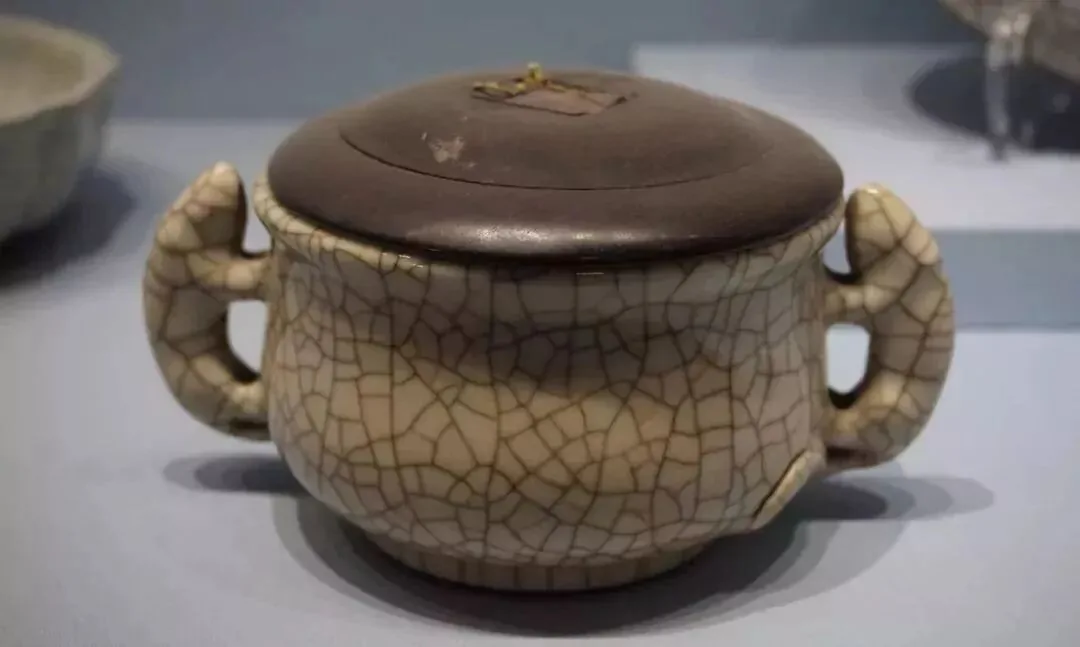
Chinese porcelain has been copied for close to a thousand years. A copy can reproduce the whole vessel, its form, its glaze, its decoration or only the reign mark on its base u2014 and the trade grades the results from near-exact replica to crude market piece.
Copying is as old as collecting. Wherever an older porcelain became scarce and expensive, someone began making another one like it, and Chinese potters did so with a technical command that still shapes how revival wares are judged today. This article sets out the trade’s own vocabulary for copies, the historical conditions that produced them, the line between revival and forgery, and the five methods by which a Chinese porcelain copy is actually made.
It is the sixth piece in our series on what revival porcelain is. Where the earlier articles cover definition, identification and the history of reign marks, this one looks at method: what a copier physically does, and why some approaches work better than others.
How is Chinese porcelain copied?
There are five recognised methods, and they are rarely used in isolation. A copier may reproduce the whole object; or only its form; or only its glaze; or only its decoration; or only the reign mark. The first is the most demanding, because it requires all four elements to work together. The last is the easiest, because a mark is a few characters of cobalt on a base.
The Chinese trade also grades copies, using a rough six-part scale: ji fang (ultra-faithful), gao fang (high copy), zhong fang (middle-grade), di fang (low-grade), ditan huo (market-stall goods) and laji huo (rubbish). The source material for this article lists the six without fixing their boundaries. In practice they describe descending degrees of accuracy in body, glaze, painting and finish, and they are used by dealers rather than by scholars.
What is a revival copy in Chinese porcelain?
Standard Chinese reference works define fanggu ci u2014 revival porcelain u2014 as porcelain made in a later period in imitation of the products of an earlier one. The definition covers imitation of bronze, lacquer and other older crafts as well, but porcelain is the principal subject. Unlike a forgery, the category is neutral: it describes a relationship in time, not an intention to deceive.
The sequence is fairly clear. The practice sprouted in the Northern and Southern Song, when antiquarian taste encouraged potters to look back at Shang and Zhou bronzes; it took shape in the Yuan; it matured in the Ming; it flourished in the early Qing; and it declined in the late Qing. Across that arc, revival wares moved from the margins of production to a central place in the repertoire of the imperial kilns.
Why did Chinese potters begin copying older wares?
Five conditions recur across the history, and they overlap.
Scarcity and price. Transmission is the first driver. A porcelain type that survived in small numbers in the Tang, Song, Ming or Qing was expensive then and remains so now. The rarer the surviving ware, the higher its value; and where value is high, imitation follows. Profit, not reverence, explains a large part of the output.
Writing by collectors and scholars. Ming and Qing collectors left a substantial literature of connoisseurship, and their notes gave old wares a reputation that potters could exploit. Shen Defu’s Bizhou xuan shengyu, Wang Shizhen’s Gubu gubu lu, Zhang Yingwen’s Qingmi cang, Xie Zhaozhe’s Wuzazu and Tian Yiheng’s Liuliu qing all discuss porcelain. One Ming notebook records a pair of Chenghua doucai chicken cups on the Wanli emperor’s own desk at a value of one hundred thousand u2014 the unit is left unstated, but the figure is enough to show why imitations of that design were made.
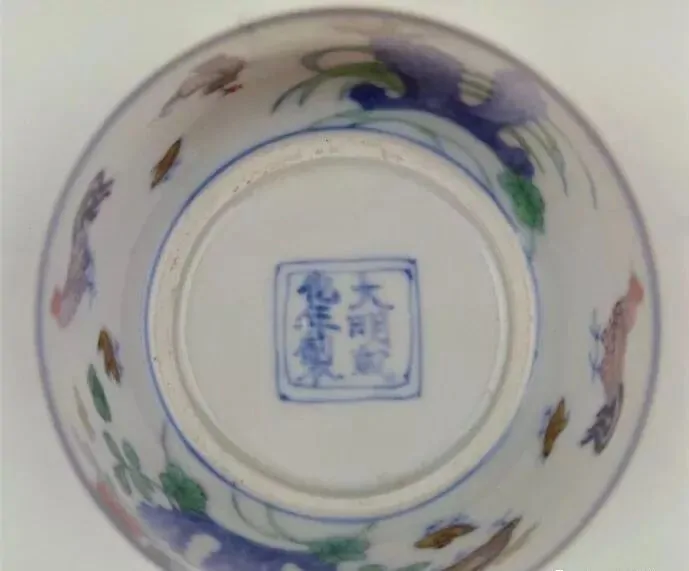
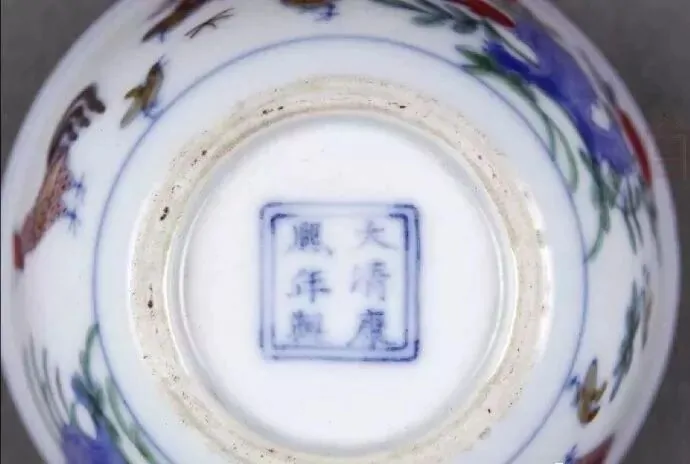
Imperial taste. Song Huizong, the Ming emperors Yongle and Xuande, and the Qing emperors Kangxi, Yongzheng and Qianlong were all serious collectors, and court enthusiasm set the tone for everyone below. Bronze forms were copied in quantity, and the five great Song kilns supplied shapes drawn from Han prototypes. The consequence was a rise in status: porcelain moved from a general craft product to an object of connoisseurship, and revival work became a way of demonstrating that a lost masterpiece could be seen again.
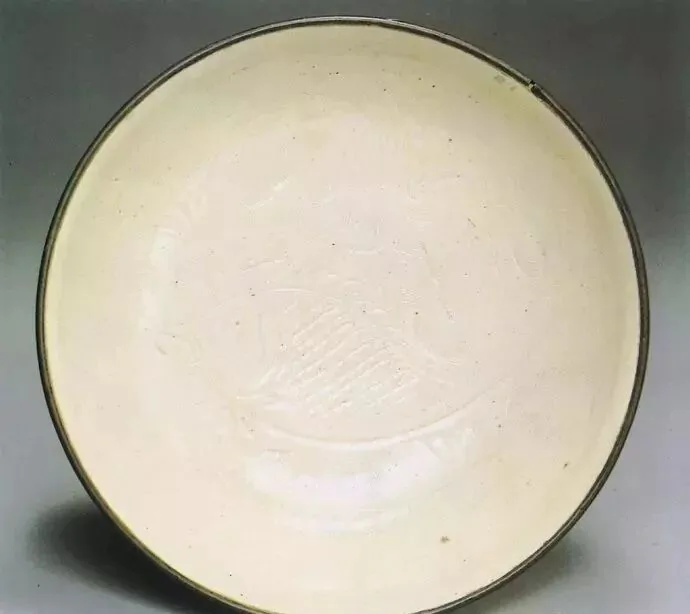
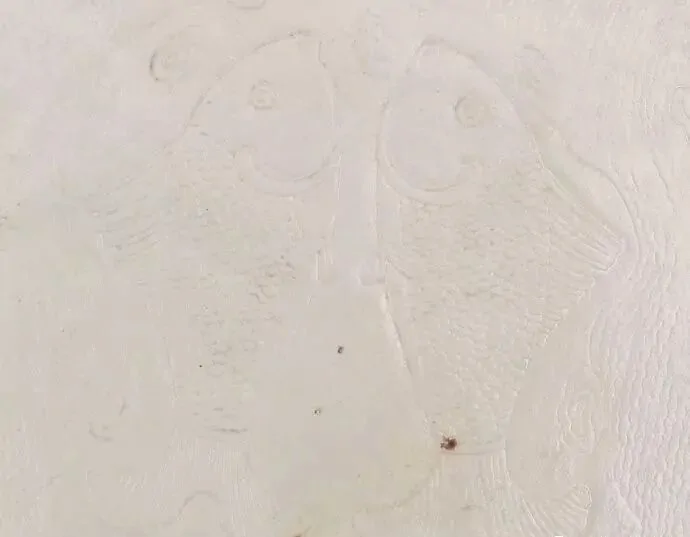
Foreign demand after 1800. In the late nineteenth century, foreign acquisition of Chinese antiquities increased sharply, and each market developed preferences. British buyers sought celadons and Tang sancai; French buyers sought fahua and langyao red, which they called ox-blood; Japanese buyers sought Tang sancai, Song and Yuan Cizhou, and Jiajing and Wanli wucai. Limited supply and strong preference produced copies made specifically for export. A British catalogue of Kangxi susancai published in the 1930s illustrated five-piece garnitures in yellow, green, purple and black grounds; the five-piece set was not a Kangxi format at all, but a Republican-period production created for the British market. Japanese collections of Cizhou ware, among the finest anywhere, likewise include later imitations.
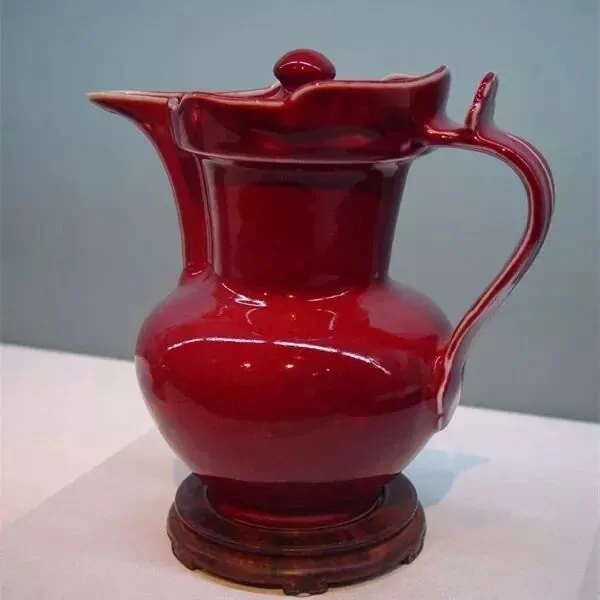
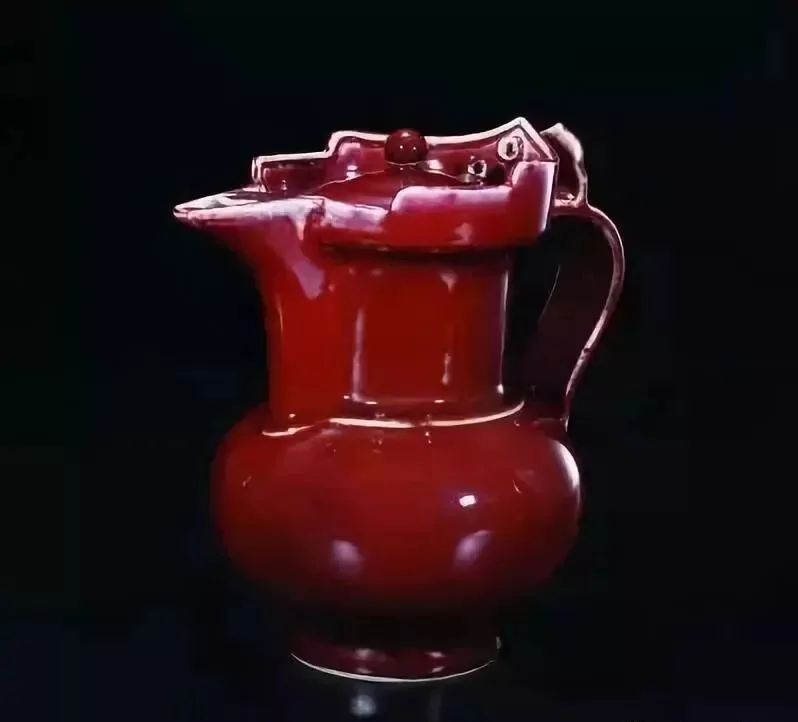
Commercial economy and official-private competition. A growing market economy supplied the last conditions. Profit-seeking stimulated private kilns and raised their technical standard, producing the competitive situation Chinese sources call “officials and civilians racing together”. The establishment of imperial and official kilns made possible production under a fine division of labour, which is why the best copies are so convincing. And the existence of a market turned copies into goods, which in turn gave potters a reason to make more of them.
What separates revival work from forgery?
The two are distinct in method and in purpose. Revival work begins with admiration: a genuine piece is too rare or too difficult to obtain, so a new one is made. Most such wares were imperial commissions, well potted and finely finished, and the best of them innovate rather than merely repeat. To judge one, apply two tests together u2014 the characteristics of the period being copied, and the characteristics of the period doing the copying. Compare repeatedly, and the attribution usually resolves.
Forgery begins with profit. From the Yuan and Ming onward, collectors paid heavily for famous kiln wares, so genuine pieces became dearer and scarcer. Skilled hands were then assembled to make imitations, or well-known potters made them on their own account. The peak came in the late Qing and early Republican years, and the repertoire was broad: Tang sancai, Yaozhou, Ding, Jun, Longquan, Song and Yuan Jingdezhen qingbai, Yuan and Ming blue and white, Ming and Qing imperial polychrome, Kangxi, Yongzheng and Qianlong blue and white, Jizhou brown-glazed ware, Song Jian black ware and Ming Dehua white ware.
The distinction matters because both activities can look identical on the shelf. A forgery passes coarse work off as fine and exists to take money from a buyer who believes the object is old; that is why the practice has always been held in contempt. Whether a well-made, openly declared revival deserves the word “fake” at all is a separate question, taken up in our article on whether revival porcelain is fake.
1. Copying the whole object
This is the commonest form of revival work, and the hardest. The copier reproduces everything: body, form, glaze, decoration and mark. But the aim is not four separate effects. It is the coordination between them u2014 what Chinese writers call the overall spirit of the piece u2014 so that the copy reads as one object rather than as an assemblage of correct details.
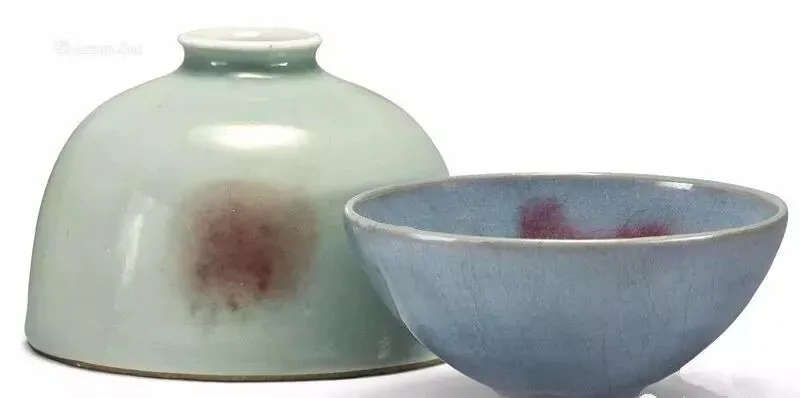
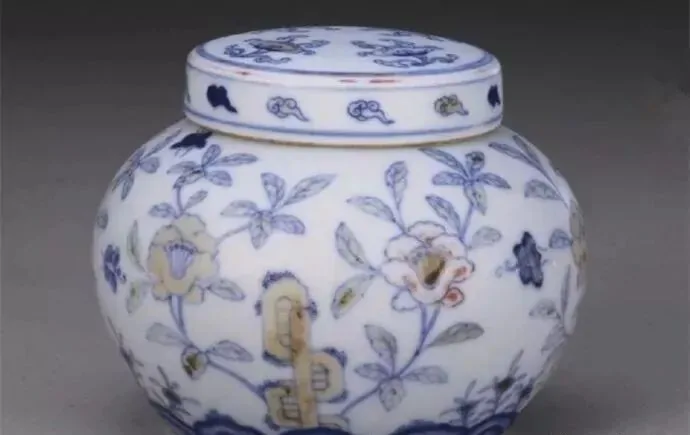
The targets are the most celebrated wares in the tradition: the products of the five great Song kilns, Yongle and Xuande blue and white, and Chenghua doucai. These were made for the court, from good materials, with excellent technique, and they have been prized by both palace and market ever since. Later imperial workshops copied them to demonstrate the standard of their own day and to enjoy the illusion of recovering a lost masterpiece. Private kilns copied them to sell.
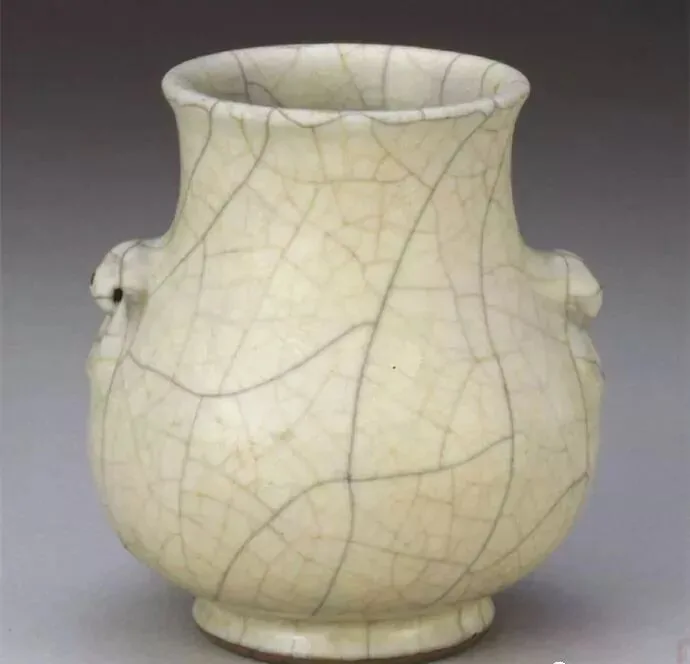
2. Copying the form
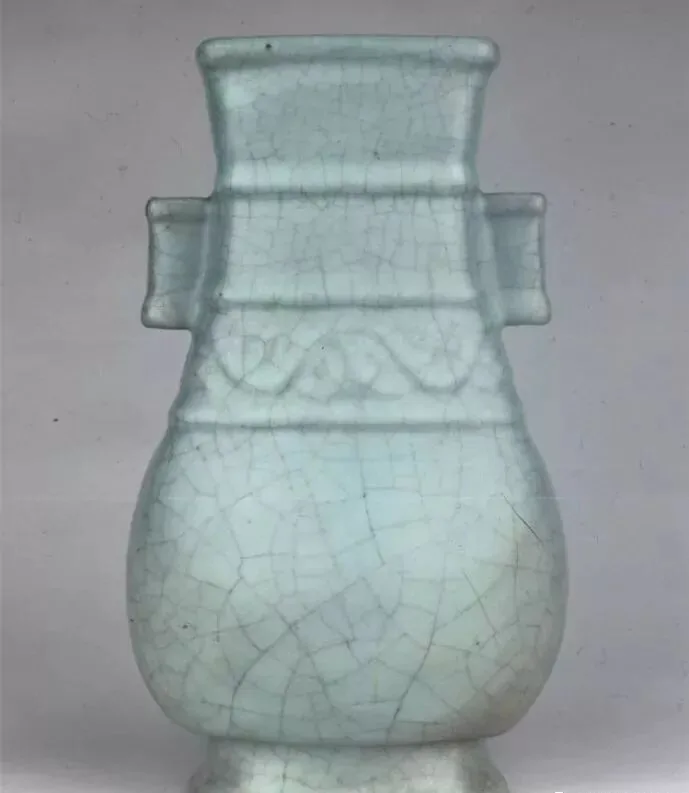
A form copy reproduces the shape of an original. Form matters because it expresses the behaviour of the clay body and provides the surface on which glaze and painting operate. Yet pure form copies are rare, and two constraints explain why.
Form draws glaze with it. A shape copied without its glaze rarely convinces; the eye reads the surface first, and the wrong surface undermines the right silhouette.
Forms persist. Many Chinese shapes were repeated for centuries, so a vessel of the same outline may simply belong to a long lineage rather than to a copy. It is difficult to prove that a given piece is a form copy when the form never went out of use.
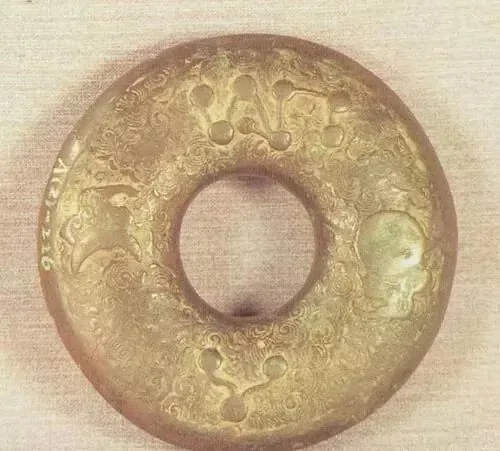
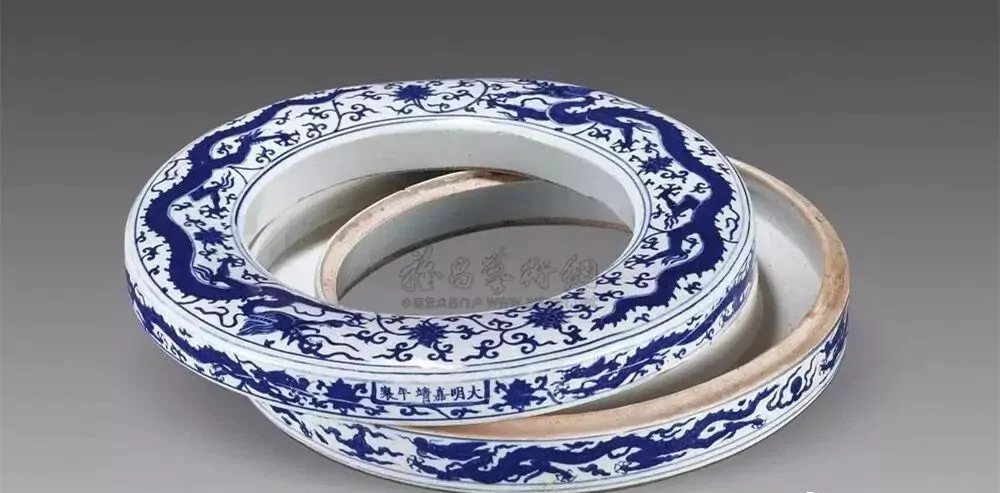
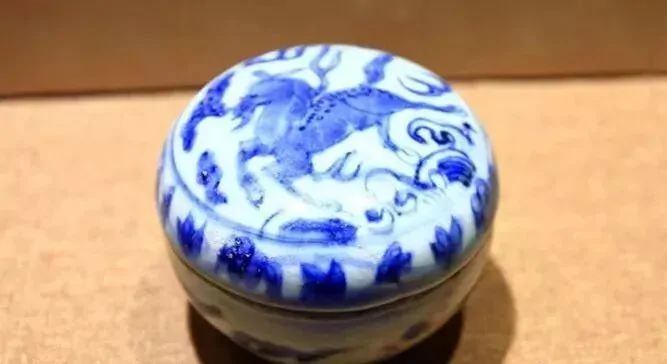
Copiers therefore prefer shapes that were distinctive and short-lived. The Tang ring-shaped box, the chuanling he, is a good example: it is unusual in Tang work, almost disappears afterwards, and then reappears in Jiajing blue and white. The Jiajing box is best explained as a deliberate imitation of the Tang shape.
3. Copying the glaze
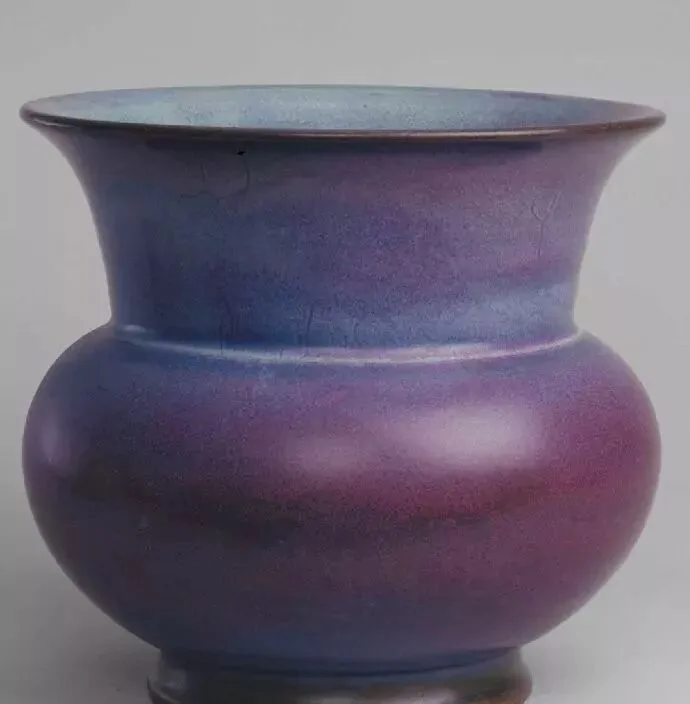
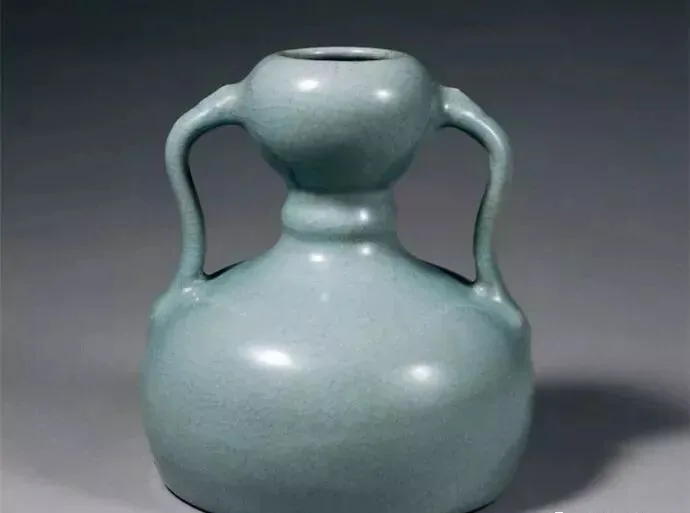
Glaze is a surface, and surfaces travel more easily than shapes. A shape is tied to function and becomes a fixed type that a copier cannot avoid; a glaze can be applied to any vessel that will hold it. Chinese revival work therefore contains a category that looks odd at first: earlier glazes on later shapes.
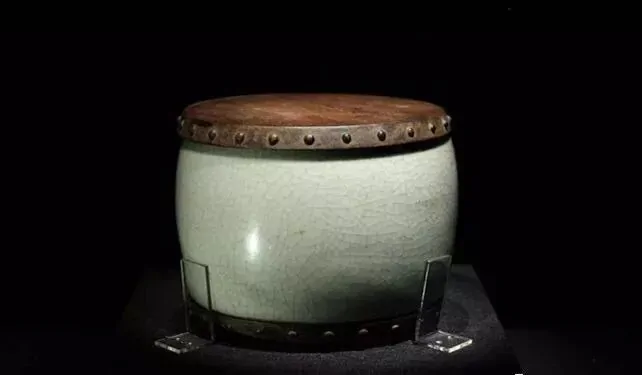
Song Ru, Guan and Ge wares were valued for their glaze rather than their silhouette. Ming and Qing potters admired them and applied Ru, Guan and Ge glazes to vessels in the shapes of their own day. The result is a piece that belongs to two periods at once u2014 a genuine technical achievement, and a useful reminder that glaze alone will not date a vessel. Contemporary Jingdezhen porcelain continues the same logic, with glaze recipes worked out for modern forms.
4. Copying the decoration
Decoration copies are less common and less conspicuous than the other kinds. The number of surviving examples is small, and the copying is not always obvious, but the category exists.
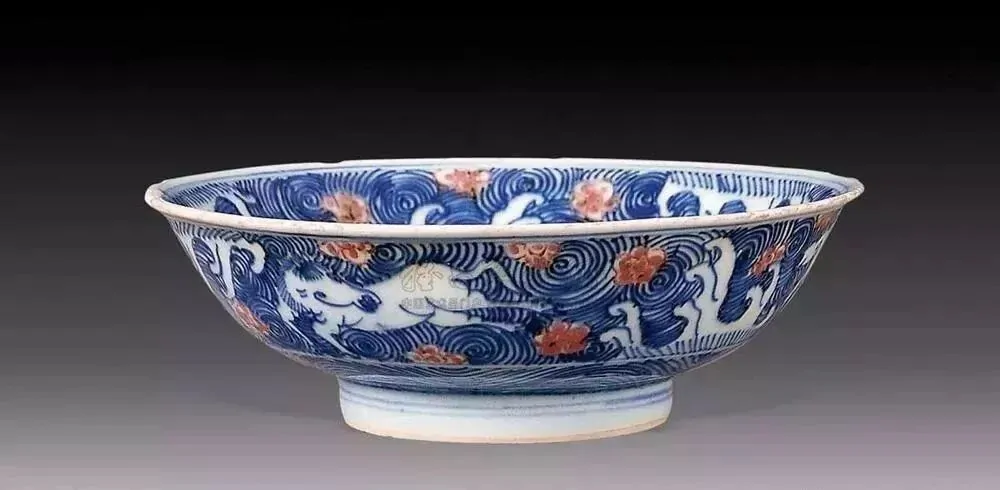
The standard example is a late Qing bowl decorated in blue and white with underglaze red, showing sea-horses galloping through waves. Its design follows a Wanli prototype with the same motif. Because the shape and the glaze may be unremarkable, the decoration is the only element that reveals the relationship.
5. Copying the reign mark
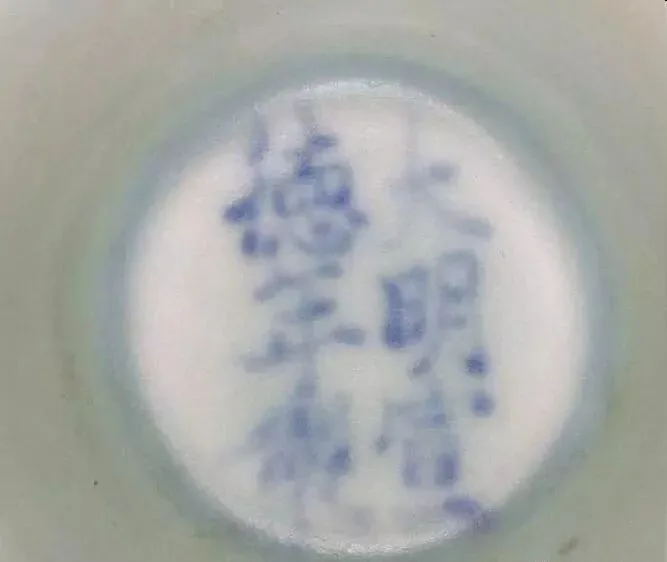
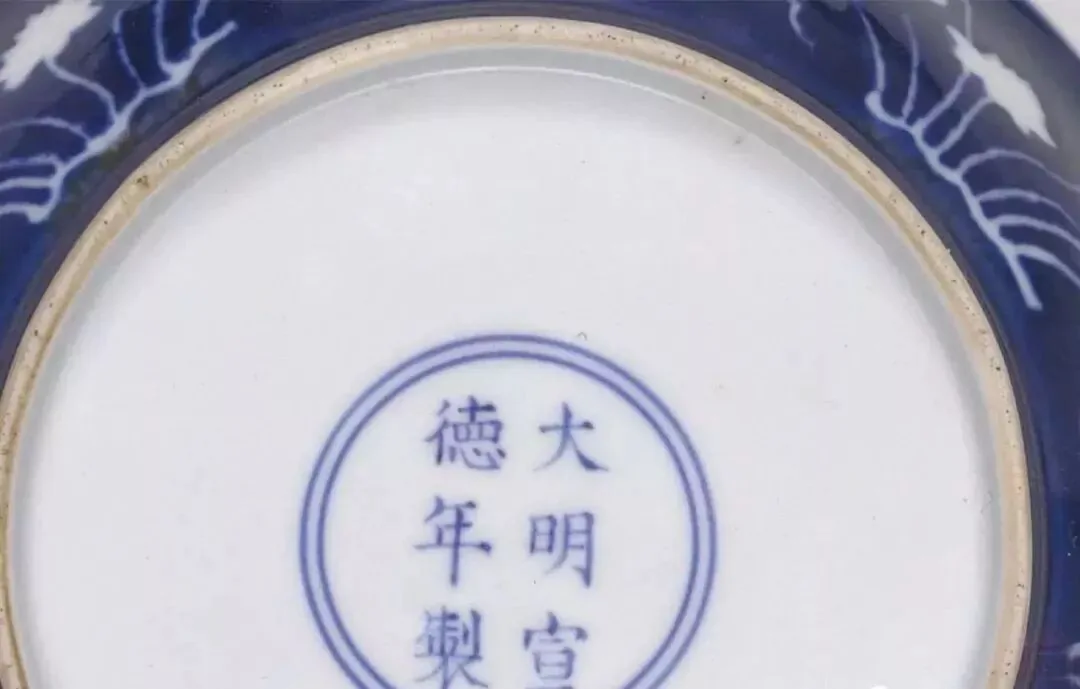
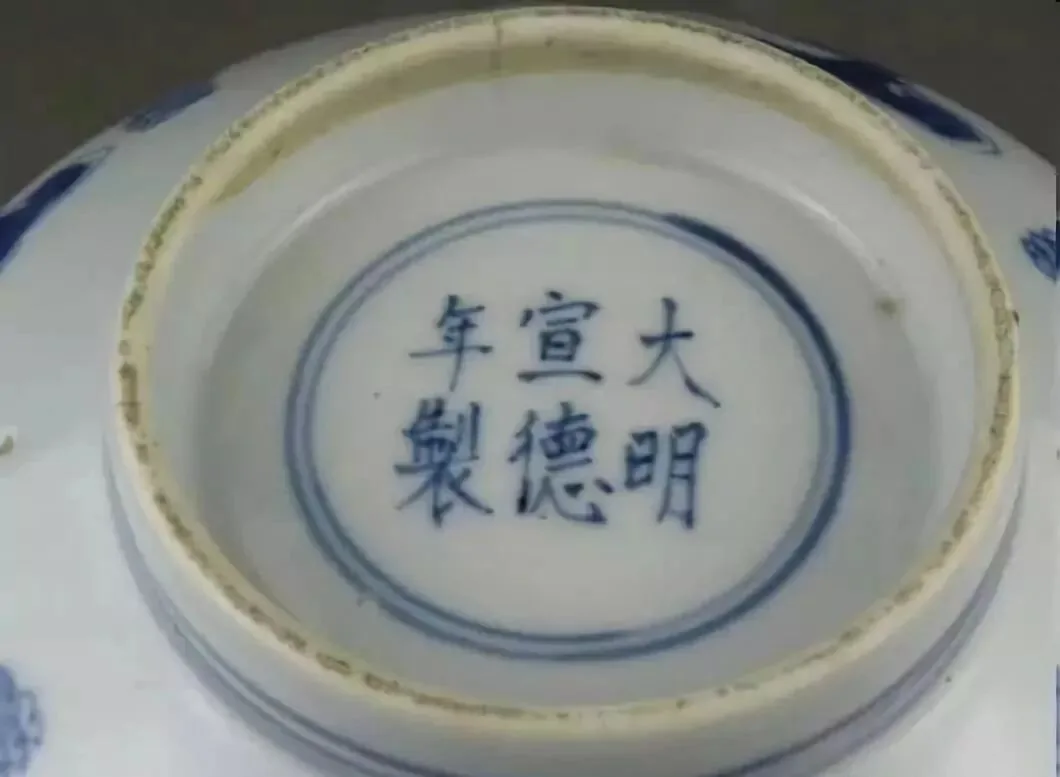
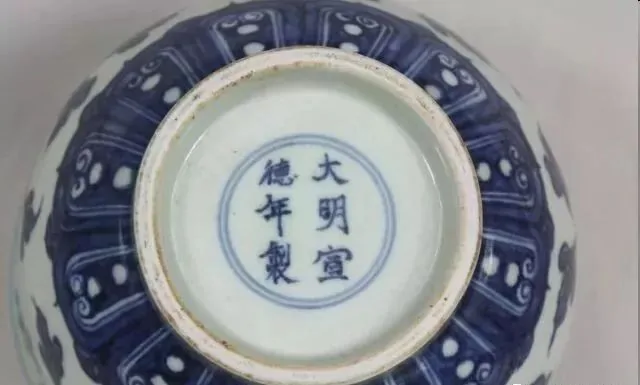
The last method copies only the inscription on the base, and it is defined narrowly: it excludes wares that reproduce the whole object and carry an earlier mark as part of the package. What remains is a vessel of one period written with the mark of another.
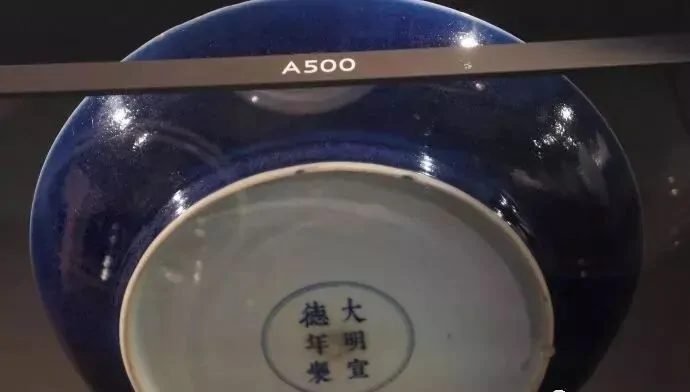
Kangxi porcelain supplies the clearest examples. Many pieces are unmistakably Kangxi in body, glaze and painting, yet their bases carry a Xuande, Chenghua or Jiajing reign mark. The motive was admiration for Ming imperial wares, and in some cases the mark was written casually rather than with intent to deceive. Strictly speaking, a casually added mark is not an act of imitation at all. But because the inscription creates a false impression, and because a reader unfamiliar with Chinese porcelain may take the piece for a Ming original, the practice is classified here.

How should a collector read a copy?
Treat a copy as a document rather than a defect. It records what a later period admired, which materials it could still command and how far its potters could push their technique. Many imperial copies are now museum objects in their own right, and the finest of them preserve methods that would otherwise have been lost.
The practical rule is the two-era test. Read the object twice: once for the features of the period it claims, once for the features of the period that made it. A copy that passes both readings is a legitimate study piece. A copy presented as an original is a forgery, whatever its quality.
For the detailed comparison of body, glaze, painting and wear, see our guide to how to tell a revival copy from an original. For the marks themselves, see why some Chinese porcelain carries earlier reign marks. And for the definition that underlies both, see what revival porcelain is.
Explore Jingdezhen craftsmanship
Revival work is a living tradition in Jingdezhen. If this survey has sharpened your eye, browse the porcelain collection at Jingdezhen Heritage, or begin with our hand-painted porcelain: contemporary wares made by artisans working in the same traditions of body, glaze, painting and form.
Contact Jingdezhen Heritage
Questions about a piece, a mark or a commission? Email Jingdezhen Heritage · Message us on WhatsApp.
Source article and images: a Chinese-language WeChat public-account feature, reproduced with acknowledgement; the text above is an independent English-language rewrite for Jingdezhen Heritage.