
In 2026, UNESCO inscribed the Jingdezhen Handicraft Porcelain Industry Sites on the World Heritage List. The honour recognises not a single monument, but a complete porcelain industry that operated continuously for more than a thousand years.
Why was Jingdezhen inscribed as a UNESCO World Heritage Site?
Jingdezhen was not inscribed simply because it made beautiful porcelain. The listing recognises something rarer: an entire pre-modern industrial system that survives in the landscape. Around the city you can still visit the mines that yielded the clay, the hills that supplied the kiln fuel, the ancient kiln sites where the wares were fired, and the docks, lanes and workshops that packed and shipped them across the world. Together, five protected zones and 45 heritage elements document hand-made porcelain production from the tenth to the nineteenth century.
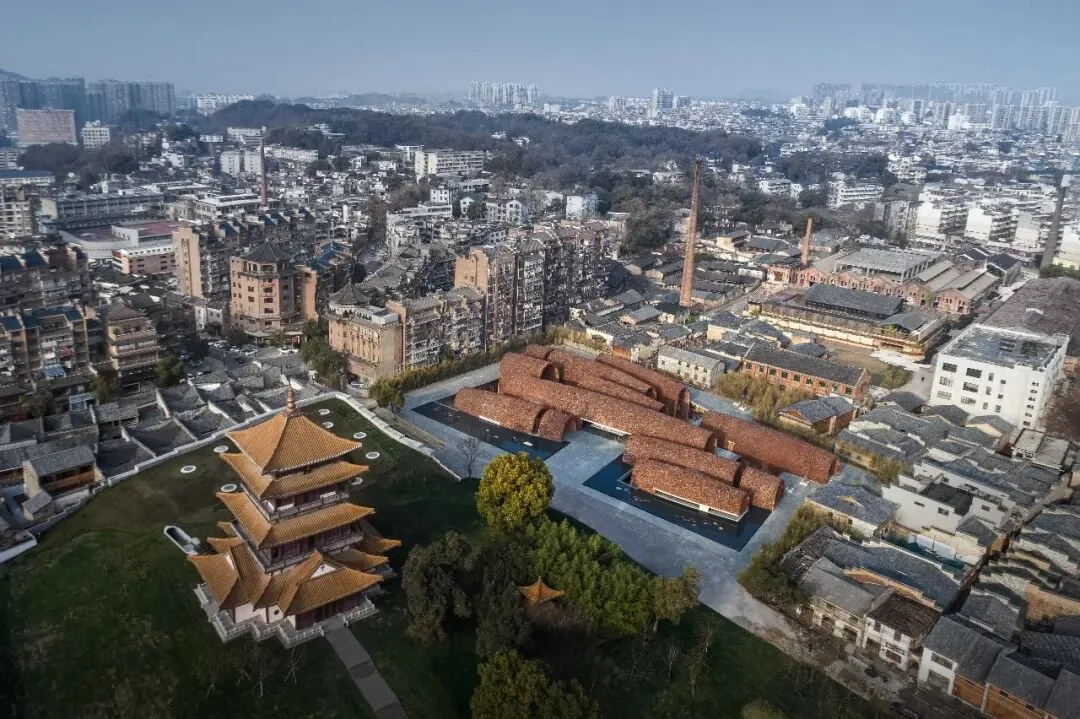
A production system preserved across five zones
The heritage area is not one romantic old kiln. It is a working landscape made of five connected zones: the porcelain production centre in the old town, the Hutian ancient kiln complex, the Gaoling kaolin mine, the Changling porcelain-stone mine, and the Jiaotan kiln-wood fuel region. Within them sit the ruined kiln sheds, clay-washing pits, workers’ lanes, guild halls and river wharves of an industry that supplied emperors and export markets alike.
Wang Guangyao, a research curator at the Palace Museum in Beijing, has noted that the completeness of Jingdezhen’s production chain is almost without parallel among the world’s cultural heritage sites. The raw material, the fuel, the manufacture, the transport and the trade all survive in one place.
The kilns that set the global standard for porcelain
From the Song dynasty’s pale qingbai glazes onwards, Jingdezhen both set standards and led taste. Its blue-and-white porcelain, brought to maturity in the Yuan dynasty with imported cobalt, became one of the first truly global luxury goods. Ordered by the Ming and Qing courts and treasured by royal houses from Istanbul to London, fine Chinese porcelain was known in Europe as “white gold”.
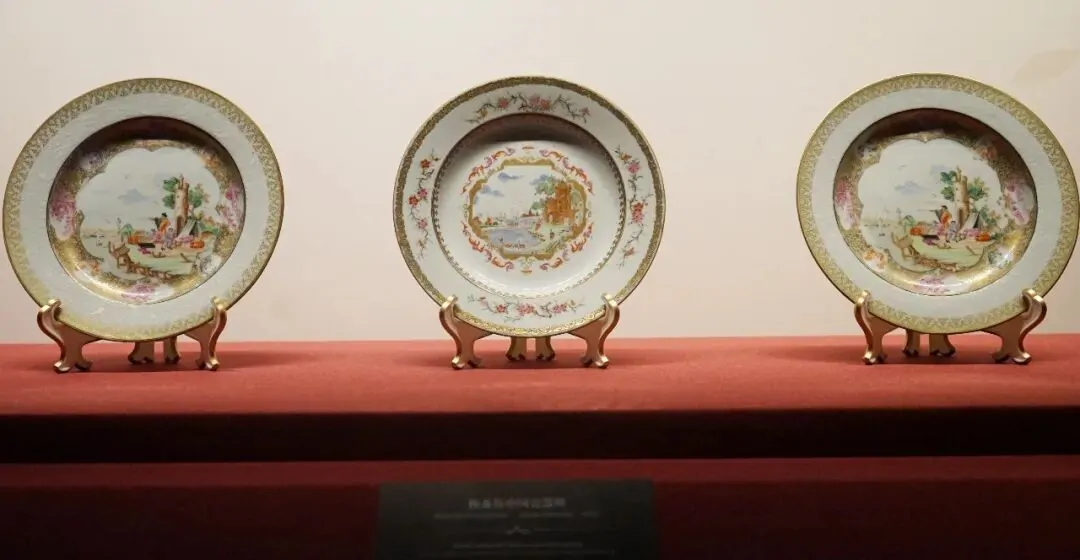
By the seventeenth and eighteenth centuries, ships carried Jingdezhen blue-and-white and famille-rose wares to every major European port. Their motifs entered wallpaper, textiles and silverwork, driving the European taste known as Chinoiserie. For Western buyers, porcelain quite literally was “china” u2014 and the word pointed back to Jingdezhen.
The binary formula that made modern porcelain possible
One Jingdezhen innovation amounts to an industrial revolution in ceramics. Craftsmen discovered that mixing kaolin, a fine white clay, with pulverised porcelain stone produced a body that was harder, whiter and more translucent, and strong enough to be fired at high temperature and formed into very large vessels. The “binary formula” allowed the monumental Yuan blue-and-white jars and vases seen in museums today, and later informed Europe’s eighteenth-century development of high-fired hard-paste porcelain.
A complete pre-modern supply chain
What set Jingdezhen apart was scale and organisation. Kaolin and porcelain stone were dug at separate mines; pine timber for the kilns was grown, cut and rafted in from the forested valleys; production itself was divided among hundreds of specialised trades, from throwers and trimmers to painters, glazers and the kiln masters; finished wares moved down the Chang river to the Yangtze and on to domestic and overseas markets.
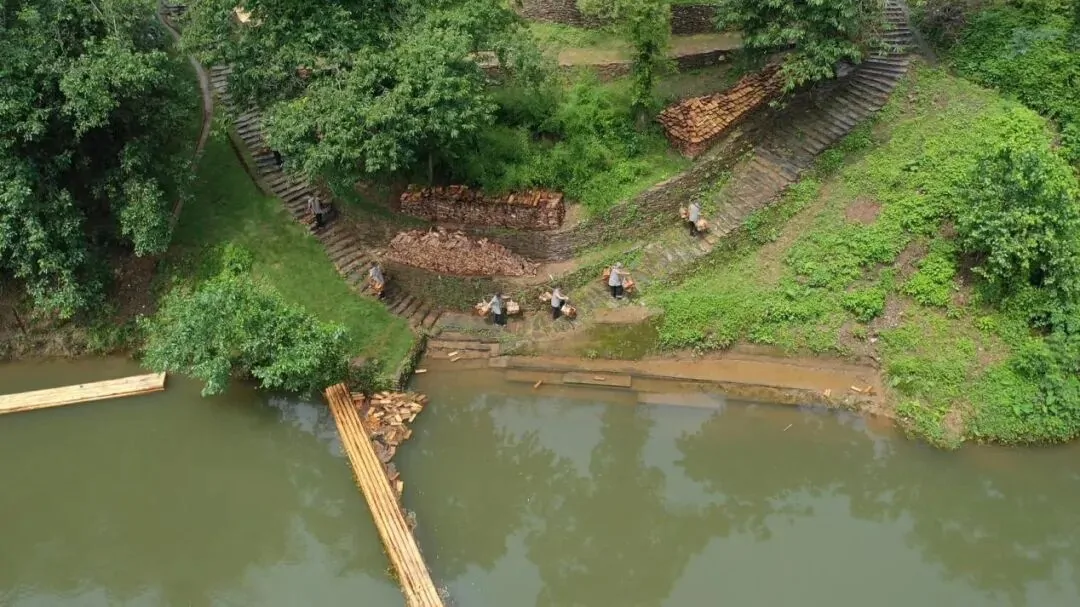
The old lanes around the imperial kilns still record this fine social division of labour. Trades had their own streets and guild buildings, among them the gilding shops and the straw-packing houses that prepared porcelain for long journeys. A single dish passed through many hands, each a specialist.
Inside the imperial kilns: what survives today
From 1369, the early Ming court ran an official kiln complex at Zhushan in Jingdezhen, producing porcelain for the palace for the next five centuries. Today the site is the Imperial Kiln Factory National Archaeological Park, where excavated kilns lie beside a museum built over the ruins.
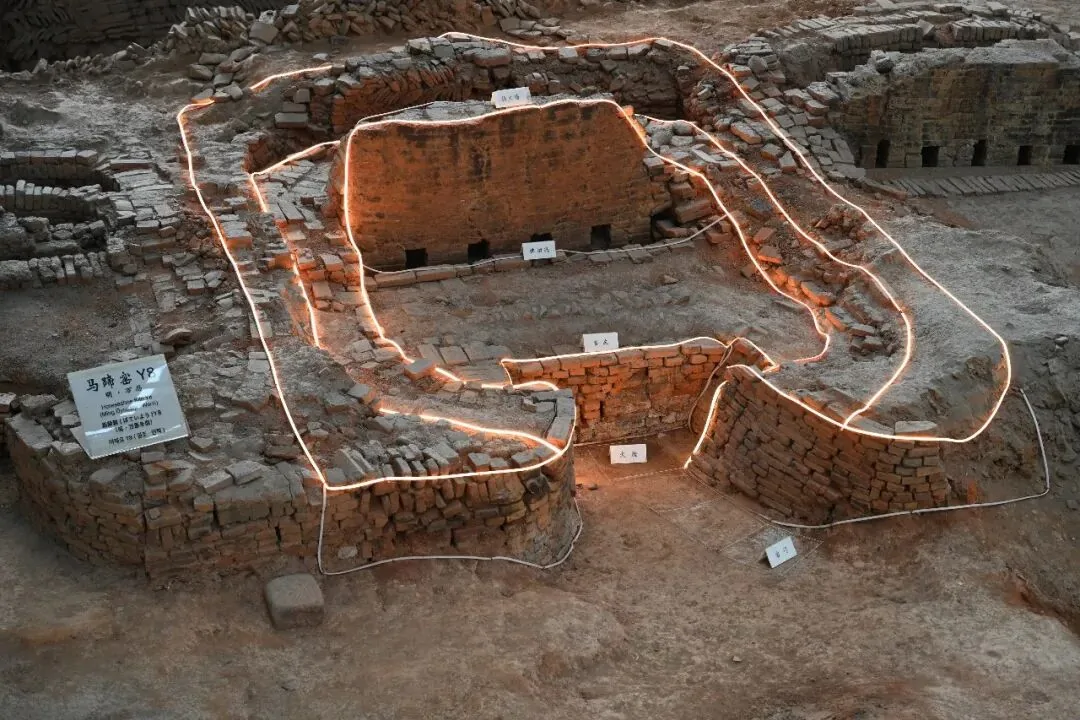
The excavations are unusually revealing because imperial kiln failures were deliberately smashed and buried rather than sold. From the waster heaps, conservators have reassembled treasures for which no complete example survives in any museum, including a Chenghua-period plain-sancai duck-shaped incense burner and a Xuande blue-and-white cricket jar painted with a moving dragon.
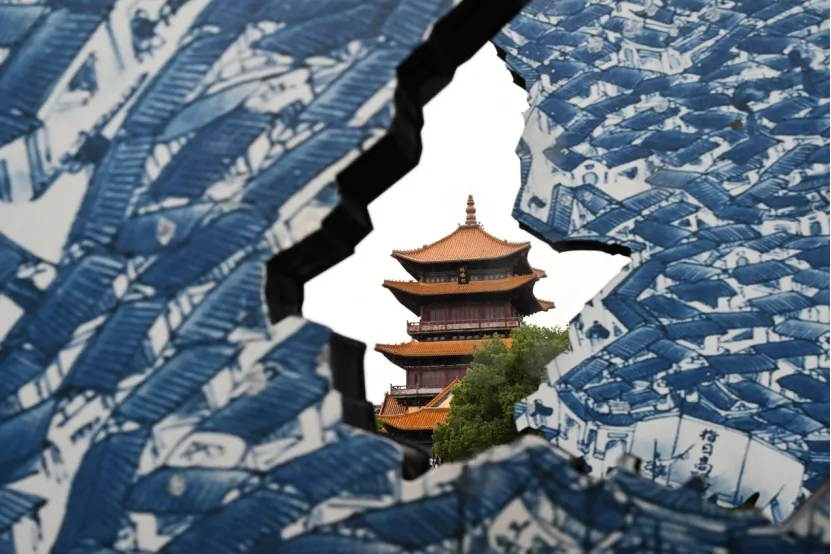
Gaoling Mountain: the village that gave the world the word “kaolin”
About 50 kilometres from the city centre, in Fuliang County, the granite slopes of Gaoling Mountain held unusually rich deposits of white clay. The clay took its name from the village of Gaoling u2014 “high ridge” u2014 and the French Jesuit Franu00e7ois Xavier d’Entrecolles, reporting on Jingdezhen’s methods in letters published in the 1720s, recorded the local word as “kaolin”. It has been the international name for porcelain clay ever since. A mountain entered the world’s vocabulary through a bowl.
Seventy-two steps, still practised
Jingdezhen’s traditional process is traditionally counted as seventy-two steps, from refining clay to the final opening of the kiln: throwing, trimming, painting, glazing and firing among them. The system survived because kiln production in the city never fully stopped. Restricted wood-fired kilns such as the Xu Family Kiln are still lit for ceremonial firings, and studios keep every specialist trade alive.
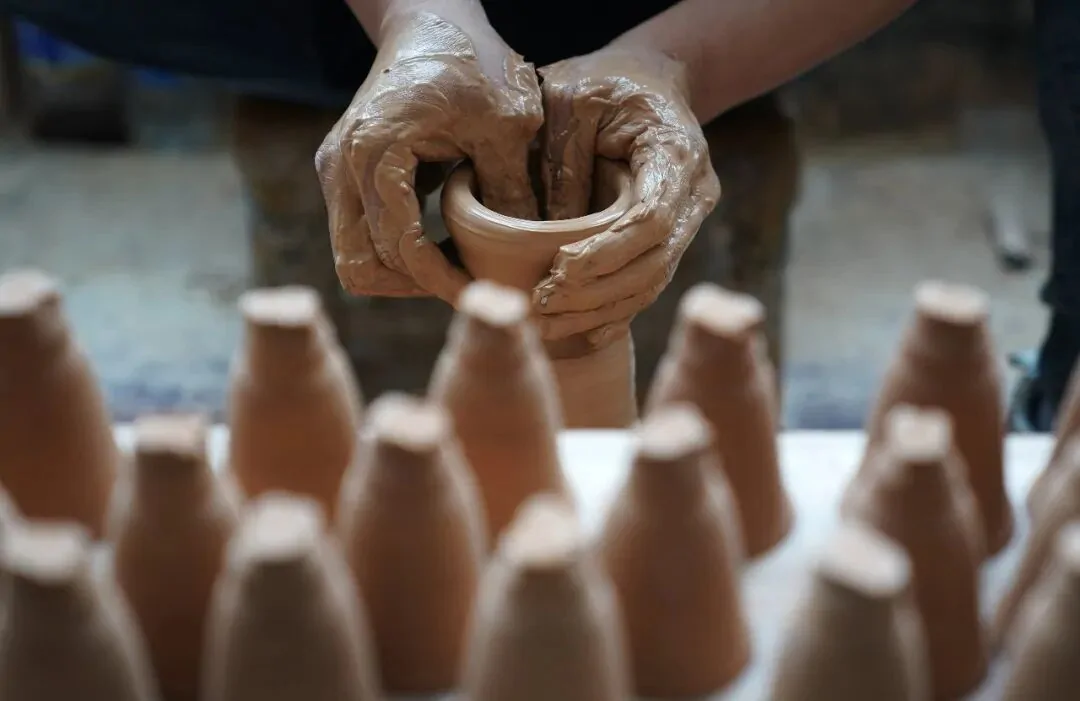
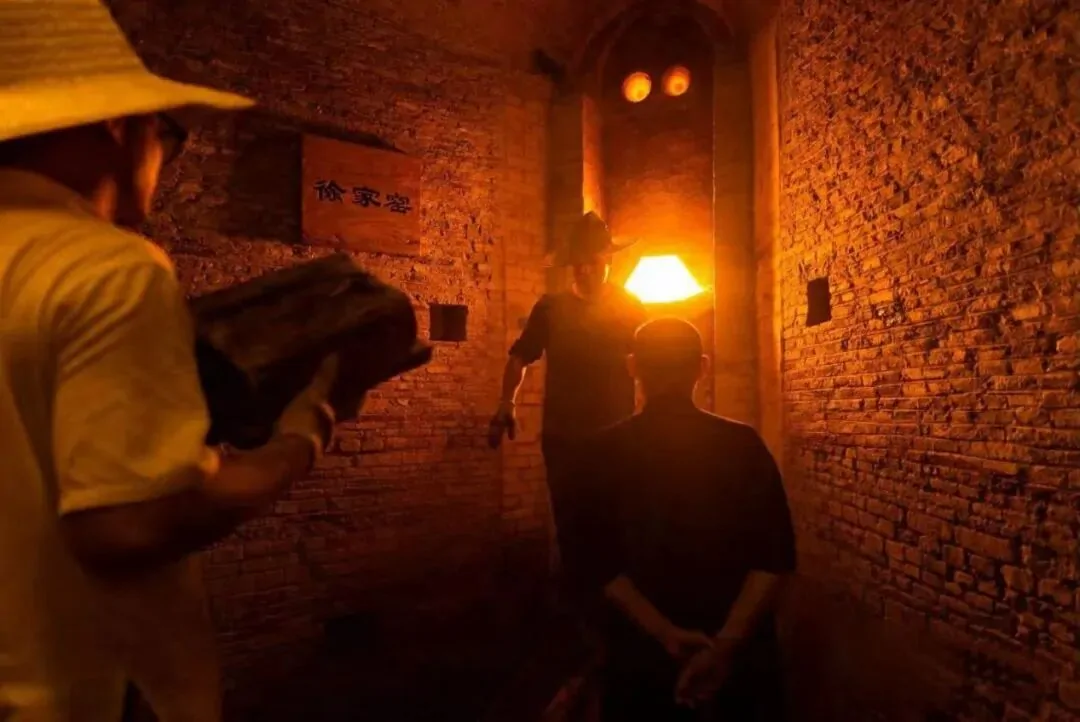
Visitors can now sit at the wheel themselves, trim a damp bowl or paint cobalt onto a biscuit-fired body. It is the rare World Heritage site that invites you to become a temporary artisan.
From the imperial table to the breakfast table
Jingdezhen was never only about palace treasure. Its greater achievement was scale: refined porcelain made affordable and familiar. The bowls, plates, cups and saucers in households across the world carry the city’s genes. In Jingdezhen itself, contemporary studios and ceramics fairs continue that lineage, making tableware and art pieces in the same blue-and-white and famille-rose languages.
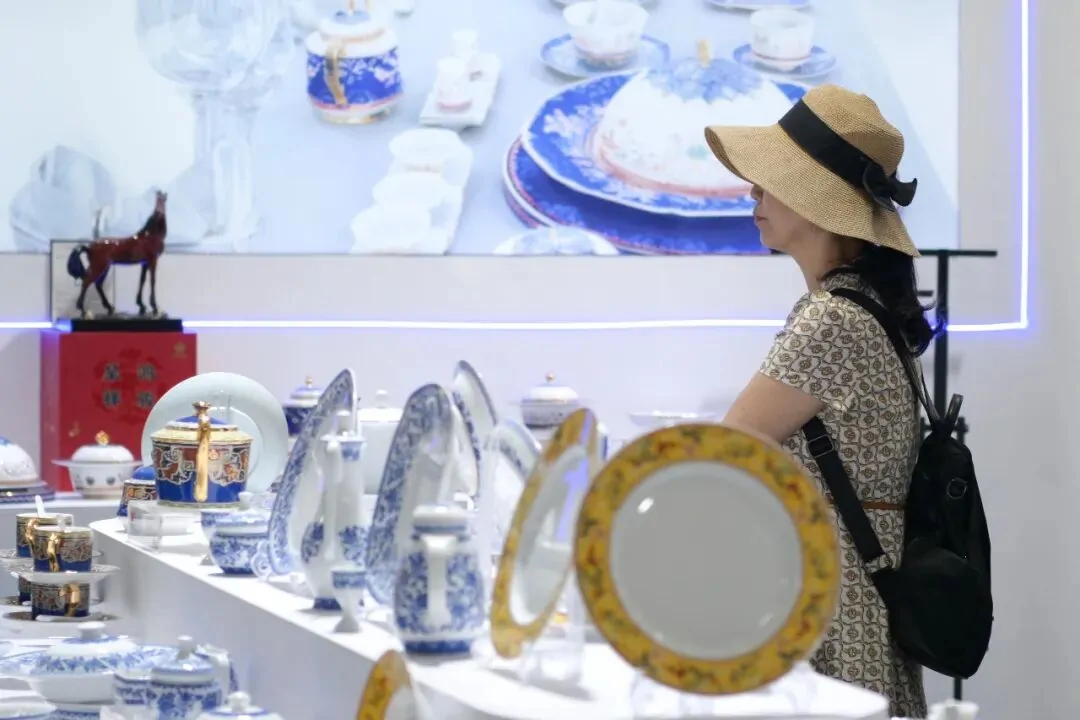
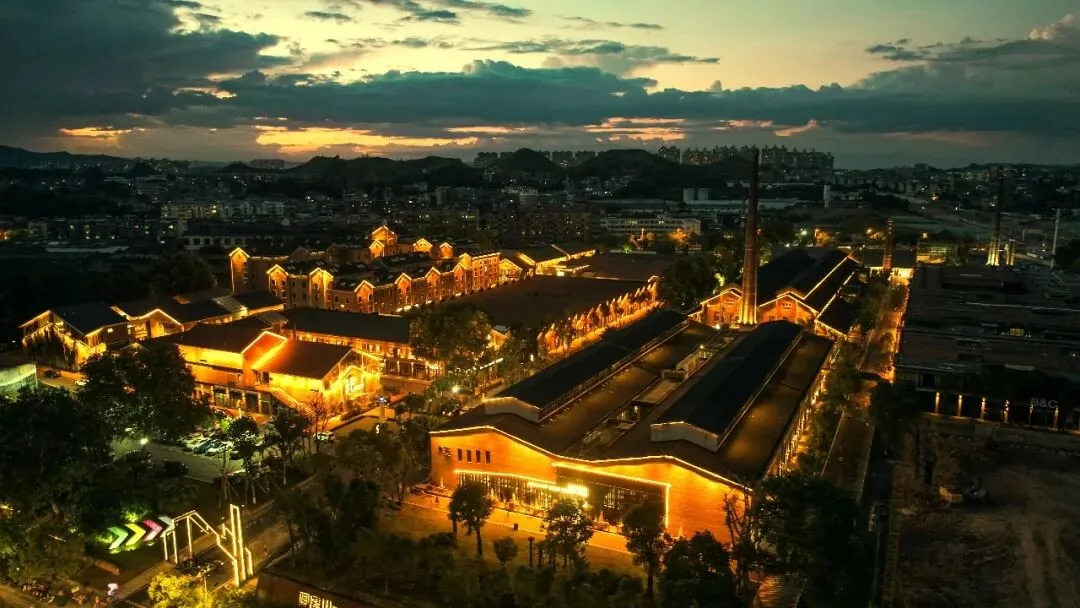
That continuity is visible across the city. At Taoxichuan, the long brick workshops of the modern porcelain factories have been converted into studios, markets and galleries, with the old chimneys still standing above the rooftops.
Why does Jingdezhen’s World Heritage listing matter today?
The listing protects more than ruins. It protects a complete craft ecosystem u2014 the mines, the formulas, the specialist hands, the rebuilt wasters and the lit kilns u2014 that connects a tenth-century qingbai bowl to a vessel made this week. Jingdezhen’s story is also one of exchange: cobalt from West Asia, techniques read by Europe, and wares that carried Chinese aesthetics around the globe. From millennium porcelain capital to World Heritage site, the kiln fire has not gone out.
Explore Jingdezhen craftsmanship
If Jingdezhen’s imperial history and living craftsmanship interest you, explore our collection of hand-made Jingdezhen porcelain, from blue-and-white and famille-rose styles to monochrome and contemporary studio pieces. Each one continues the techniques preserved by the World Heritage listing.
Contact Jingdezhen Heritage
Would you like to know more about Jingdezhen’s kiln history, a particular porcelain type or a piece in our collection? Contact us with your questions or to discuss a custom commission.
Email Jingdezhen Heritage u00b7 Message us on WhatsApp