Before any piece of Jingdezhen porcelain reaches the wheel, its body must first be built from two rocks. The clay that becomes a bowl, a jar or a vase is prepared through a long sequence of quarrying, pounding, washing and pressing u2014 a chain of work that turns raw mineral into a dense white brick the potter can throw.
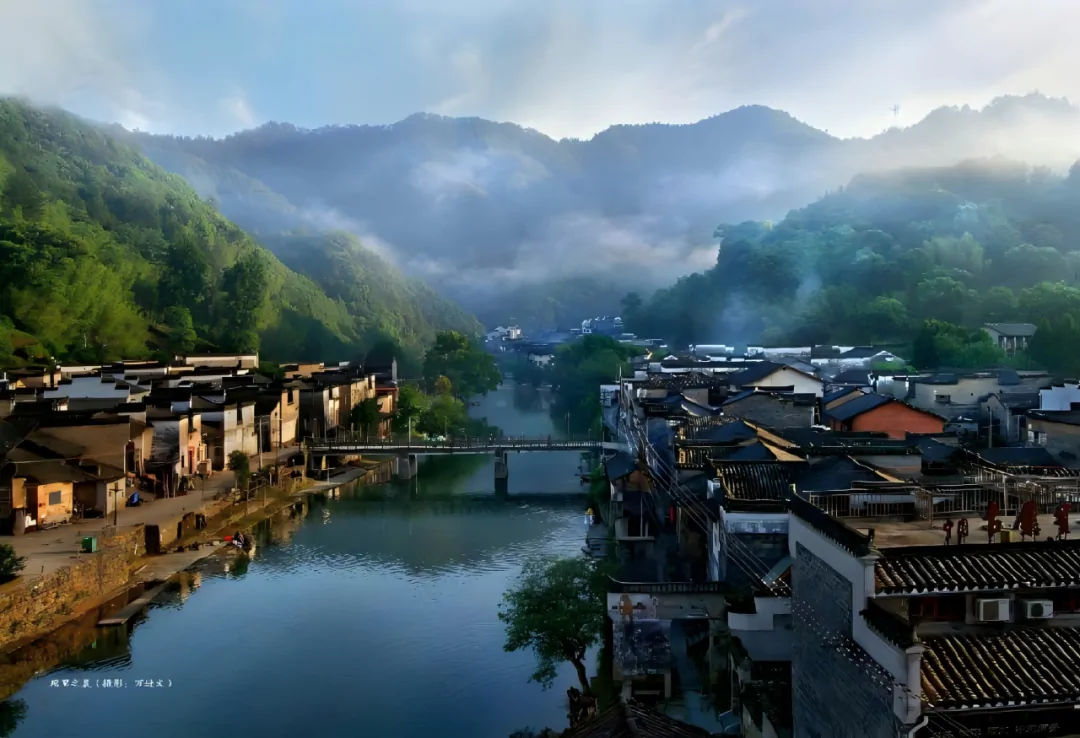
That sequence belongs to the handmade porcelain craft of Jingdezhen, a town in north-eastern Jiangxi whose living porcelain tradition forms part of the system recently inscribed on the UNESCO World Heritage List. This article follows the raw-material stage of that craft, from the mountains to the finished block of body clay.
How is the Jingdezhen porcelain body prepared?
Jingdezhen porcelain begins long before the potter sits at the wheel. The quality of the finished ware is decided at the source, by the two materials that make up the body and by the care with which they are refined. In the Qing dynasty u2014 the most complete period of Jingdezhen porcelain-making and the peak of its historic craft u2014 the body was made from two main ingredients: porcelain stone and kaolin.
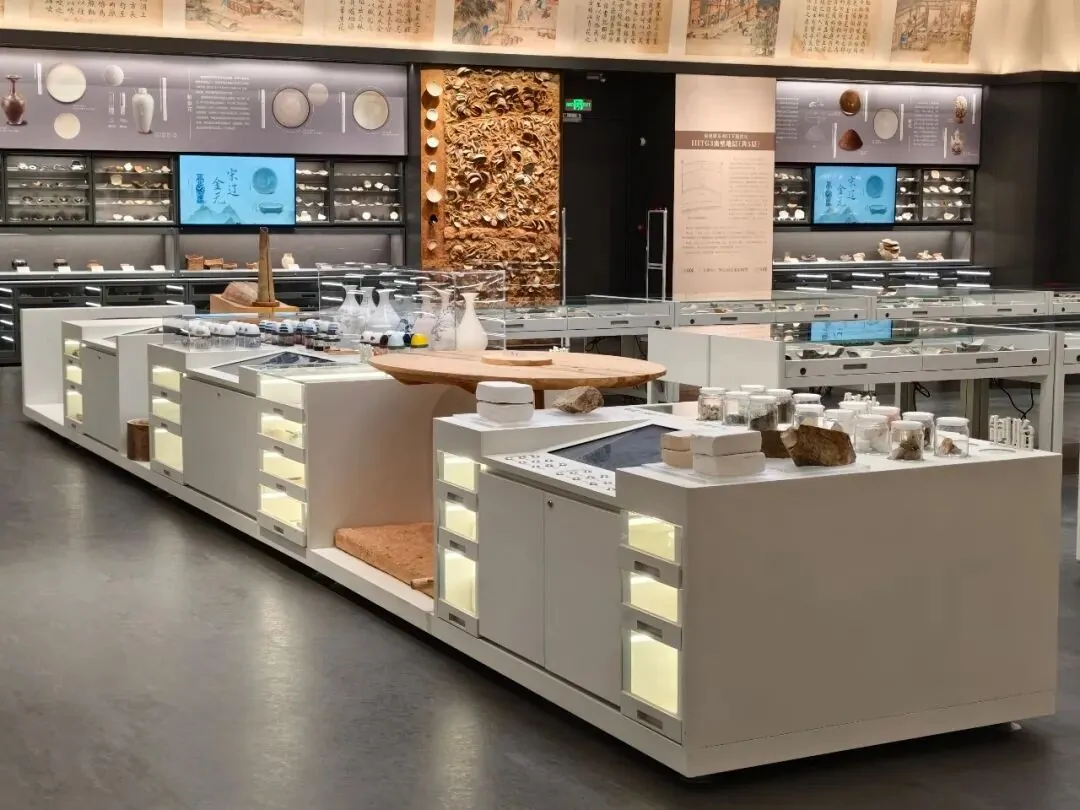
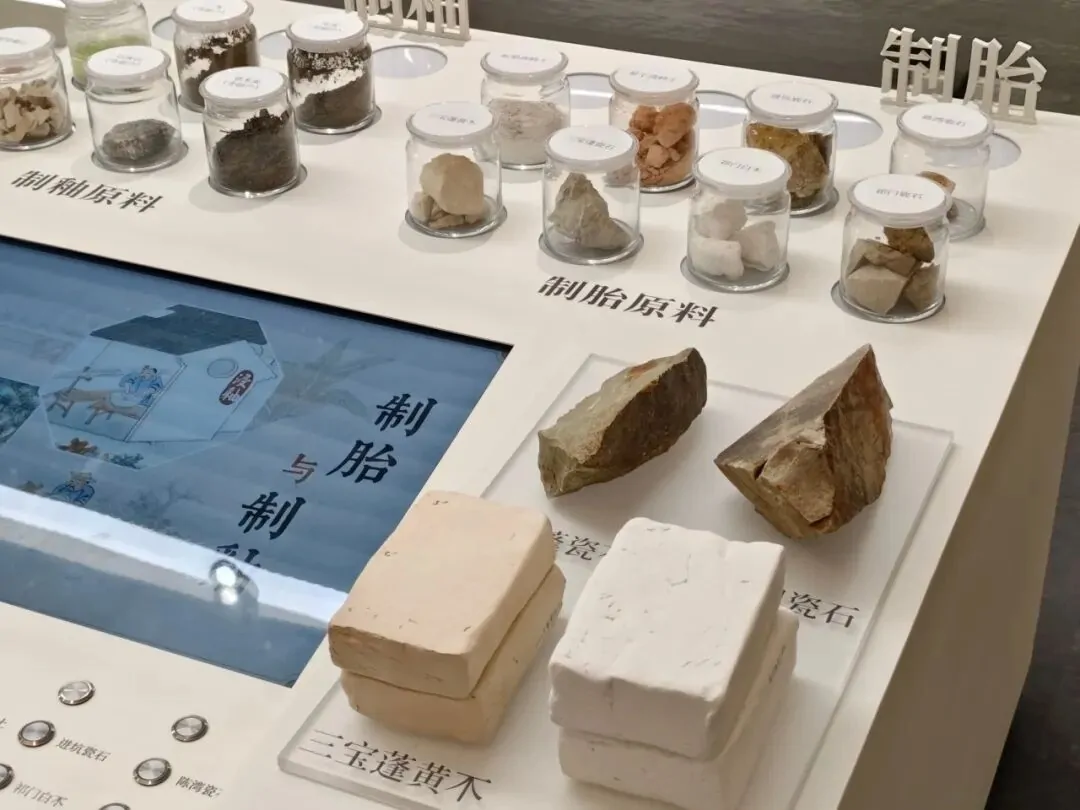
At the Ceramics Teaching Gallery of Sun Yat-sen University in Guangzhou, a teaching display lays this process out in the order the work was done. Porcelain stone, kaolin and finished clay bricks are set side by side, tracing the passage from raw ore to usable body clay.
1. Porcelain stone and kaolin: the two ingredients of the body
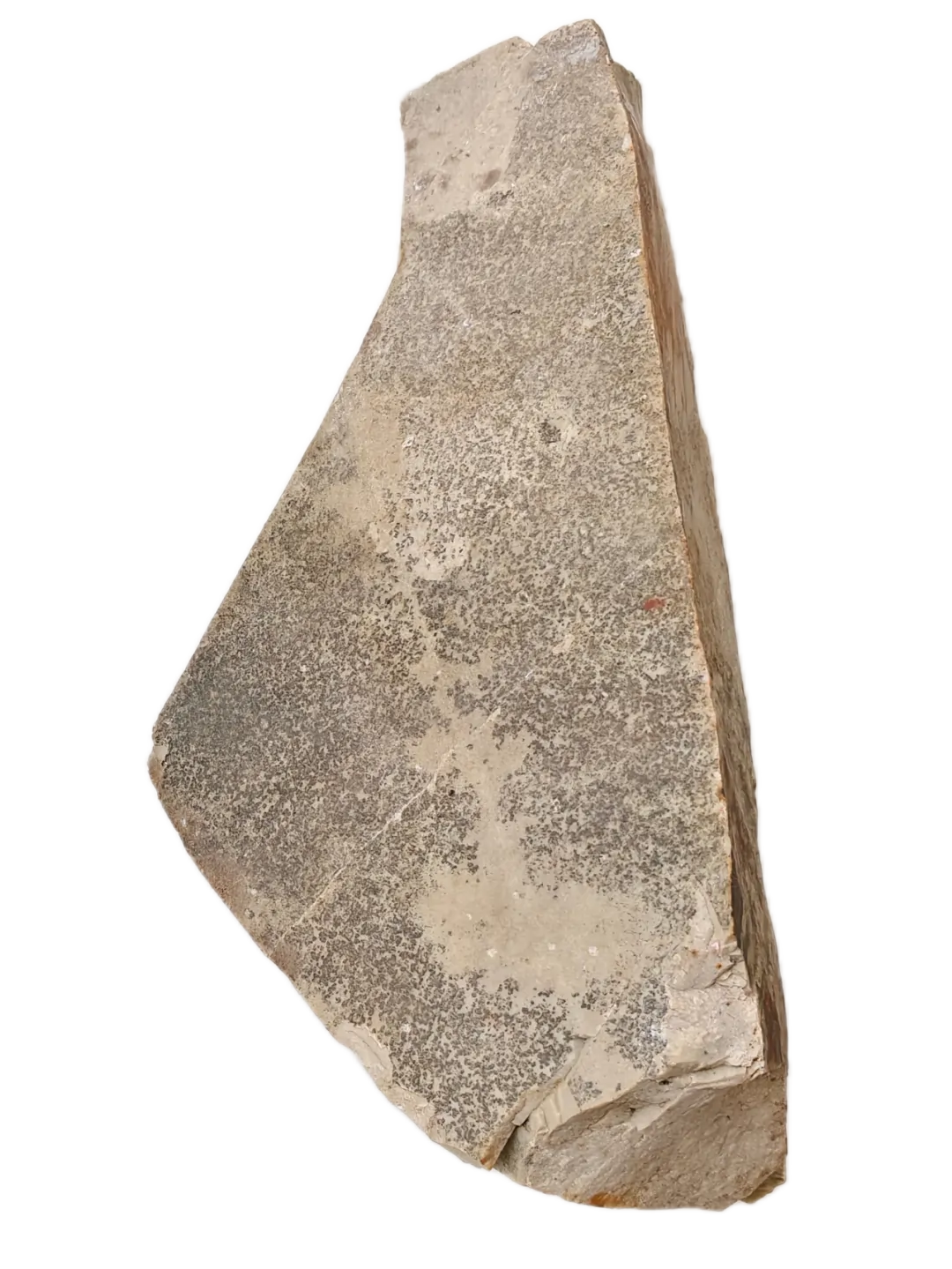
Porcelain stone. Porcelain stone, known as petuntse, is a fusible rock rich in feldspar and silica that melts and binds the body when fired. South China is well supplied with it, and Jingdezhen’s own region and its neighbouring districts contain many porcelain-stone mines. The most representative stone used in the Qing period was Qimen porcelain stone, an important source for the imperial kilns. In its raw state it is a pale grey-white to grey-green rock.
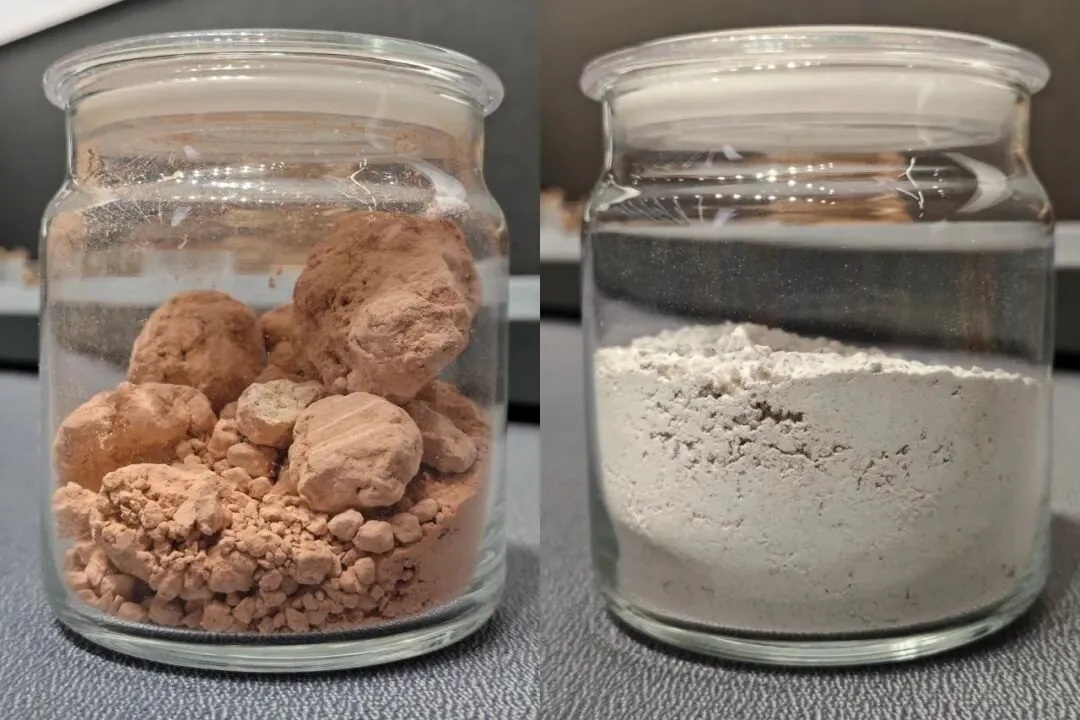
Kaolin. Kaolin is a soft, refractory white clay high in aluminium oxide. Ming and Qing records state plainly that Jingdezhen potters mixed kaolin into the porcelain stone. Its high alumina content raised the hardness of the fired body and acted as the “skeleton” that held the body in shape. Adding kaolin reduced the rate of deformation in the kiln and made it possible to fire larger vessels. The introduction of kaolin was a major advance in the history of porcelain, in China and beyond.
2. Quarrying the raw materials: fire, water and iron
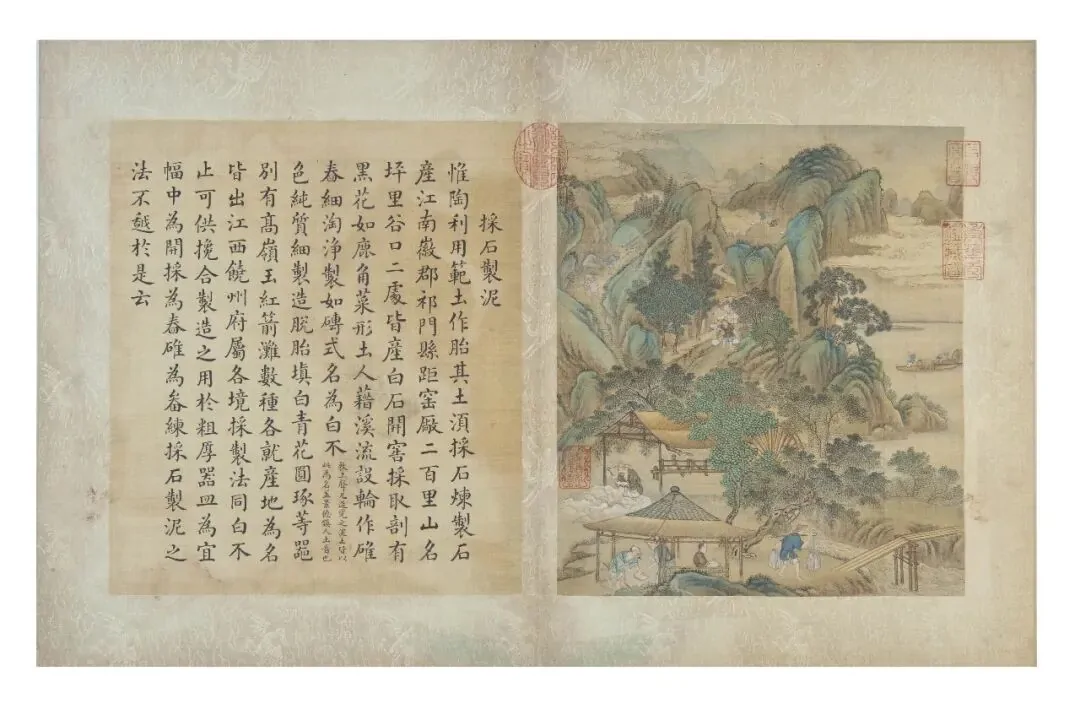
Kaolin is a loose, earthy material and is comparatively easy to extract. Porcelain stone is harder to reach: it lies in veins, and its exposed outcrops at the surface are solid rock. Rather than cutting straight into them, quarrymen built a fire of brushwood against the rock face and let it burn, then doused the stone with water. In the sudden contraction of heat and cold, the rock cracked. Working inward along the seams with goat-horn picks and hoes, the quarrymen opened a porcelain-stone mine.
The ore was carried out of the workings in baskets, shouldered down to the trip-hammer sheds beside the stream, where workers broke the large lumps into fist-sized pieces with iron hammers, ready for the pestles.
3. Crushing the stone at the water-powered trip-hammer
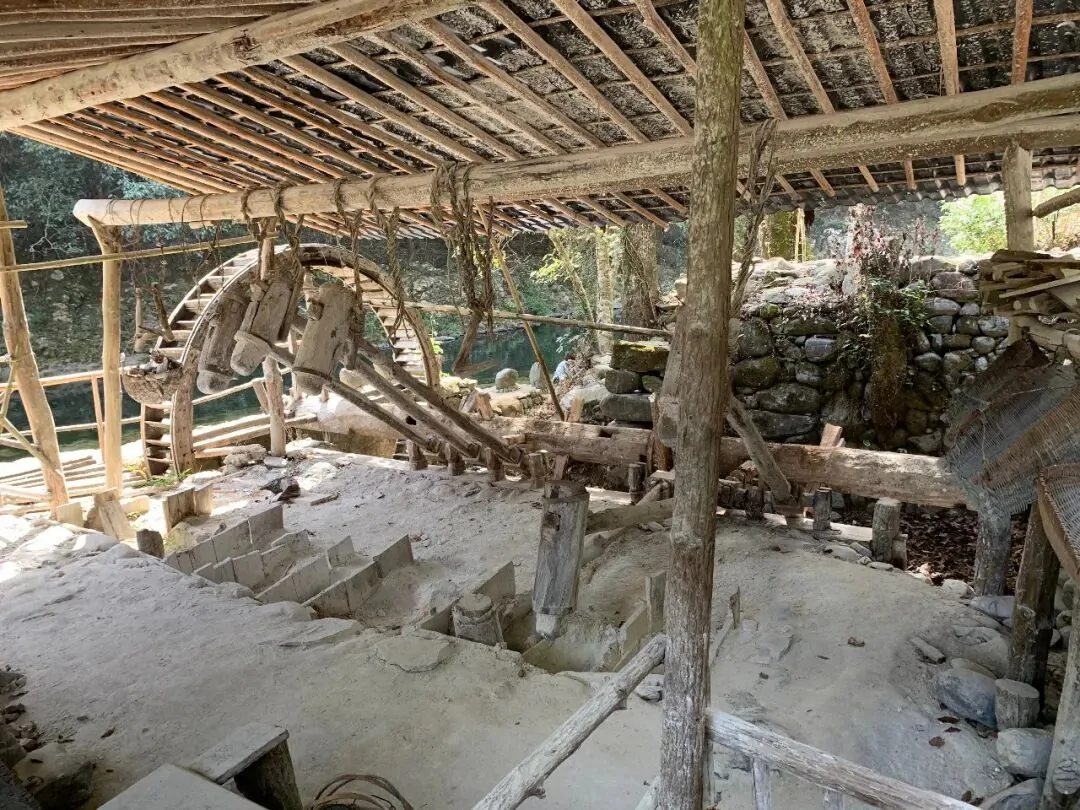
In the traditional Jingdezhen industry, crushing porcelain stone depended on water power. A channel dug into the hammer shed drew water from a mountain stream, and the fall of the water drove a wheel that lifted and dropped the trip-hammers. Piece by piece the stone dropped into the mortar and was pounded apart beneath the pestle. When the stone had been reduced to the right grain, it was shovelled into a washing tank. Kaolin, being soft, did not need this stage and went straight to washing.
4. Washing and grading the clay
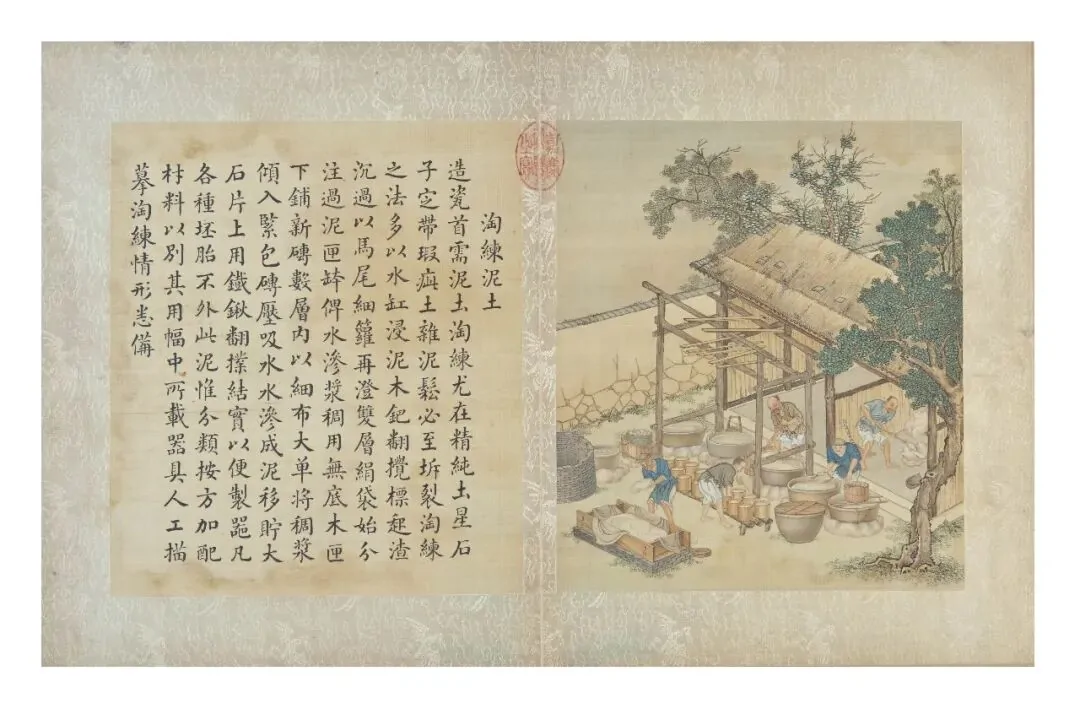
In the washing tank, particles of different sizes settled at different speeds. Coarse material such as quartz grains sank quickly to the bottom, while the fine clay remained suspended as a muddy liquid. This liquid was ladled into settling channels, where the coarser particles sank out again. The slip was finally strained u2014 through horsehair or copper-wire sieves and through silk bags u2014 to remove the impurities left in the clay and glaze materials and so improve the quality of the finished body.
5. Pressing the clay into white bricks
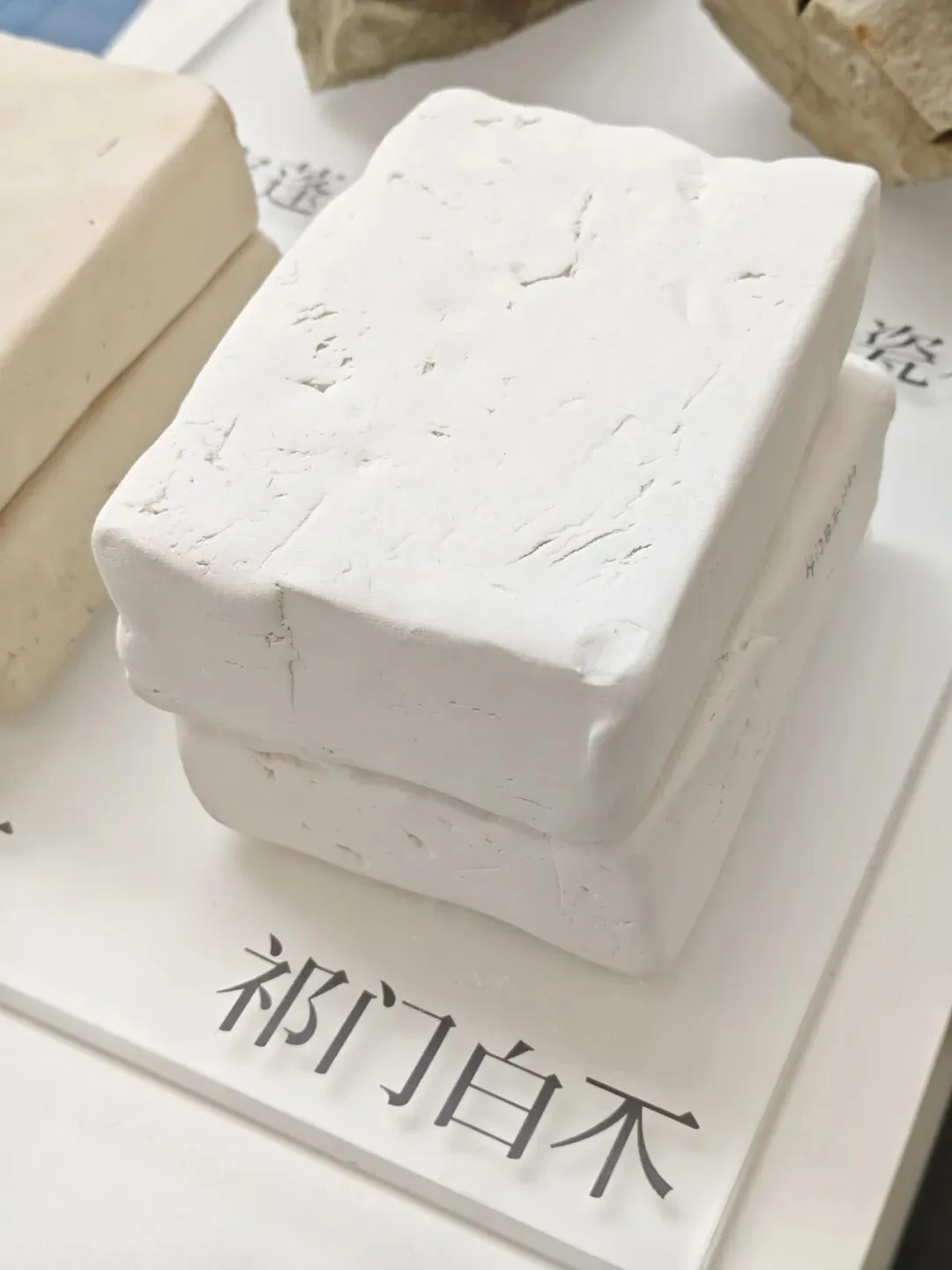
The clarified, finely washed porcelain-stone slip was left in a cool, shaded place for several days until it clotted together. The paste was then placed in a bottomless rectangular mould, wrapped tightly in fine cloth and pressed down with bricks. Once the water had drained and the clay had set, it was turned and beaten firm with flat iron shovels. The mould was lifted away, leaving a solid clay brick like a large earth brick.
This was the traditional rough processing of porcelain raw material. Jingdezhen potters called these square porcelain-stone bricks “baidun” (literally “white dun”), or simply “dunzi”.
6. Why does the raw-material stage still matter?
Mining, pounding, washing and pressing look like plain labour, but they decide the character of the finished porcelain. A body graded evenly and washed clean fires whiter and truer, and holds its form at high temperature. The two-rock recipe of porcelain stone and kaolin also explains why Jingdezhen porcelain can be both thin and strong u2014 the quality that made the town the centre of Chinese ceramics for centuries. The same continuity runs through its thousand-year history, from Song qingbai wares to studio porcelain made today.
Explore Jingdezhen craftsmanship
If you would like to see how this carefully prepared body ends up as a finished piece, explore our hand-made Jingdezhen porcelain, from blue-and-white and famille-rose wares to monochrome and contemporary studio pieces. A pair of Qianlong-style famille rose reticulated porcelain incense burners shows the fine, high-fired wall that begins with clay prepared exactly as described here.
Contact Jingdezhen Heritage
Would you like to know more about Jingdezhen’s raw materials, a particular porcelain type or a piece in our collection? Contact us with your questions or to discuss a custom commission.
Email Jingdezhen Heritage u00b7 Message us on WhatsApp
Images: Ceramics Teaching Gallery, Sun Yat-sen University.