When Jingdezhen’s handicraft porcelain heritage was inscribed on the UNESCO World Heritage List in 2026, the recognition was not for one vase or one ancient kiln. It was for a living industrial landscape: the places, resources, technologies and communities that shaped porcelain production in China and influenced ceramic traditions around the world.
The inscribed property is officially called the Jingdezhen Handicraft Porcelain Industry Sites. Its five component parts trace the development of handcrafted porcelain production from the 10th to the 19th century. Together, they tell a larger story about how a craft became an industry and how Jingdezhen porcelain travelled far beyond China.
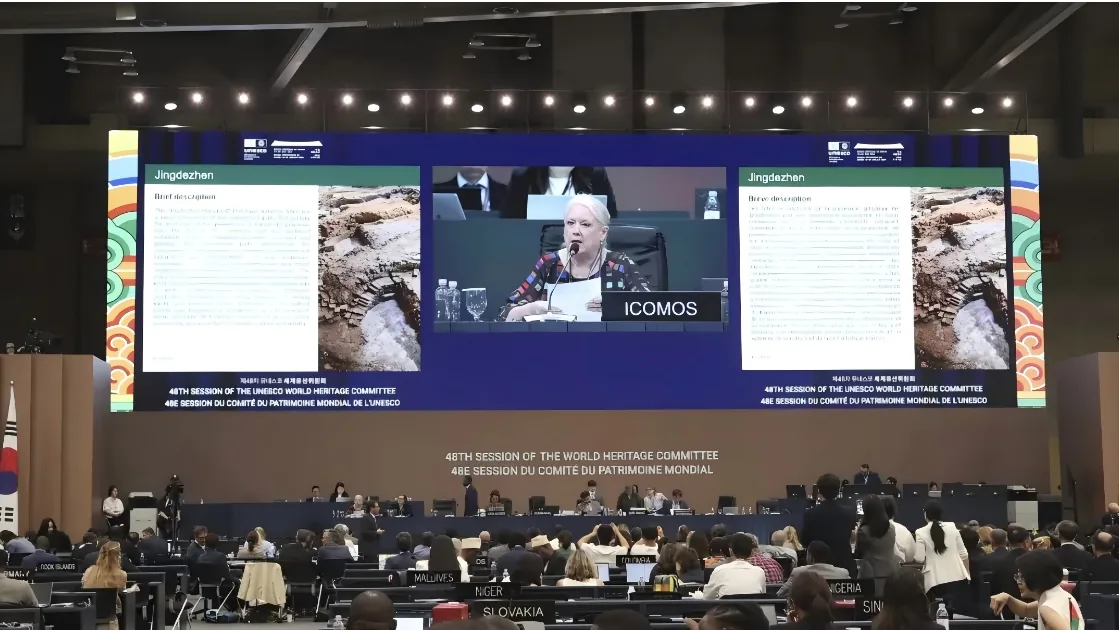
What Did UNESCO Inscribe in Jingdezhen?
The World Heritage property is a connected system, not a single monument. Its five component parts reflect different stages and settings of porcelain production, including raw-material sources, kiln sites, production areas and the infrastructure that supported the industry.
That is why the heritage is best understood through the relationships among its places. Kaolin clay and porcelain stone supplied the body of the ware. Firewood supported kiln firing. Workshops and kilns brought together specialised skills, while waterways and trade routes connected production with markets.
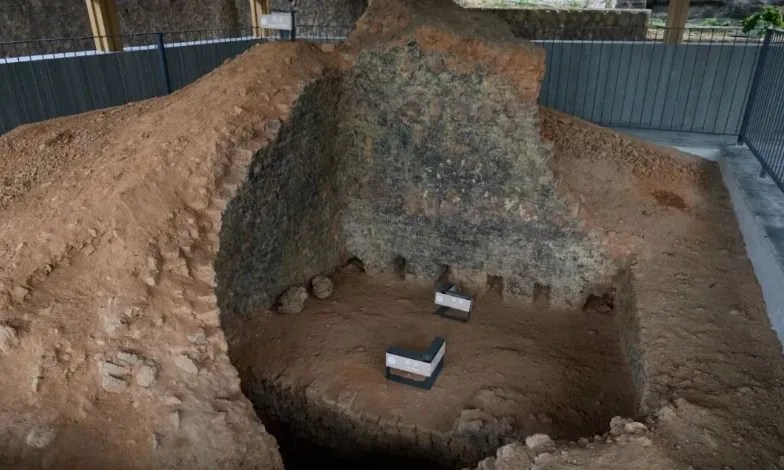
UNESCO describes the property as evidence of an evolving handicraft porcelain industry. The sites show how raw materials were obtained and transported, how kiln designs developed, and how production was organised across Jingdezhen. The heritage therefore preserves more than finished ceramics: it preserves the knowledge and organisation behind their making.
How Did Jingdezhen Become Known as China’s Porcelain Capital?
Jingdezhen’s rise grew from a combination of natural resources, transport, technical innovation and generations of skilled work. The surrounding region provided porcelain stone, kaolin and fuel. The Changjiang river system helped connect workshops and kilns with other parts of China and, eventually, overseas markets.

Over many centuries, makers in Jingdezhen refined materials and production methods. UNESCO highlights the “binary formula” that combined kaolin with porcelain stone, alongside innovations in kiln design and decoration. These developments helped the city produce porcelain of exceptional quality and build a specialised, large-scale production system.
The result was not simply a concentration of kilns. Jingdezhen developed an interconnected community of artisans, workshops, suppliers and merchants. This structure allowed technical knowledge to be shared and improved while supporting the production of many forms and styles.
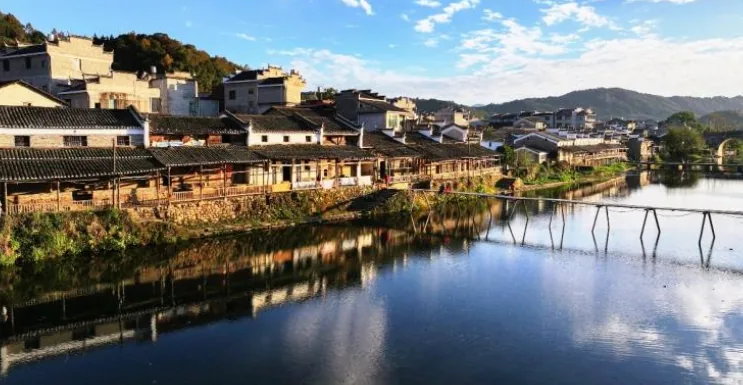
From Jingdezhen Kilns to Global Collections
Jingdezhen porcelain became part of international trade and cultural exchange. UNESCO notes that Jingdezhen was a major centre of porcelain production from the 16th century and that its wares and designs reached audiences around the world.
Blue-and-white porcelain offers a clear example of this exchange. Imported cobalt pigments became part of the technical story of Jingdezhen ceramics, while Chinese forms and decorative traditions later inspired collecting and design in Europe. Porcelain moved across oceans as a sought-after trade good, carrying visual ideas between cultures.
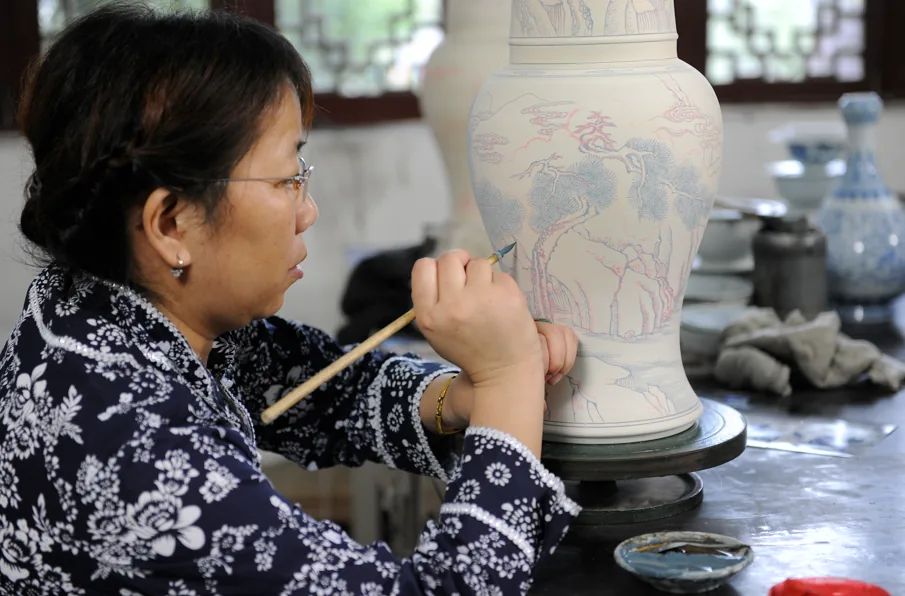
These exchanges were not one-way. Jingdezhen’s artisans adapted materials and influences into distinct forms of Chinese ceramic art. The resulting objects were admired, collected and imitated abroad, helping make porcelain one of the most recognisable expressions of Chinese craftsmanship.
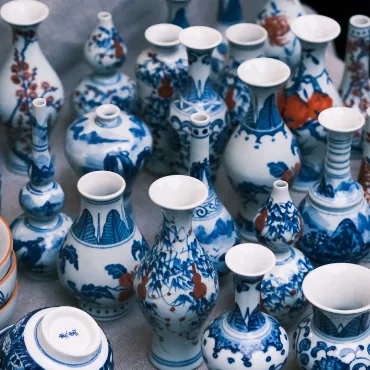
Why Is Jingdezhen’s Porcelain Heritage Still Relevant Today?
World Heritage recognition draws attention to the places and systems that made Jingdezhen’s porcelain history possible. It also highlights the continuing presence of porcelain making in the city. Traditional knowledge is not only an archive of the past; it can inform how artisans work, how designers approach materials and how audiences understand handmade objects today.
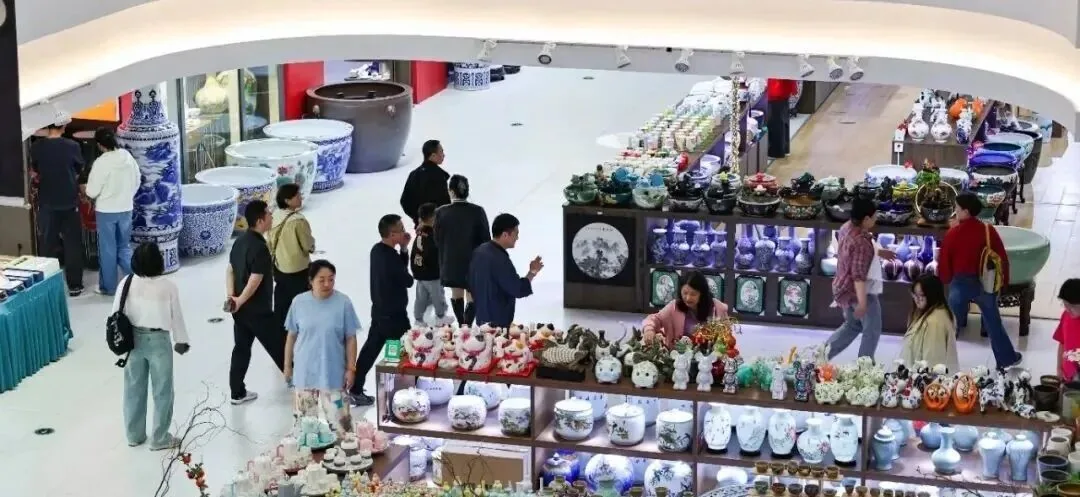
For visitors and collectors, looking closely at a piece of Jingdezhen porcelain can open a path into this wider history. A painted line, a glaze surface or a kiln-fired variation reflects choices made by people who understand clay, pigments, form and heat through practice.
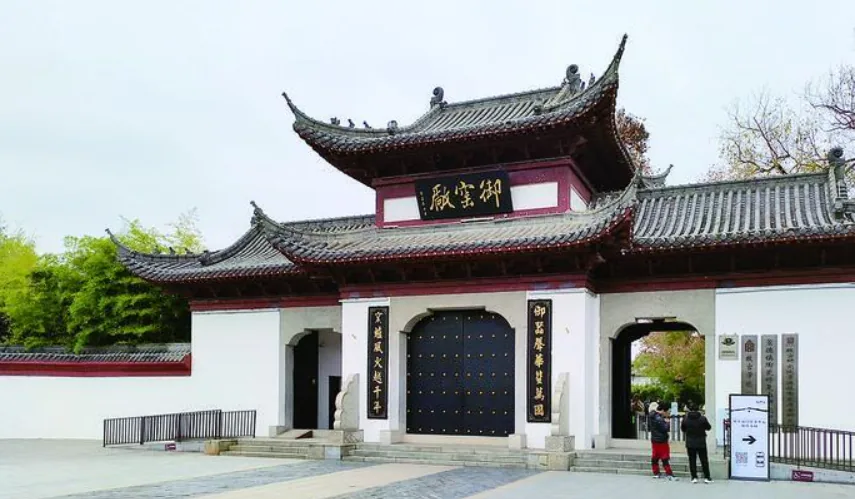
At JingdezhenHeritage, we share contemporary handcrafted porcelain inspired by historical forms and techniques. Each work is a present-day creation made in Jingdezhen; it is not itself a UNESCO-inscribed object or an authenticated antique. If you would like to know more about a piece, its making process or international shipping, contact us by email or WhatsApp.
Explore the UNESCO Heritage
Read the official UNESCO World Heritage Centre entry for the Jingdezhen Handicraft Porcelain Industry Sites for the property description and its statement of Outstanding Universal Value.